
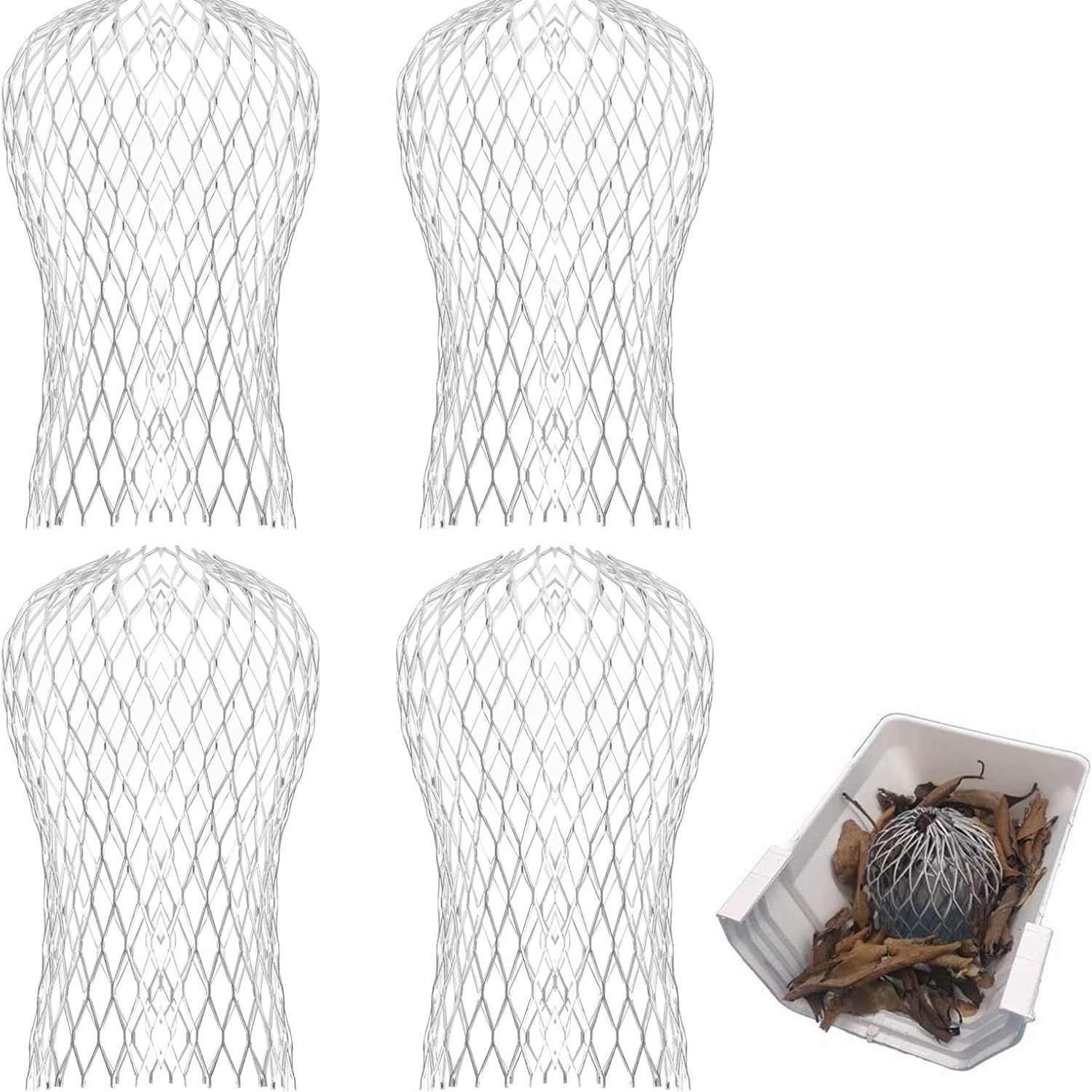

The complete guide
The Practical Guide To Downpipe Leaf Guards
The problem nobody notices until it rains hard
Gutters fail quietly. A few leaves land in the channel in October, the rain washes them along toward the outlet, and they stop at the hole because the hole is smaller than the gutter. A twig lands across them. More leaves pile up. Within a few weeks there is a plug of wet organic matter sitting right at the top of the downpipe, and it has gone from a nuisance to a dam.
What happens next is predictable. Water backs up along the gutter, finds the lowest point of the fascia, and runs down the wall. In cold weather it freezes and expands. On older houses, that repeated soaking is how render blows, how pointing crumbles and how damp creeps into a ground floor room. The repair bill for any of those is many times the cost of a set of strainers.
The frustrating part is that the whole problem lives in one spot. Not the whole length of the gutter, just the few centimetres of the outlet. That is exactly where a downpipe leaf guard goes to work.
How a downpipe strainer works
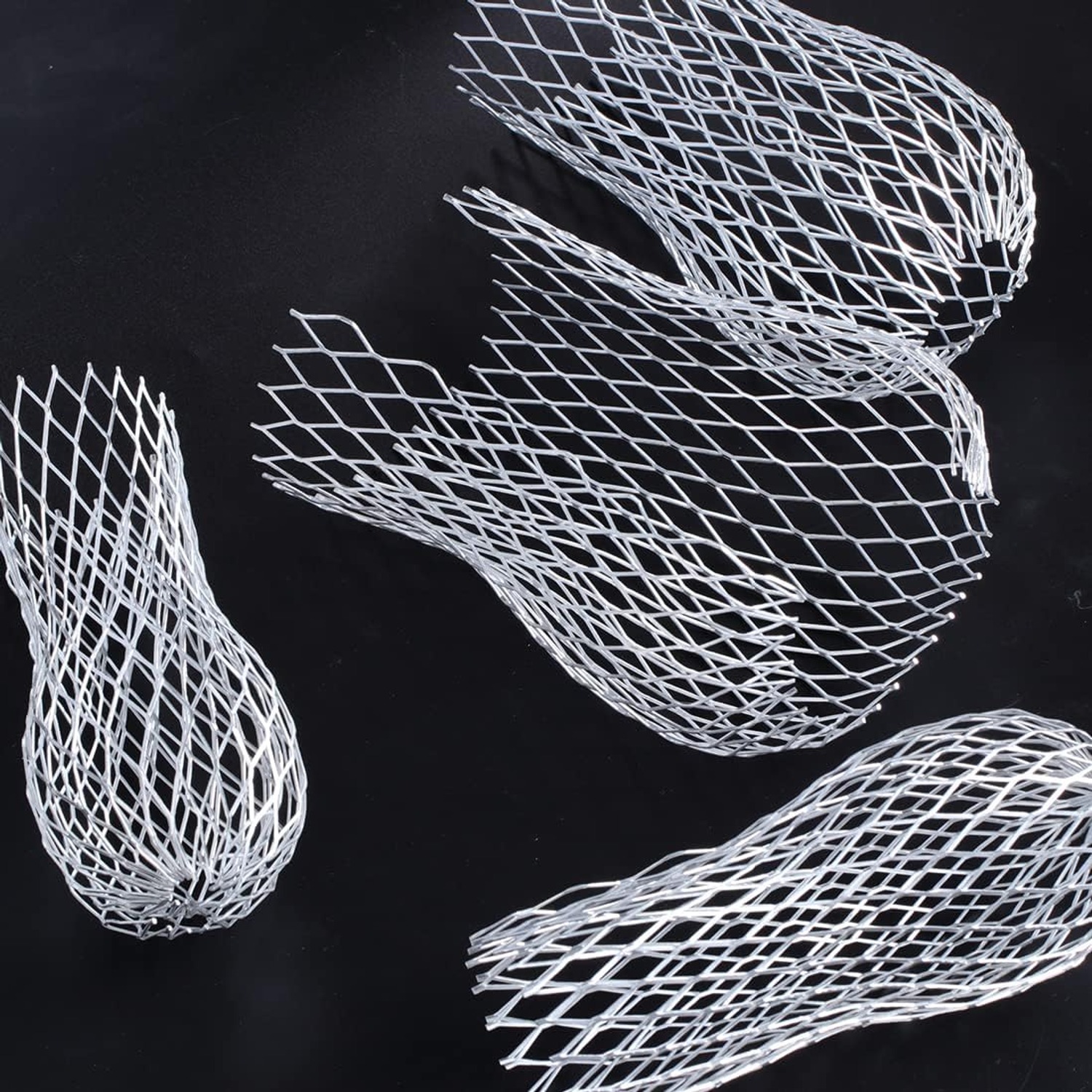
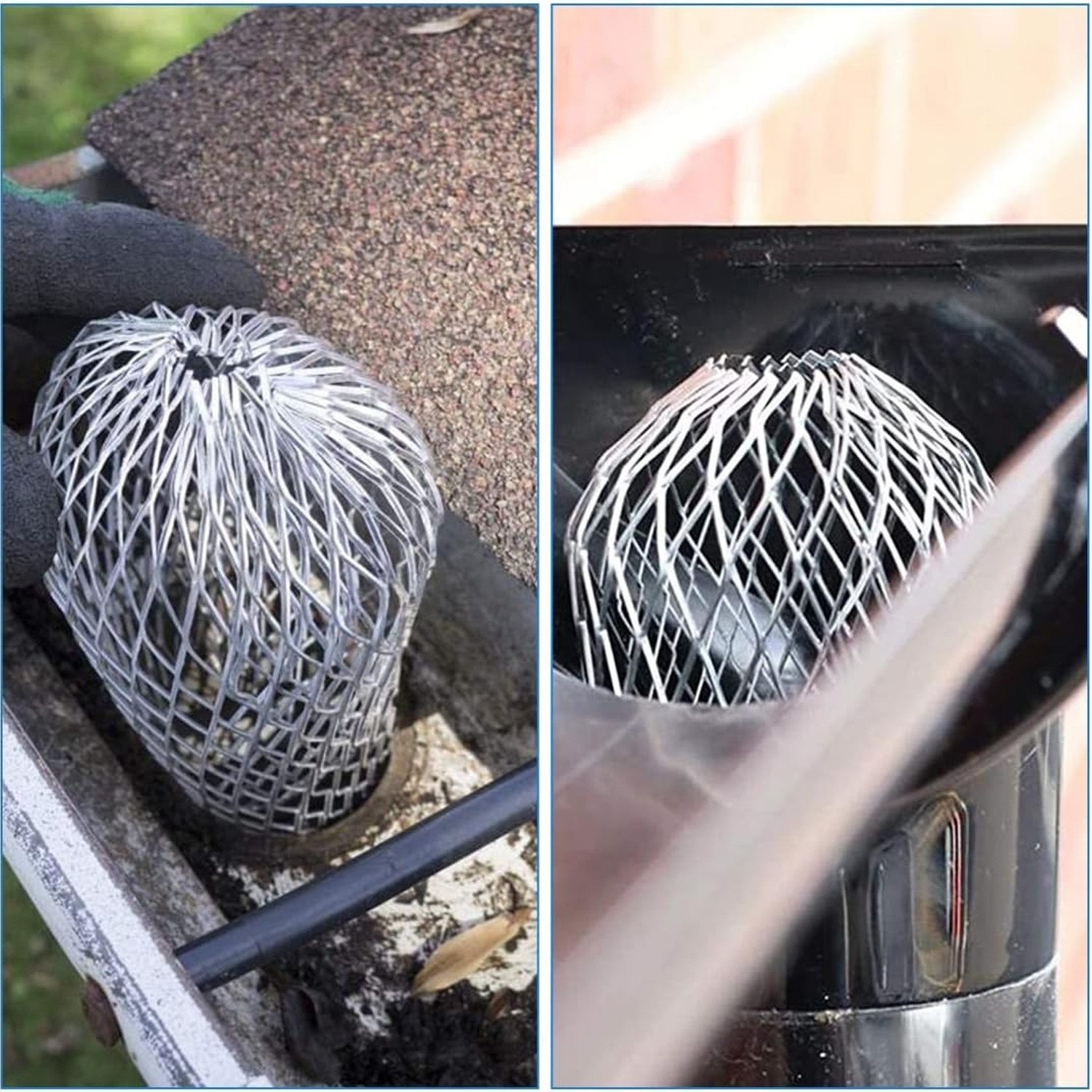
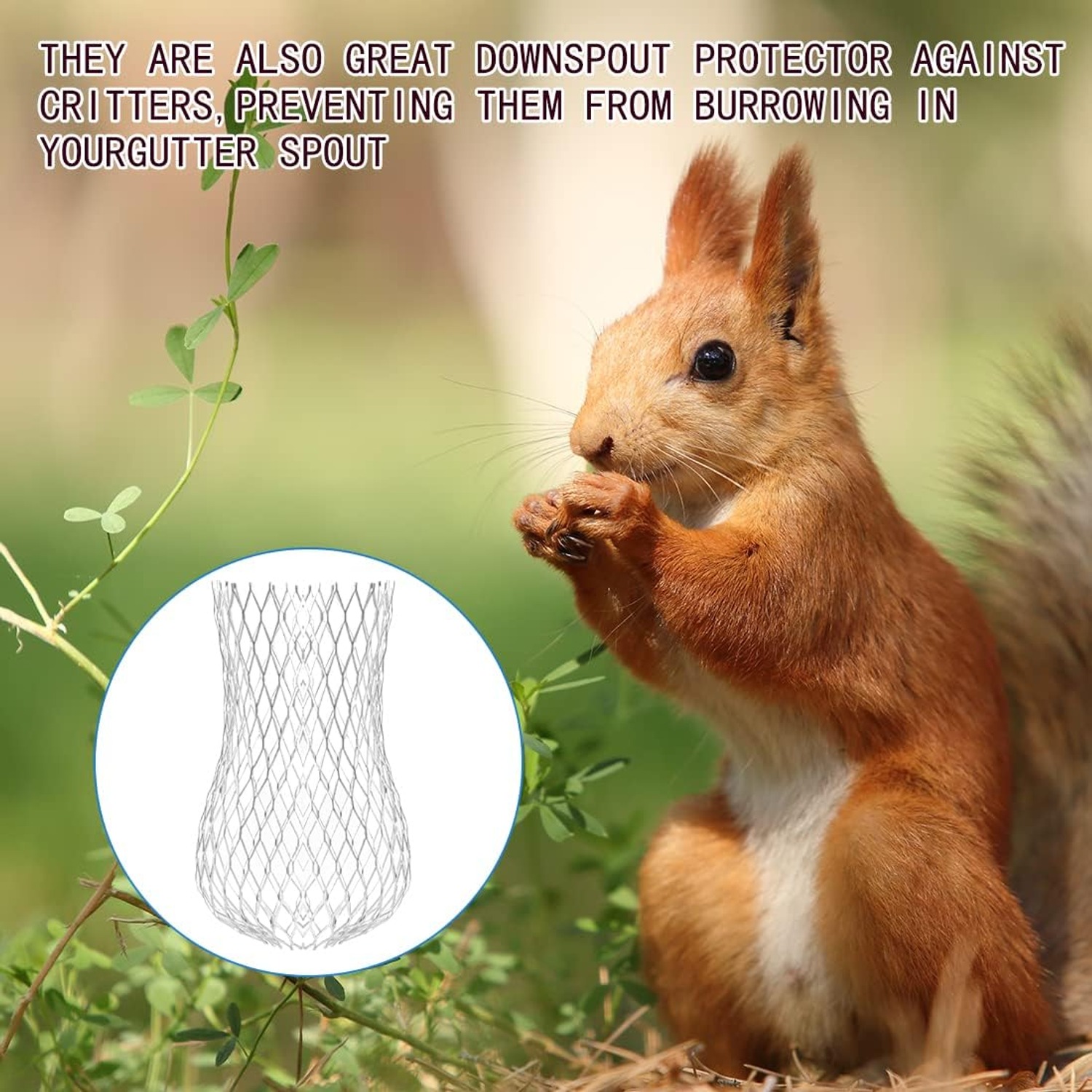
The design is simple on purpose. A cone of aluminium mesh sits in the outlet, pointed end down into the pipe, open mesh body up in the gutter channel. Rainwater flows along the gutter as normal, reaches the cone and passes through the holes. Leaves, moss, seed heads and grit cannot fit through, so they collect on the outside of the mesh.
That difference matters more than it sounds. Debris stuck in a vertical downpipe is invisible and awkward to reach. Debris sitting on a strainer is in plain sight. Next time you glance up from the garden after a storm, you can see whether anything has gathered. Clearing it means lifting the cone out, tipping it, and dropping it back in.
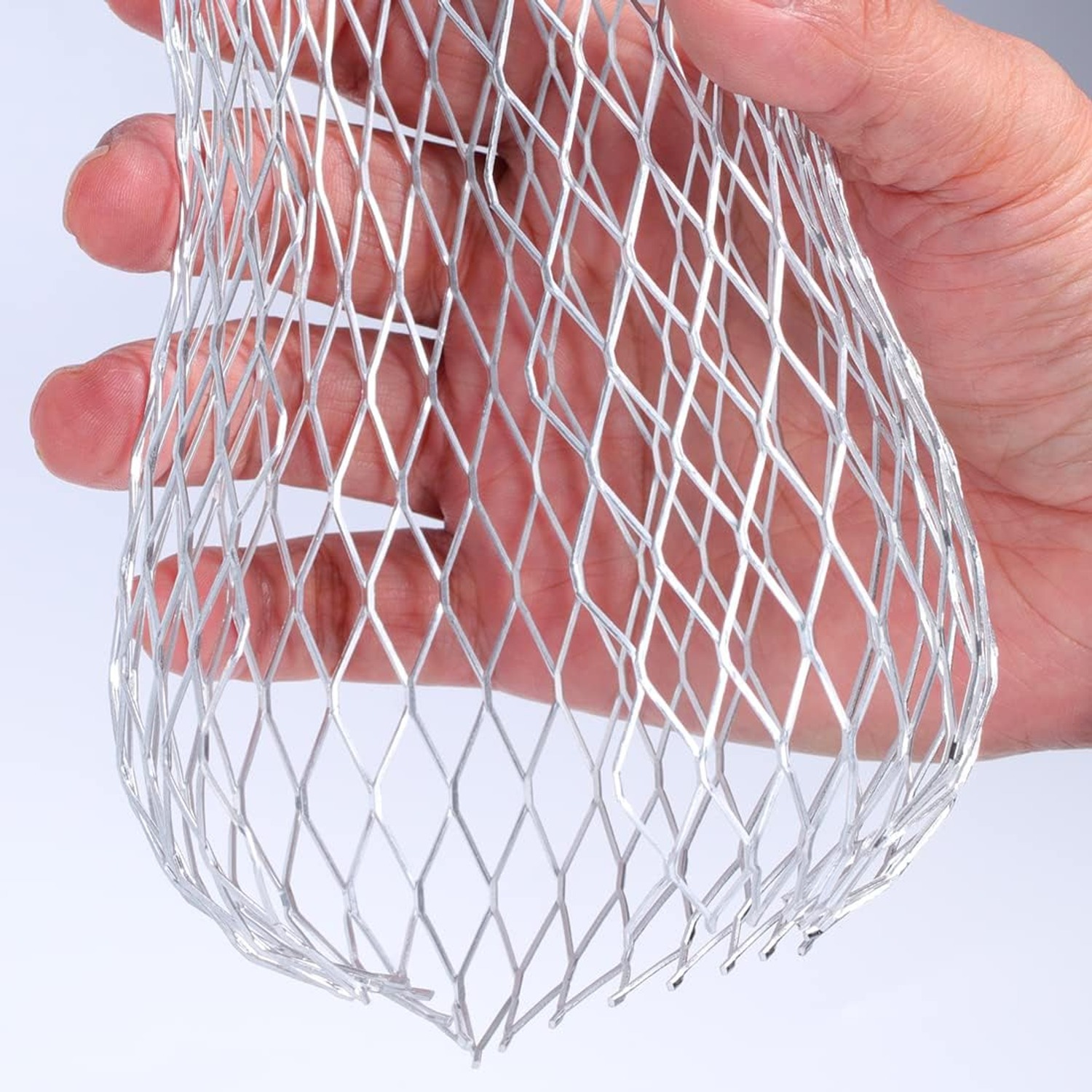
Because this set is made from aluminium, the mesh takes the weather in its stride. It will not rust like steel and it will not go brittle and crack the way old plastic inserts do after a few summers of sun. Each strainer is light, which makes handling easy when you are balanced on a ladder with one hand on the gutter.
Who this suits
If you have trees anywhere near your roof, you are the main audience. Oak, birch, sycamore and lime are all repeat offenders. So are conifers, which shed needles steadily all year rather than in one dramatic autumn dump.
It also suits people with roof moss. Moss breaks away in small clumps during frost and heavy rain, washes into the gutter, and behaves exactly like leaf litter once it reaches the outlet. A mesh strainer catches it.
Then there are the awkward houses. Three-storey terraces, properties with gutters over a conservatory roof, homes where getting a ladder to the back is a genuine project. If climbing up is a hassle, anything that cuts the number of trips is worth having. A strainer does not remove the need to check your gutters, but it does change the job from unblocking a packed pipe to lifting out a handful of leaves.
Finally, anyone collecting rainwater. If you run a water butt off a downpipe, the cleaner the water going in, the less sludge you deal with at the bottom of the barrel. A gutter downpipe filter at the top of the system is the easiest place to improve that.
Choosing the right guard
There are three main approaches to gutter protection and it helps to know which one you actually need.
Full-length gutter covers run along the whole channel. They are effective and they are also the most expensive and most involved option, usually needing proper fitting along every metre of gutter. If you are reroofing anyway, it may be worth it.
Downpipe balloons are the traditional cheap fix, a wire sphere pushed into the outlet. They work until they fill with leaves, at which point the leaves sit on top and the water backs up just the same. The ball shape gives you a smaller usable surface than a cone.
Mesh strainers like this one split the difference. You are protecting the single point that causes almost all blockages, at a fraction of the cost and effort of a full cover, with more open area than a balloon. For most houses, this is the sensible middle ground and the best gutter outlet strainer answer for the money.
When you are choosing, check three things. First, the material, because metal outlasts plastic outdoors. Second, whether the size adjusts, since outlet holes vary a lot between old and new guttering. Third, how many you get, because a typical house has more outlets than people expect once you count the garage and the back extension.
Fitting them without drama
Pick a dry day. Wet gutters are slippery and wet leaves are heavy. Set the ladder on firm, level ground and tie it off or have someone foot it.
Clear the gutter first. There is no point fitting a strainer on top of a channel that is already half full of silt, because the first rain will just wash that silt straight onto the new mesh. Scoop out what is there, then flush the gutter with a hose and watch the water run down the pipe to confirm it is clear.
Now shape the cone. Squeeze or open it with your hands until the widest part is a touch narrower than the outlet hole. Wear gloves, because the cut edges of the mesh can nip. Press the cone down into the hole until it grips the sides. Give it a gentle tug to check it is seated.
Repeat on the other outlets, and keep any spares in the shed. Four strainers cover most houses, though a sprawling bungalow with several runs may need a second pack.
Keeping them working
Maintenance is the easy part, but it is not optional. A strainer that is never cleaned becomes a lid, and a lid is worse than no strainer at all.
Set a rhythm that matches your trees. Under heavy leaf cover, check monthly from the first leaf fall until the branches are bare. On an open site, twice a year is plenty, once in late autumn and once in spring after the seed drop.
Cleaning is quick. Lift the cone out, knock the debris into a bucket rather than the gutter, rinse with a hose if it is caked, and refit. If the mesh has been squashed by a heavy branch, reshape it by hand and push it back. Give it a visual check for splits while you have it in your hands.
One tip worth passing on: do your clean after a dry spell, not during a downpour. Dry leaves lift off the mesh in one handful. Wet ones have to be scraped.
The short version
Blocked downpipes cause damp walls, frozen gutters and expensive repairs, and they nearly always start at the outlet hole. A mesh strainer in that hole catches the leaves and lets the water through, which fixes the problem at its source.
This pack gives you four aluminium strainers that bend to fit a range of outlet sizes, need no tools, and lift straight out for cleaning. At 90 g for the set they are light to handle and they will not rust. Clear your gutters, shape the cones, push them in, and plan on a quick check each autumn.
It is a small job with a disproportionate payoff, and it is one of the few bits of home maintenance you can finish in an afternoon and feel genuinely smug about.