
The complete guide
The Hand Drain Spiral Buying Guide, How to Clear a Slow Drain Without a Plumber
The problem nobody deals with until it is too late
Slow drains do not announce themselves. The shower holds a puddle around your ankles for a few seconds longer than it used to. The bathroom basin takes a while to empty after you brush your teeth. You notice it, you shrug, and six weeks later the water is not going anywhere at all and there is a smell coming up from the plughole.
What is sitting down there is rarely exotic. In a bathroom it is hair, lots of it, matted together by soap scum and the greasy residue from shampoo and conditioner. That mat catches more hair, which catches more soap, and the whole thing slowly chokes the pipe from the inside. It usually sits somewhere between the plughole and the first proper bend, or in the trap itself, which is exactly where water pressure from a plunger has the least effect.
That is the gap a hand drain spiral fills. Rather than pushing at the clog from a distance, it goes down and meets it.
How a hand drain spiral actually works
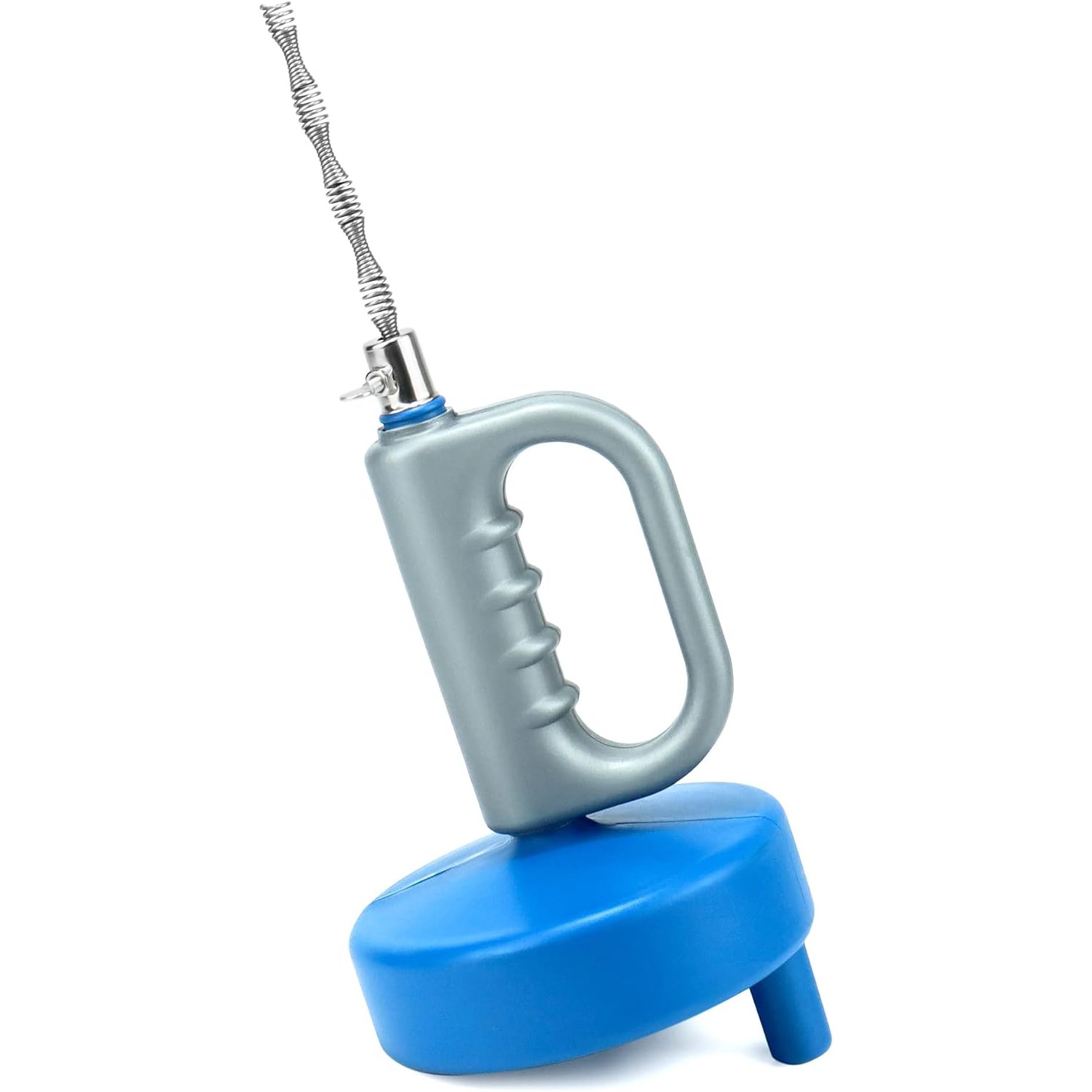
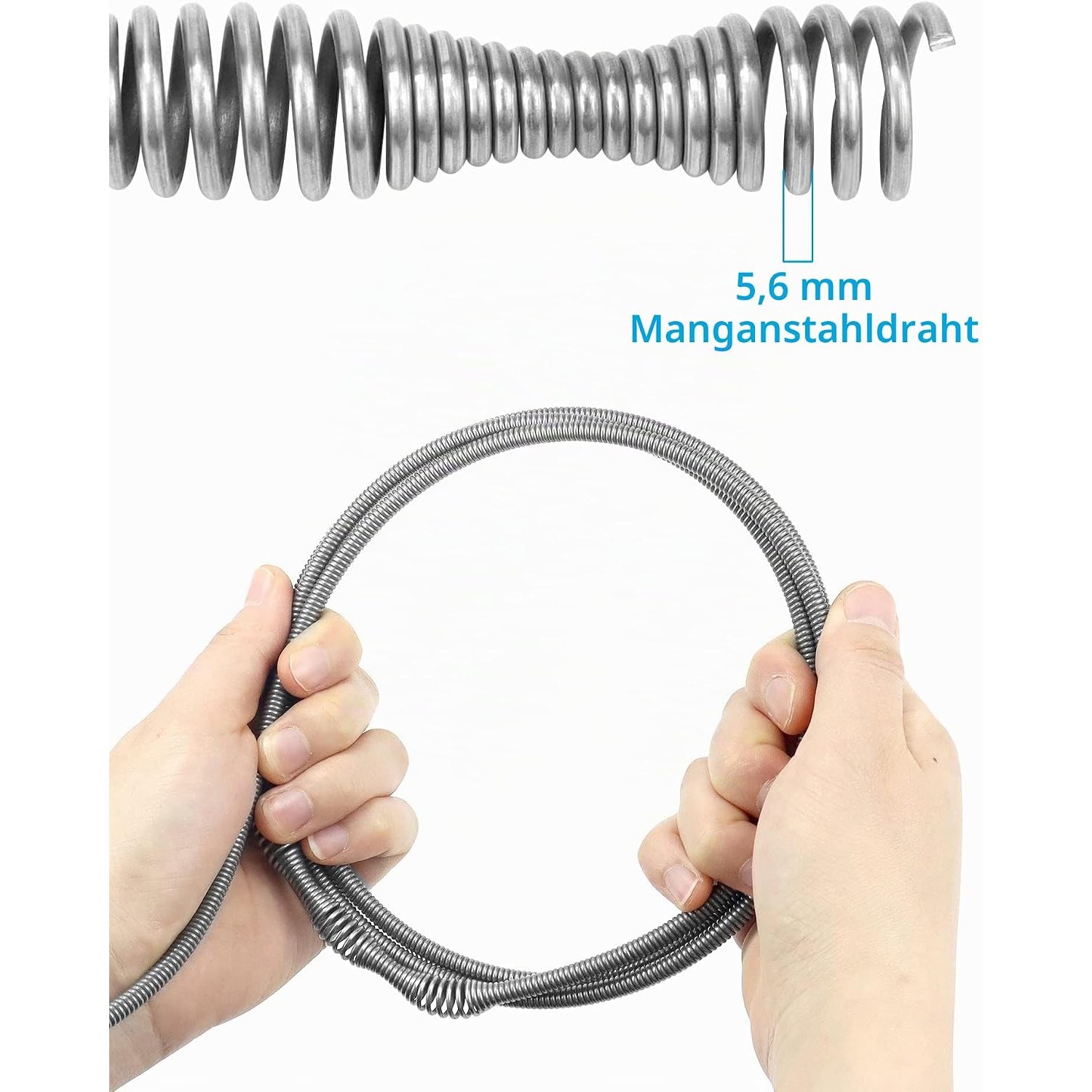
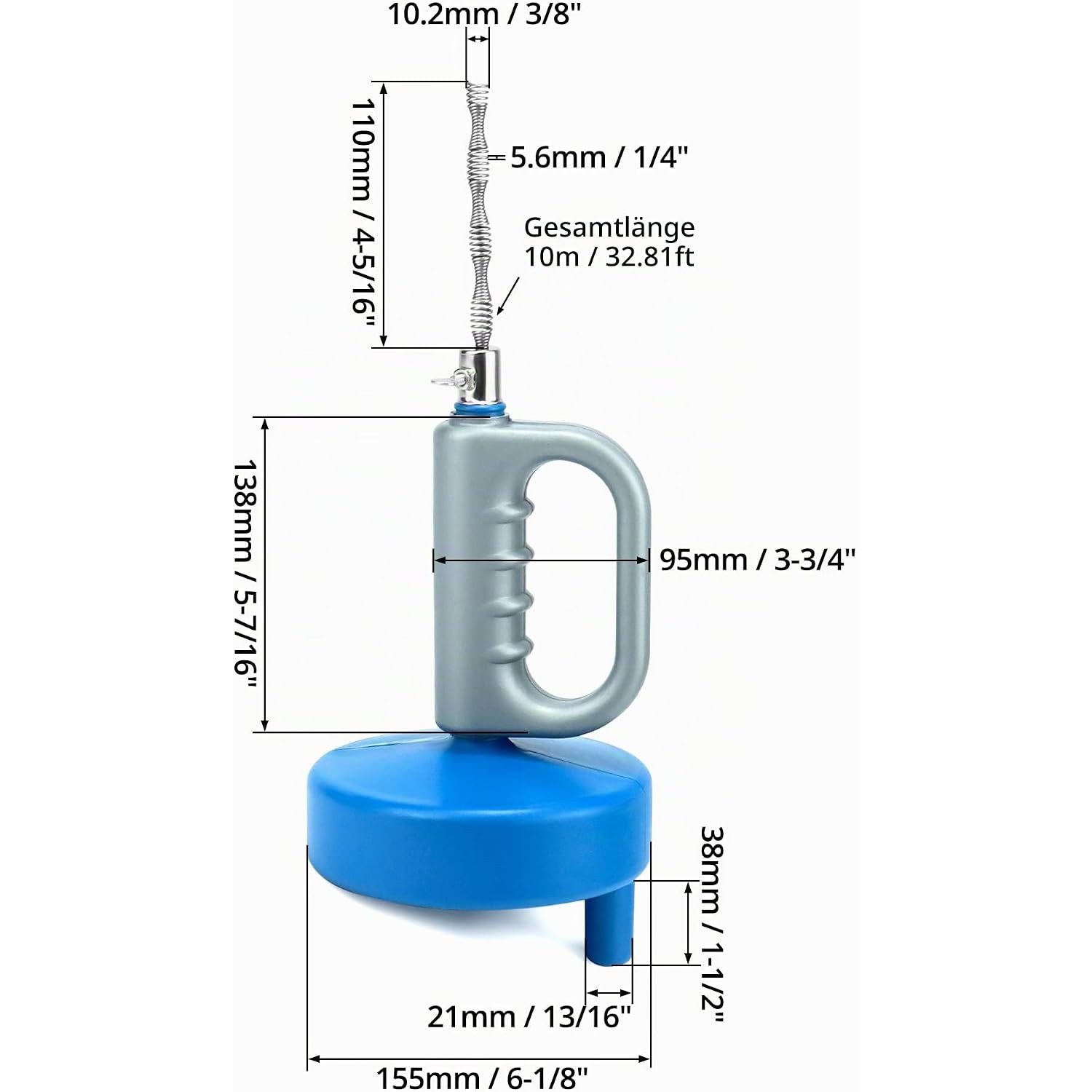
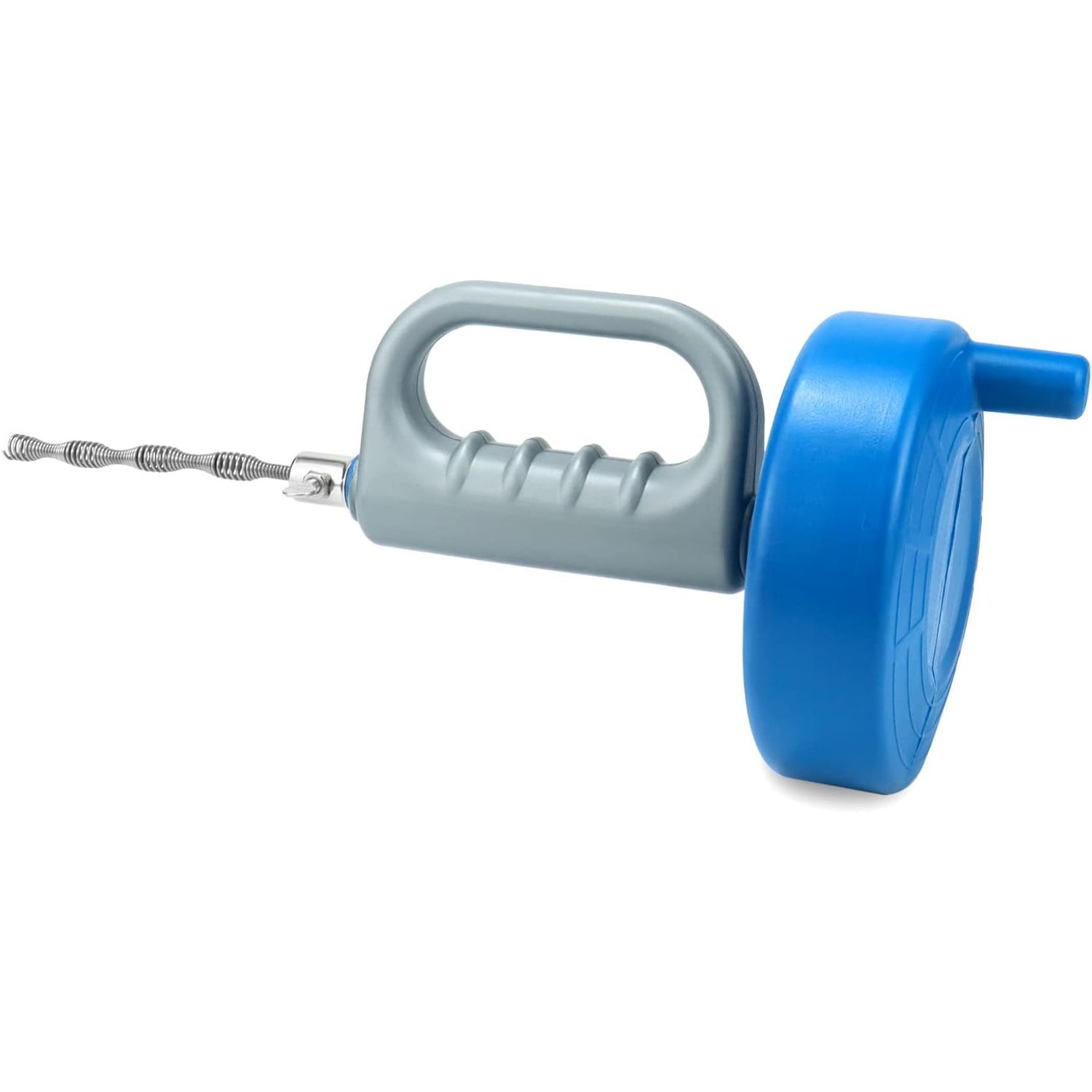
The tool is simple, which is part of the appeal. A long flexible cable of spring steel lives coiled inside a drum housing. On this model the cable runs to 10 metres, the spiral itself measures around 5.6mm across, and the tip at the business end is around 10.2mm.
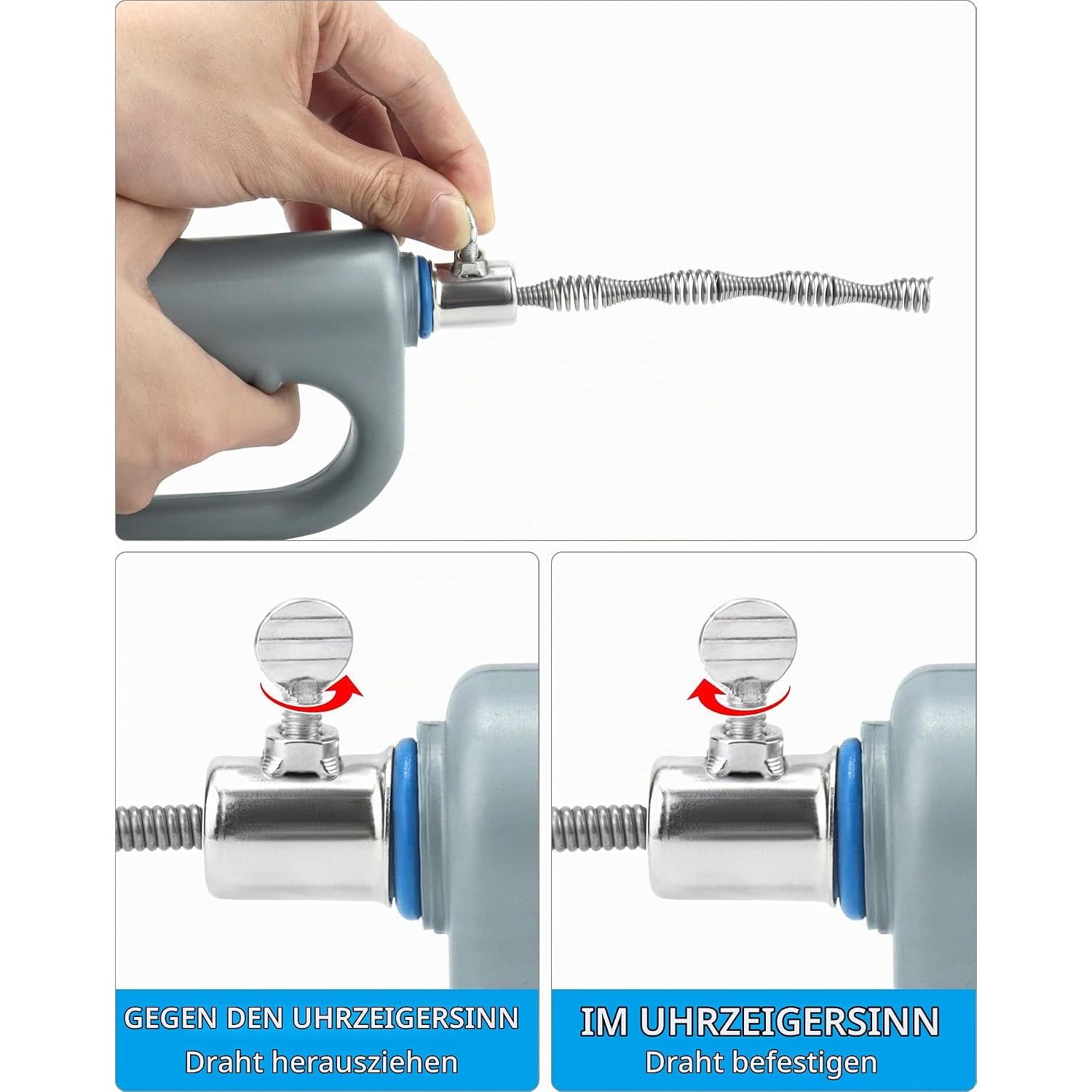
There are only two controls, the lock screw and the handle. You loosen the screw, pull out a short length of cable, push that length into the drain, then tighten the screw again. Now the cable is clamped to the drum, so when you turn the handle the entire length rotates as one piece. That rotation is what matters. A cable that just slides in and out does very little, but a cable that spins will chew into a hair plug, wrap it up, and either break it apart or let you drag it out when you retract.
Working in short sections keeps things under control. Feed a bit, lock, turn, feel what is happening, then release more. You will know when you find the blockage because the handle suddenly gets stiff. At that point you keep steady pressure and keep turning. You do not lean into it with your body weight.
That feedback through the handle is one quiet advantage a manual tool has over a motorised one. A machine will happily keep spinning into something it should not. Your hand tells you the difference between soft resistance that will give way and hard resistance that will not.
Why 10 metres is a useful length
Short snakes, the half-metre plastic strips sold in supermarkets, only handle hair sitting right at the top of the drain. They are genuinely useful for that, but they stop at the first bend.
Ten metres changes what you can attempt. A sink trap sits within a metre of the plughole. Many clogs sit just past it, in the horizontal run heading for the stack, or at the joint where that run turns. With 10 metres you can pass the trap, clear what you find, and then keep feeding to confirm the rest of the branch line is open. That last step is worth doing. A drain that clears and then slows again a fortnight later usually had a second deposit further along that nobody checked.
The slim 5.6mm spiral is the right match for this length. Thin enough to follow the curves of a bathroom waste line, stiff enough to carry your twist to the far end rather than winding up like a spring.
Who this suits, and who it does not
This is a household tool. It is a strong fit if you rent or own a home with bathrooms, you have long hair in the house, or you simply do not want to pay for a call-out every time the shower backs up. It is also a sensible thing to own before you need it, because the best sink unblocker tool is the one already in the cupboard at ten at night.
It is not the right tool for everything. Keep it away from toilets, which have a different shape and need a closet auger with a protective sleeve. It will not deal with heavy congealed fat in a long-neglected kitchen line, and it is not meant for tree roots, solid foreign objects, hardened cement-like residue, or large outdoor drainage systems. Those are jobs for a powered machine or a plumber, and pushing a hand cable at them only risks kinking the cable.
Knowing the boundary is not a weakness of the tool. It is how you get years of use out of it.
How to choose between drain tools
If you are weighing options, think about where your blockages actually happen.
For hair right at the shower grate, a cheap plastic barbed strip will do and costs very little. For a basin or bath that is slow but still moving, a hand spiral like this one is the right level of tool. For a kitchen line full of hardened fat, or an outdoor gully, you are looking at a powered drain machine or professional help.
A few things worth checking on any manual spiral before you buy. Cable length tells you how far you can reach, cable diameter tells you which pipes it suits, and the handle and lock design tells you how much control you get. A drum housing with a proper locking screw is considerably easier to work with than a bare coil of cable with a loop on the end, which is why the best drum style drain snake designs all use one.
Using it well, step by step
Clear the area first. Lay an old towel down, have a bucket, a bin bag and a pair of gloves ready. Lift or unscrew the shower grate, or remove the sink trap if you want a straighter run into the wall pipe.
Feed the tip in by hand until it meets the first bend. Loosen the lock screw, let out another 30 to 50cm, tighten the screw, and turn the handle clockwise while pushing gently. The cable will walk around the bend. Repeat.
When you hit the clog, slow down. Even pressure, steady rotation, no hammering. Most hair plugs give way within a minute or two. Once the cable moves freely again, push on another metre to check, then withdraw slowly while wiping the cable with a rag as it comes out. Expect to pull a fair amount of hair back with it, which is a good sign.
Finish by running hot water for a couple of minutes to flush the loosened material down the line.
Care and storage
The whole care routine is short. Rinse the cable with clean water, dry it along its length, wind it back into the drum. Steel that goes back wet into a closed housing will rust, and rust eventually makes the cable stiff and brittle.
Store the tool indoors somewhere dry. Before each job, run your hand along the first few metres of cable and look for kinks or flattened coils. A kinked cable is more likely to snag, so straighten gently or retire that section rather than forcing it. The packed unit is 44.7 x 17.4 x 16.8cm and weighs 1.25kg, so it tucks onto a shelf without taking up much room.
The short version
A slow drain is almost always soft organic build-up sitting past the point a plunger can reach. This 10 metre hand spiral is a straightforward mechanical answer to that. The lock screw holds your working length, the handle turns the whole cable, and the 10.2mm tip breaks up or hooks the clog so you can pull it out.
No power, no cord, no battery, and nothing to maintain beyond rinsing and drying it. Use it within its range, which is hair and soap in sinks, basins, baths and showers, and leave toilets, roots and hardened fat to heavier equipment. Do that, and it is a tool you will reach for every year or two for a long time.