
The complete guide
The Honest Buyer's Guide to Shower and Sink Drain Strainers
The problem nobody notices until it is too late
A blocked drain is one of those household problems that gives you plenty of warning and still manages to be a surprise. The water takes a second longer to go down. Then it pools a little around your feet near the end of a shower. Then one morning you are standing in four centimetres of grey water, wondering when that happened.
It happened gradually. Every time you wash your hair, you lose strands. They slide into the drain, hook onto the inside of the pipe, and start collecting soap, conditioner and skin cells. Hair is the frame, and everything else sticks to it. After a few months there is a dense plug sitting in the trap, and no amount of hot water is shifting it.
The annoying part is how avoidable it all is. Hair cannot block a pipe it never enters. A thin piece of perforated metal sitting over the plughole stops roughly all of it, for the price of a takeaway coffee or two. That is the entire idea behind a stainless steel hair strainer.
How a drain strainer works
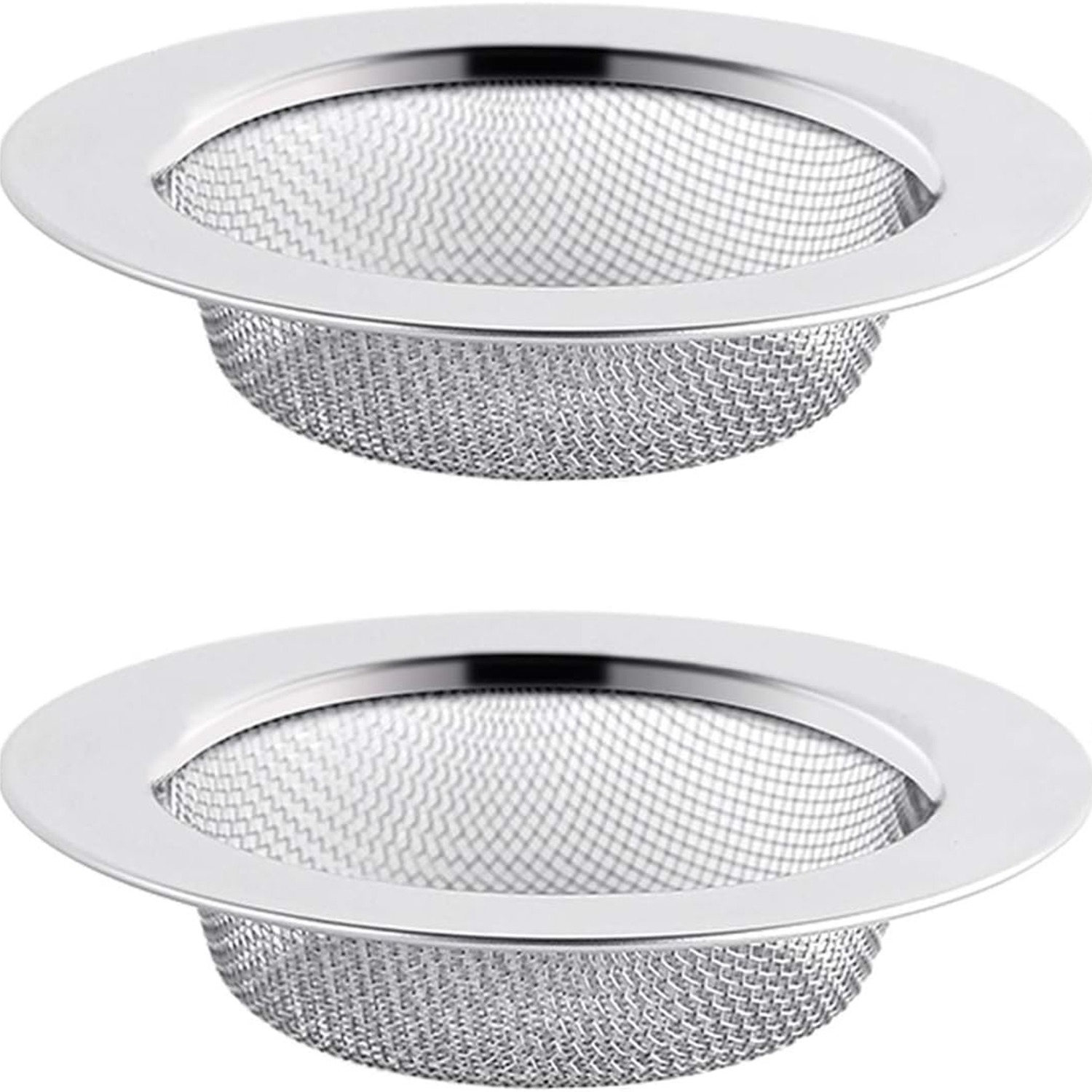
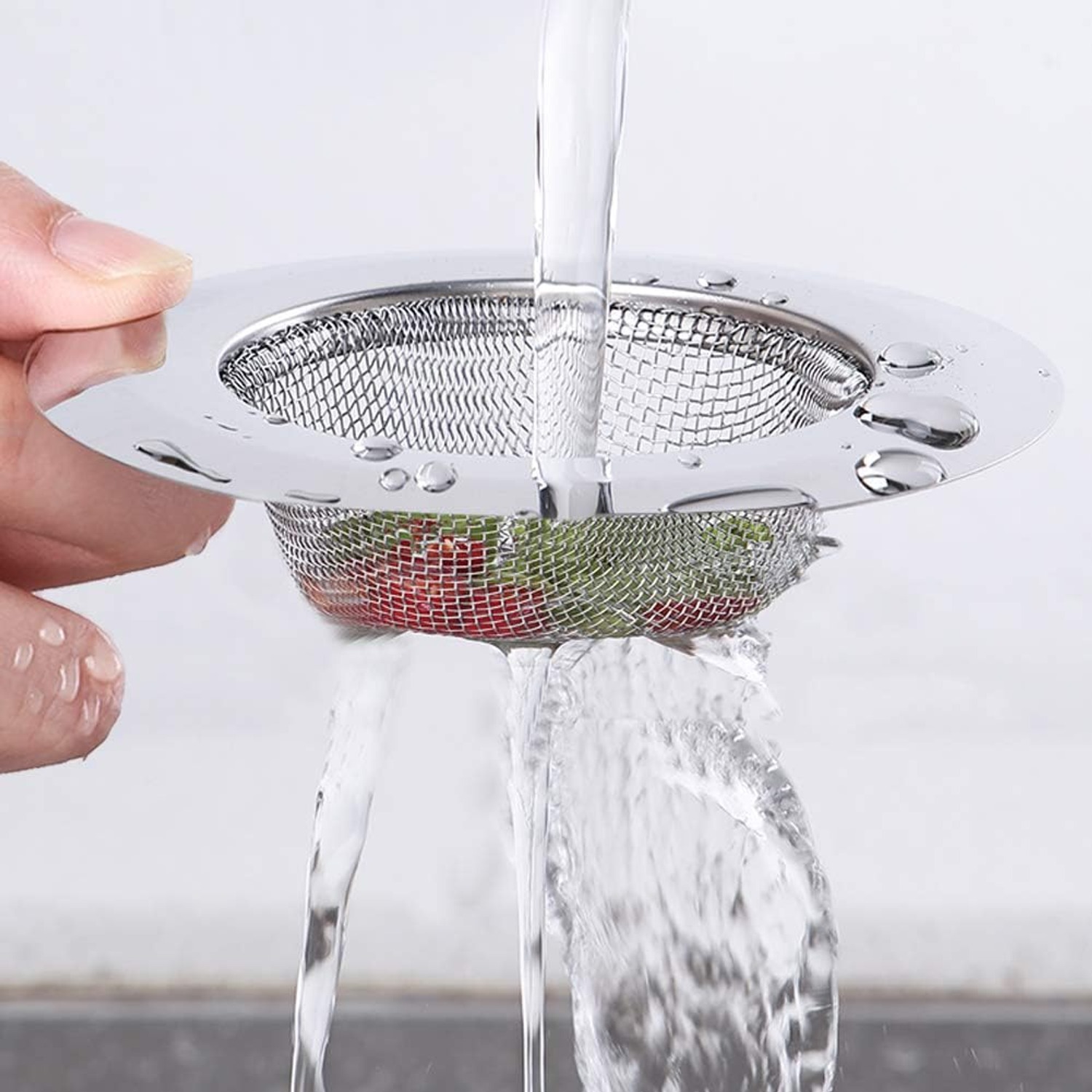
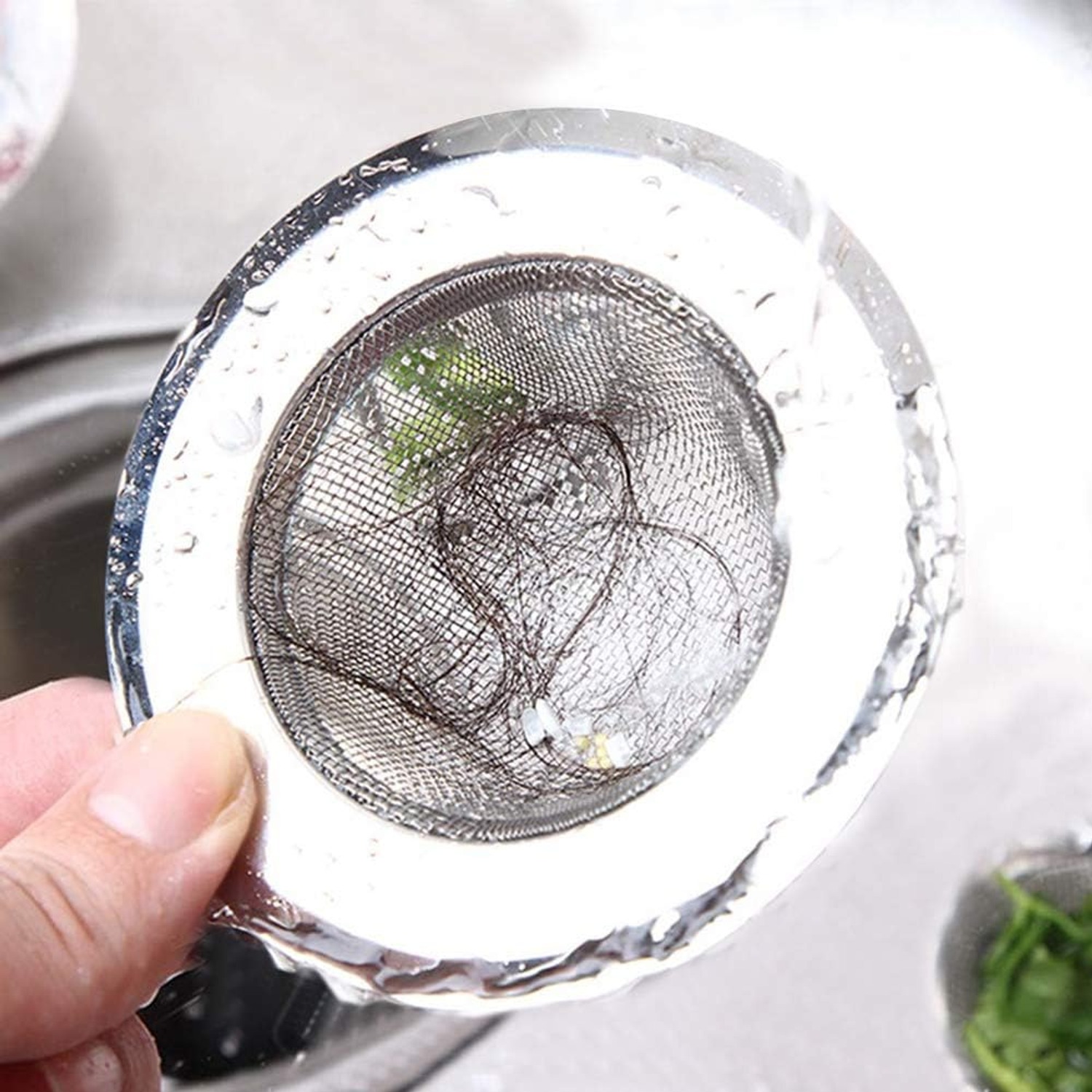
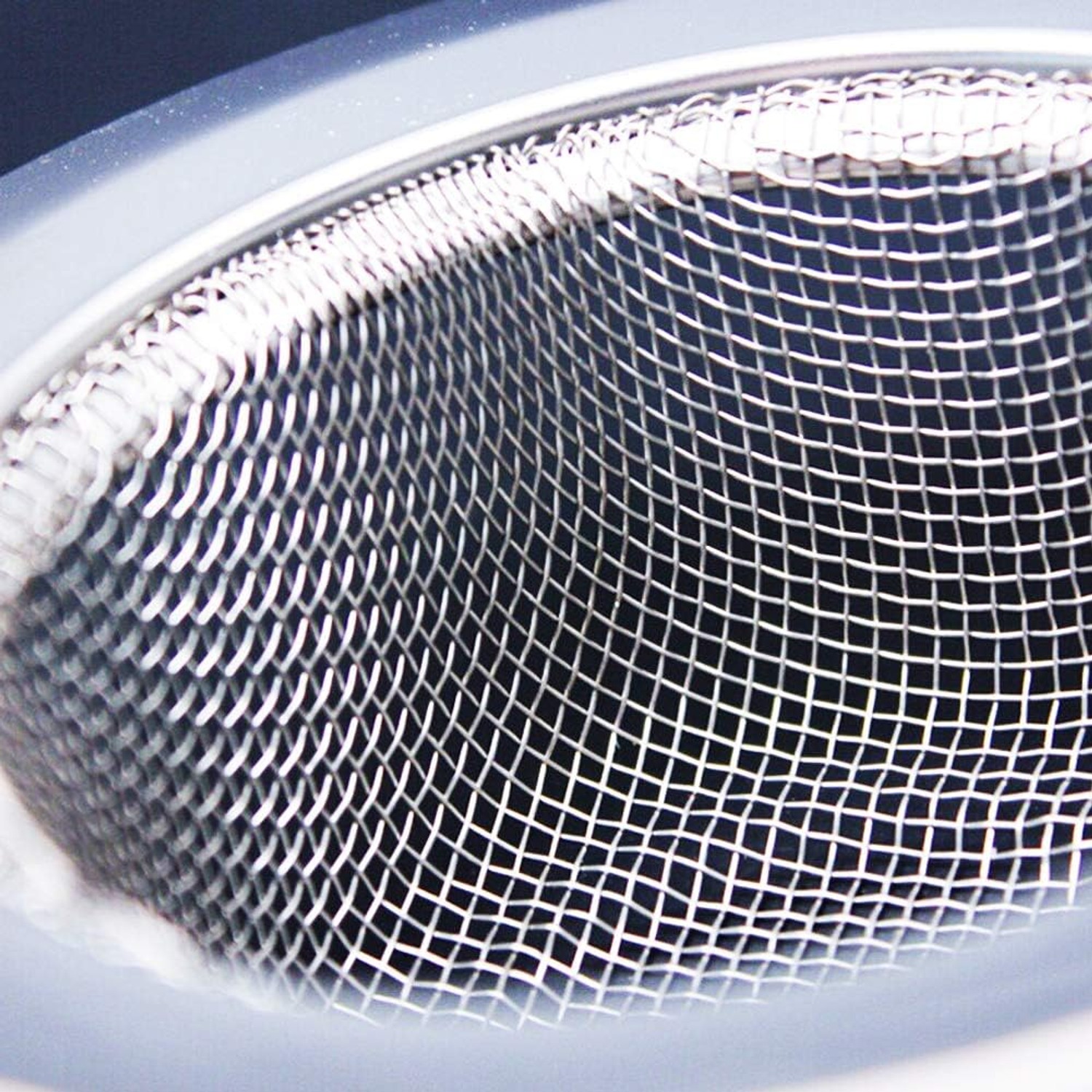
There is not much mystery to it. The strainer is a shallow disc of stainless steel with small holes punched across the base and sides. It sits over or inside your drain opening. Water passes through the holes. Hair, food scraps, lint and anything else solid stays on top, where you can see it and lift it out.
The engineering question is hole size, and it is the only thing that separates a good strainer from a frustrating one. Make the holes too large and long hair threads straight through, which means you have bought a decorative metal disc. Make them too small and the strainer becomes a dam, with water sitting in your shower tray while soap scum clogs the perforations.
This model is built around that balance. The holes are small enough to catch waste particles but open enough that water still drains quickly. In practice that means you should not notice much change in drainage speed, as long as you empty the strainer regularly. When people complain that a strainer slows the water, nine times out of ten it is because the strainer is full.
Why stainless steel instead of plastic or silicone
Plastic and silicone drain catchers are cheap, and that is their main argument. They also tend to discolour, go slightly sticky with soap residue, and distort if they sit under hot water every day. Some of them float. A few hold onto odour in a way that is hard to wash out.
Stainless steel behaves differently. It holds its shape, it does not soften with heat, and it can be scrubbed hard or sent through a dishwasher without consequence. A rustproof drain sieve in stainless steel also looks like part of the bathroom rather than an afterthought stuck in the floor. In a tiled shower or next to a steel sink, a brushed silver disc simply blends in.
Weight matters too. A metal strainer tends to stay seated under running water, where a lightweight plastic one can shift or lift. That makes a small practical difference every day.
Who this suits
Anyone with long hair in the house will feel the benefit within a week. Long strands are what cause the worst clogs, so a drain catcher is arguably the single highest value thing you can put in a shower. Households with two or three long-haired people will fill the strainer quickly, which sounds like a drawback until you realise that is exactly the amount of hair that used to go into your pipe.
Pet owners are the second obvious group. Washing a dog produces a startling volume of loose coat, and a strainer takes the stress out of it. If you wash pets in the bath regularly, look for the best drain sieve for pet hair you can find and keep a brush nearby, because you will be clearing it mid-wash.
Renters have their own reason. You cannot replumb a flat you do not own, and a blocked drain in a rental is a slow conversation with a landlord or agent. A drop-in strainer needs no tools, no fitting and no permission, and it comes with you when you move.
Kitchen users benefit just as much, even though they are thinking about food rather than hair. Rice, tea leaves, coffee grounds and bits of vegetable peel all end up in the trap. A strainer in the sink means they end up in the bin instead.
How to choose the right one
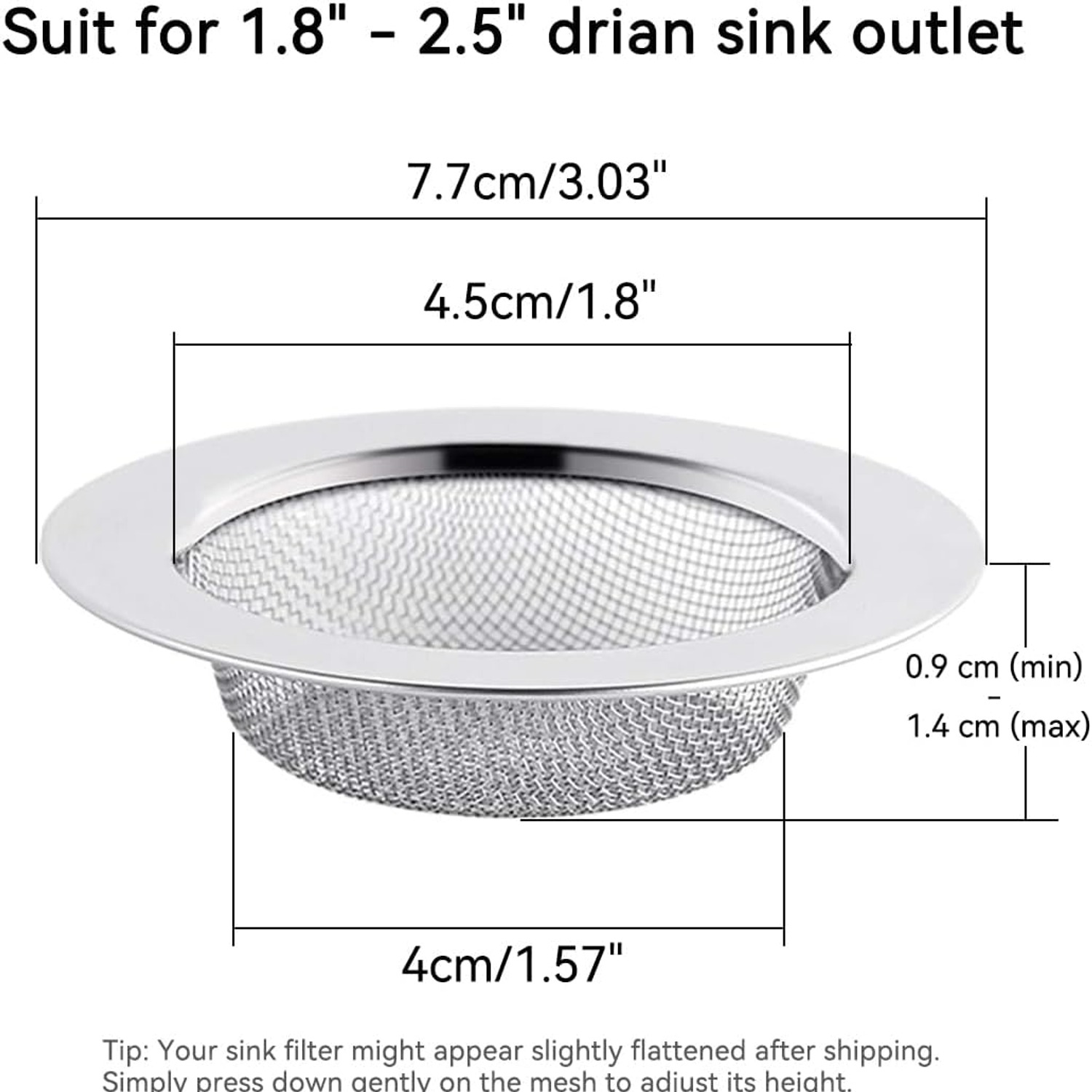
Start with a tape measure. This is where most disappointment comes from. Measure the diameter of your drain opening, then compare it with the listed 7.7 cm width. If your opening is smaller, the strainer rests on the rim and still works. If your opening is much larger, it will drop through, which is no good to anyone. Thirty seconds of measuring saves a return.
Think about depth as well. This strainer is 1.4 cm high. In an open shower drain that is fine. In a basin with a pop-up plug mechanism sitting in the way, check the clearance above the plug first.
Then consider how many drains you actually want to protect. A two pack is usually the right call, because the second strainer either covers another drain or sits in the cupboard as a spare while the first is in the dishwasher. A lot of people who buy a single one end up ordering another within a month.
Finally, be honest about your cleaning habits. Every drain strainer, metal or plastic, needs emptying. If you know you will not do it daily, a stainless steel one is the forgiving choice, because you can leave it a few days and then scrub it back to new. A plastic one left the same way often never quite recovers.
Looking after it
The routine is simple and takes almost no time. After a shower, lift the strainer, tip the hair into the bin and put it back. Doing it while the hair is still wet is easier than doing it after it has dried onto the metal.
Once a week, give it a proper clean. Hot soapy water with an old toothbrush gets into the holes, or you can just put it in the dishwasher with everything else. If your water is hard, you may see faint mineral marks. A wipe with a little white vinegar clears those and then rinse it well.
One habit worth building: do not let a full strainer sit for days. That is where drain smells come from, and people usually blame the pipe when the culprit is sitting in plain sight. Empty it, and the smell goes with it.
What it will not do
It is worth being clear. A strainer prevents new blockages. It does not clear an existing one. If your drain is already slow, deal with that first, with a drain snake, a plunger or a plumber depending on how bad it is. Then fit the strainer so you do not have to repeat the exercise.
It also will not stop grease. Oil and fat poured into a kitchen sink pass straight through any screen and solidify further down the pipe. Pour cooled fat into the bin, not the sink, and let the strainer deal with the solids.
The short version
Hair is what blocks drains, and a strainer stops hair at the top where it is easy to remove. This set gives you two stainless steel strainers at 7.7 cm wide and 1.4 cm high, in a silver rustproof finish, with no fitting required. The holes catch waste without slowing the water, cleaning takes seconds, and the dishwasher handles the weekly wash.
Measure your drain before you order, keep it emptied, and you have taken one of the most common household annoyances off your list for years. That is a good trade for something this small.