
The complete guide
How to Choose a Shower Drain Cover That Actually Catches Hair
The problem nobody talks about until the water stops going down
A shower drain is one of those parts of a house you never think about until it misbehaves. Then it becomes the only thing you can think about. Water creeps up over your toes mid-shower. There is a faint sour smell near the floor. Someone eventually pulls out a coat hanger and finds a grey rope of hair the size of a mouse.
Almost always, the root cause is the same. The small strainer that came with the shower went missing years ago, or it cracked, or it corroded until it sat crooked and let everything past. Without that one cheap part, every shower you take is quietly feeding hair, skin, sand, and soap residue into the trap below.
A replacement cover for a 90mm shower drain fixes this at the right point, which is the top. It is far easier to tip hair out of a small cup than to pull it back up out of a bend in a pipe.
What this cover actually does
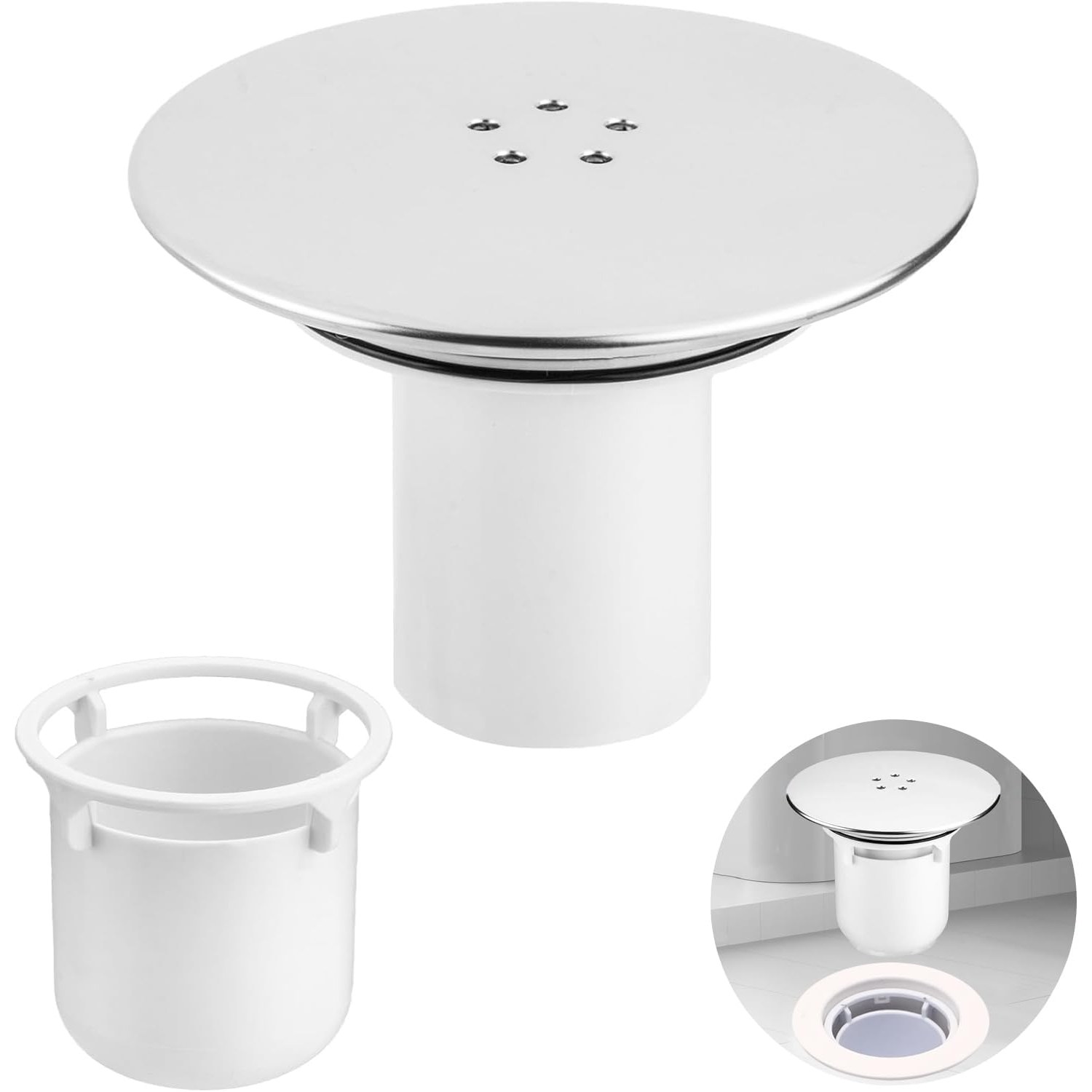
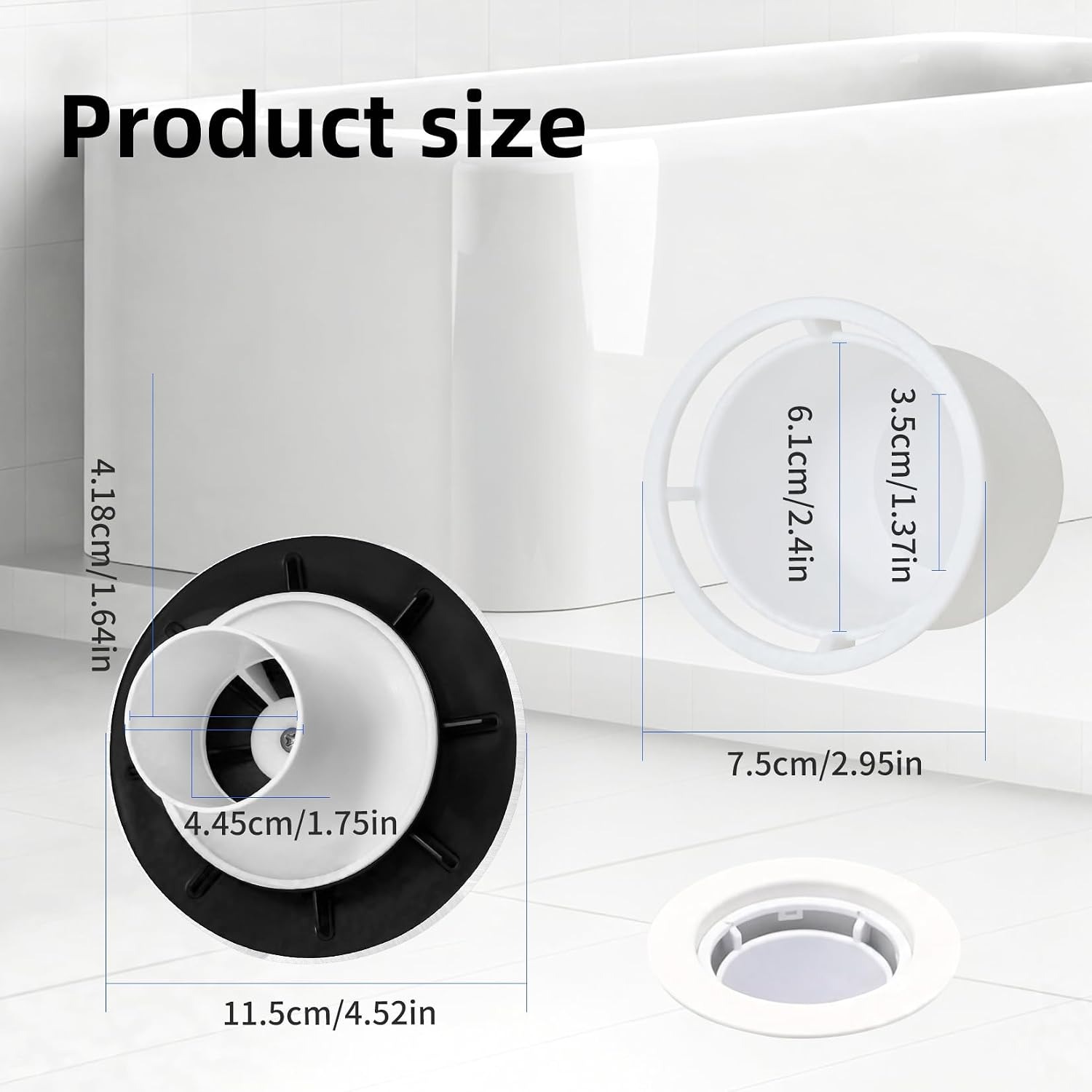
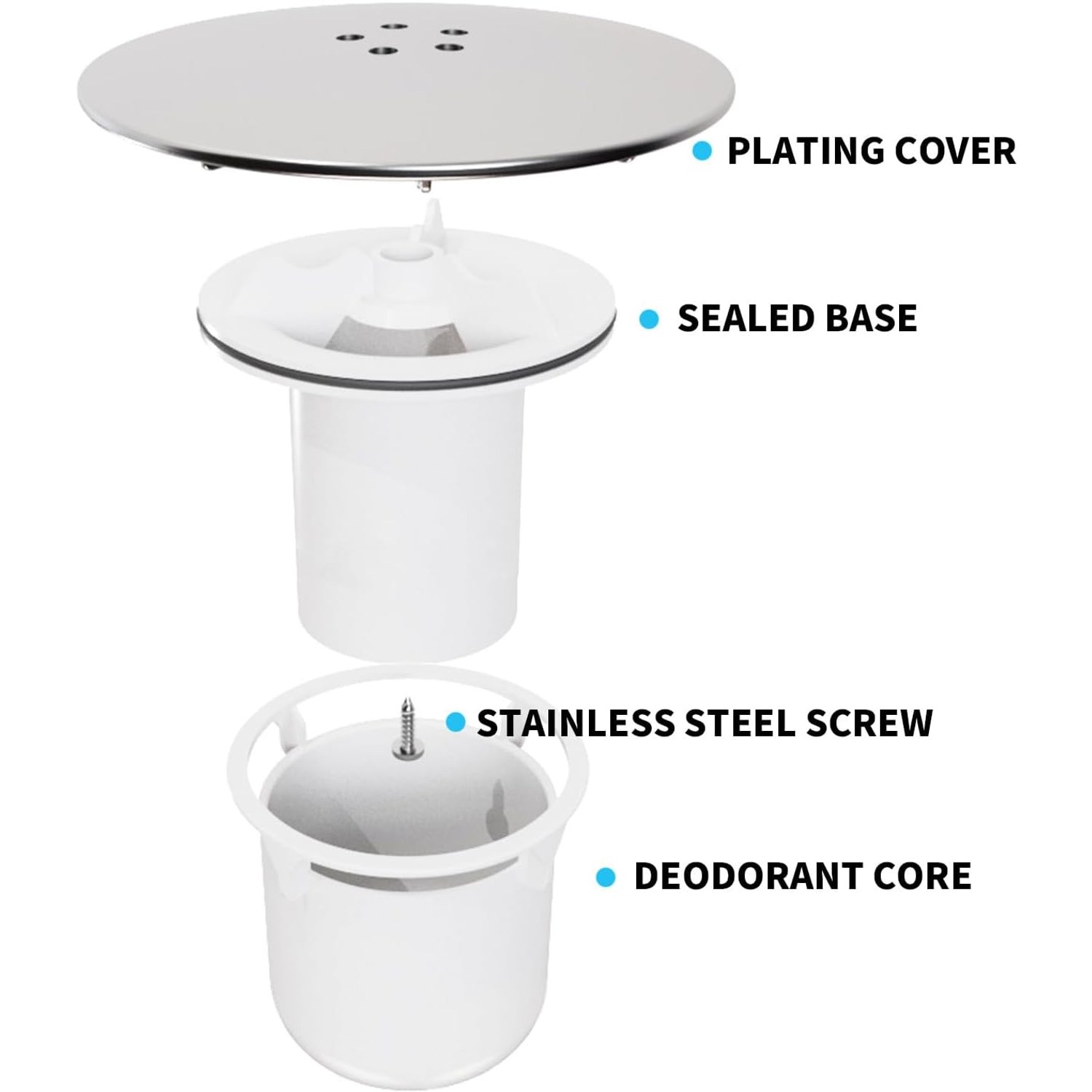
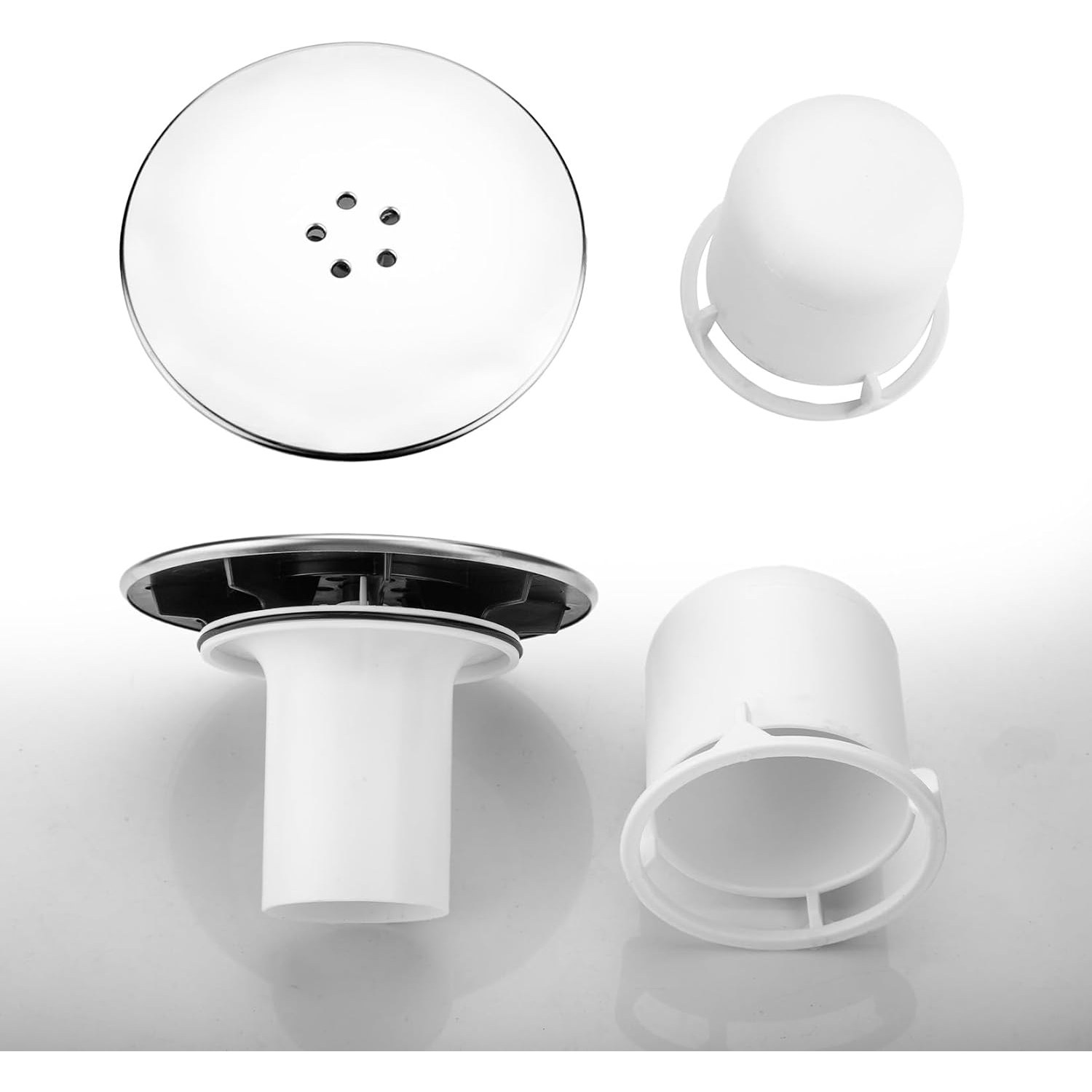
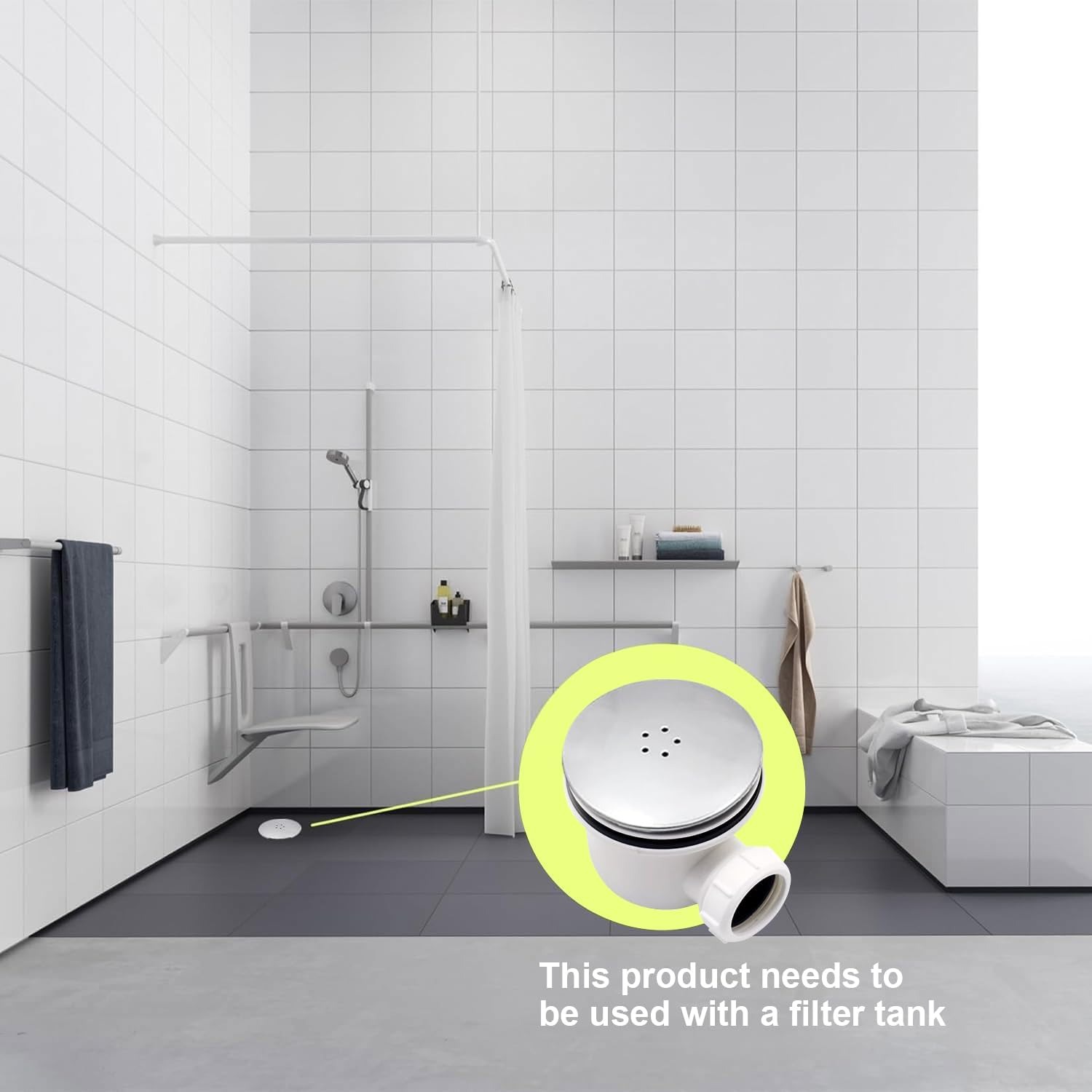
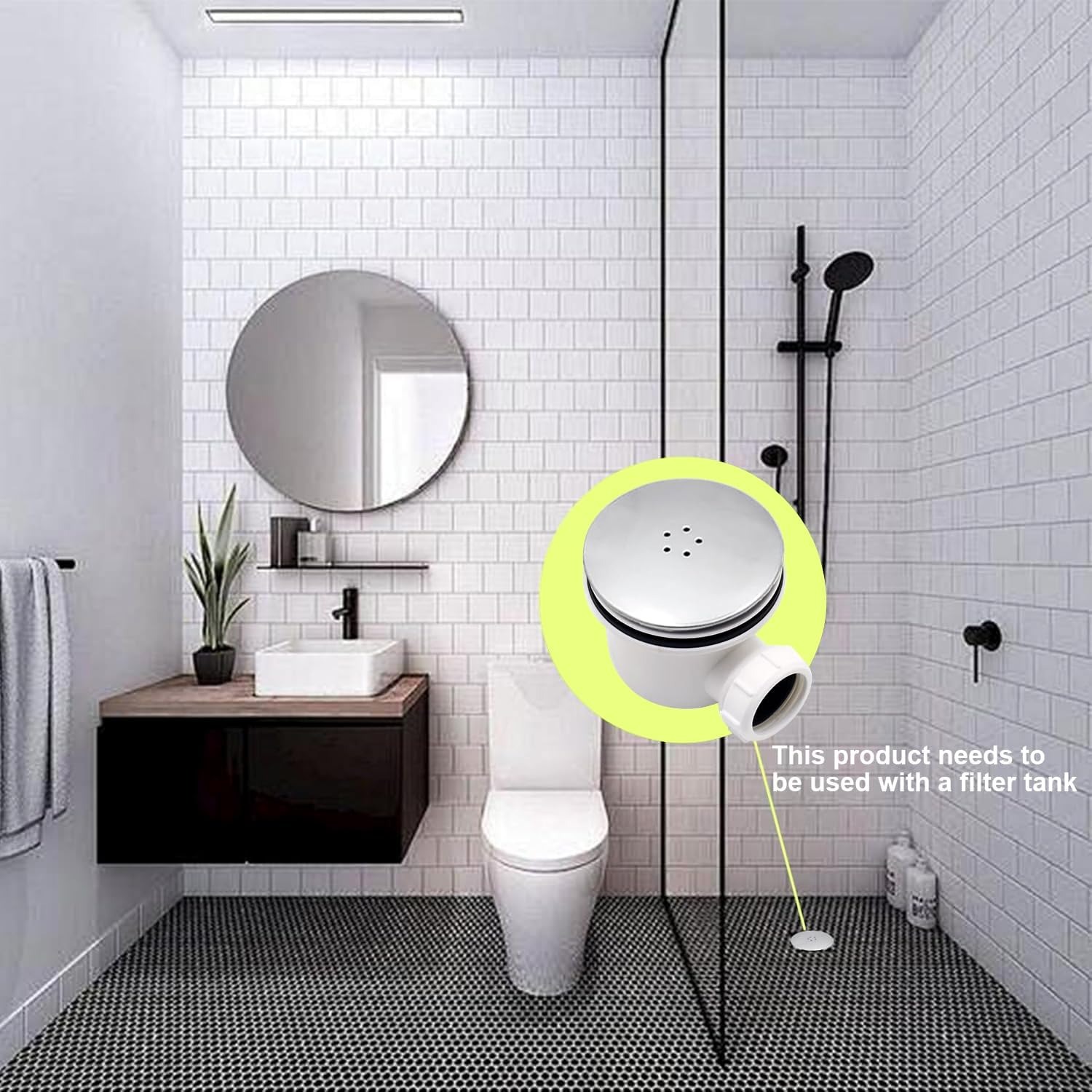
There are two working parts. The first is the top plate, which is 11.5 cm across and carries a dense pattern of small holes. That hole pattern is the whole trick. Make the holes too big and hair slides through. Make them too small and the shower backs up. A tight but open pattern holds hair on the surface while water keeps moving.
The second part is the white catch cup that sits under the plate. Anything that gets past the surface drops into the cup instead of the pipe. When you lift the cover out, the cup comes with it, and you tip it straight into the bin.
The cover is 9.5 cm in height, which includes the portion that drops down into the waste opening. It is made from metal and plastic with a polished finish, and the look is plain and modern. A drain cover should blend into the floor, and this one does.
Getting the size right
This is the part people get wrong, so it is worth slowing down.
The figure that matters is the diameter of the circular opening in your shower tray. Not the diameter of the old lid. Lids are always wider than the hole they cover, because that overlap is what keeps them from falling through and stops water running around the edge.
This cover is designed for wastes with a 90 mm groove diameter. The 115mm in the name is the width of the visible top plate. So you are looking for a 90 mm opening in the tray and you will get a 115mm lid sitting over it.
To measure, lift the old cover out, lay a tape across the widest point of the opening, and read it off. If you land somewhere around 90 mm, you are in the right place. If you get a clearly bigger number, you need a different size. Sizes in this style are commonly offered in both 90mm and 115mm waste fittings, so check carefully which one your tray takes before ordering.
It is also worth having a quick look at depth. The cover needs room below the opening for the catch cup to sit without fouling the trap. Most shower wastes have plenty, but a very shallow tray with an unusual waste can be tight.
Who this suits
If you have an existing shower with a tired or missing lid, this is a direct swap and a five minute job. That is the main use case.
It also works well for anyone with long hair in the household, which is where a good hair catcher drain lid earns its keep every single week. People who wash a dog in the shower get a lot out of it too, because short coat hair is maddeningly good at getting into pipework.
Renters like this kind of part because nothing is permanent. There is no drilling, no sealant, no plumber. You drop it in, and if you move out you can take it with you or leave it as an upgrade.
It is less suitable in two situations. First, if your drain is square, rectangular, or a linear channel, a round cover will not seat properly. Second, if you are plumbing in a brand new shower, you need a complete waste assembly first. This is the finishing piece, not the drain itself.
How to judge a drain cover before you buy
A few things separate a cover worth having from one that annoys you within a month.
Hole pattern comes first. Look for many small openings rather than a handful of wide slots. Wide slots look tidy in a photo and let hair sail straight through in real life.
Then look for a removable insert. A cover with a separate catch cup is far better than a flat plate on its own, because it gives the debris somewhere to collect where you can reach it. The special feature listed for this cover is that it is removable, and that is a bigger deal than it sounds.
Material and finish matter for how it ages. A metal and plastic build with a polished surface stays presentable as long as you do not scour it. Cheap thin plastic tends to yellow and go brittle in hot water over time.
Finally, think about the fit figure. A product that states the waste hole size it is made for, as this one does with 90 mm, saves you guessing.
Living with it
Care is genuinely simple, and doing it regularly is the difference between a shower that drains well and one that does not.
Once a week, lift the cover out, tip the catch cup into the bin, and rinse both parts under warm water. If soap film has built up in the perforations, a soft brush and a drop of washing-up liquid clears it in under a minute. Dry the top plate with a cloth and set it back in place.
Avoid the harsh stuff. Abrasive pads will scratch a polished surface, and leaving bleach or strong drain chemicals sitting on the cover does the finish no favours. You should not need aggressive chemicals anyway, because the whole point is that the hair never gets far enough down to need them.
If you ever do notice the water slowing, check the cover before you assume the worst. Nine times in ten the cup is simply full.
A realistic view of what it changes
This will not fix an already blocked trap. If your drain is backed up today, clear the blockage first, then fit the cover to stop it happening again. The cover is prevention, not a cure.
It also will not make a bad drain fast. Drainage speed is set by the pipework, the fall, and the trap. A clean cover with an open hole pattern keeps up with a normal shower, and that is the standard to judge it against.
What it does change is the maintenance. Instead of an unpleasant job twice a year with a hook and a torch, you get a ten second job once a week with a bin nearby. Most people will happily take that trade.
The short version
If your shower waste has a 90 mm circular opening and the original lid is cracked, missing, or useless, this is the part you want. The 115mm top plate covers the hole with a sensible overlap, the dense hole pattern holds hair back, and the removable white catch cup means you can empty the debris by hand without touching the pipe.
Measure the opening in your tray before ordering, since that one number decides whether it fits. Keep it rinsed and empty it weekly. Remember it is a replacement cover and catch cup only, with no drain body or pipe included.
Do that, and the whole business of standing in a pooling shower becomes something you simply stop dealing with.