
The complete guide
How to Choose and Fit a Replacement Bath Plug
The slow leak nobody mentions
There is a particular kind of annoyance that comes with a bath that will not stay full. You run the taps, get the temperature right, climb in, and everything is fine for a while. Then you notice the water is not where it was. Your knees are showing. The heat is going with the water, and you are left topping up from the hot tap every few minutes just to stay comfortable.
Almost always, the problem is the plug. Not the pipework, not the waste fitting, just the small stopper that costs very little and gets ignored for a decade. Rubber hardens. Seals flatten under repeated compression. Soap scum and limescale build a thin crust on the sealing face that stops it making proper contact. Any one of those is enough to turn a sealed bath into a slow leak.
The good news is that this is one of the cheapest and fastest fixes in a bathroom. Swapping a plug takes minutes and needs no plumbing knowledge at all.
What this plug actually is
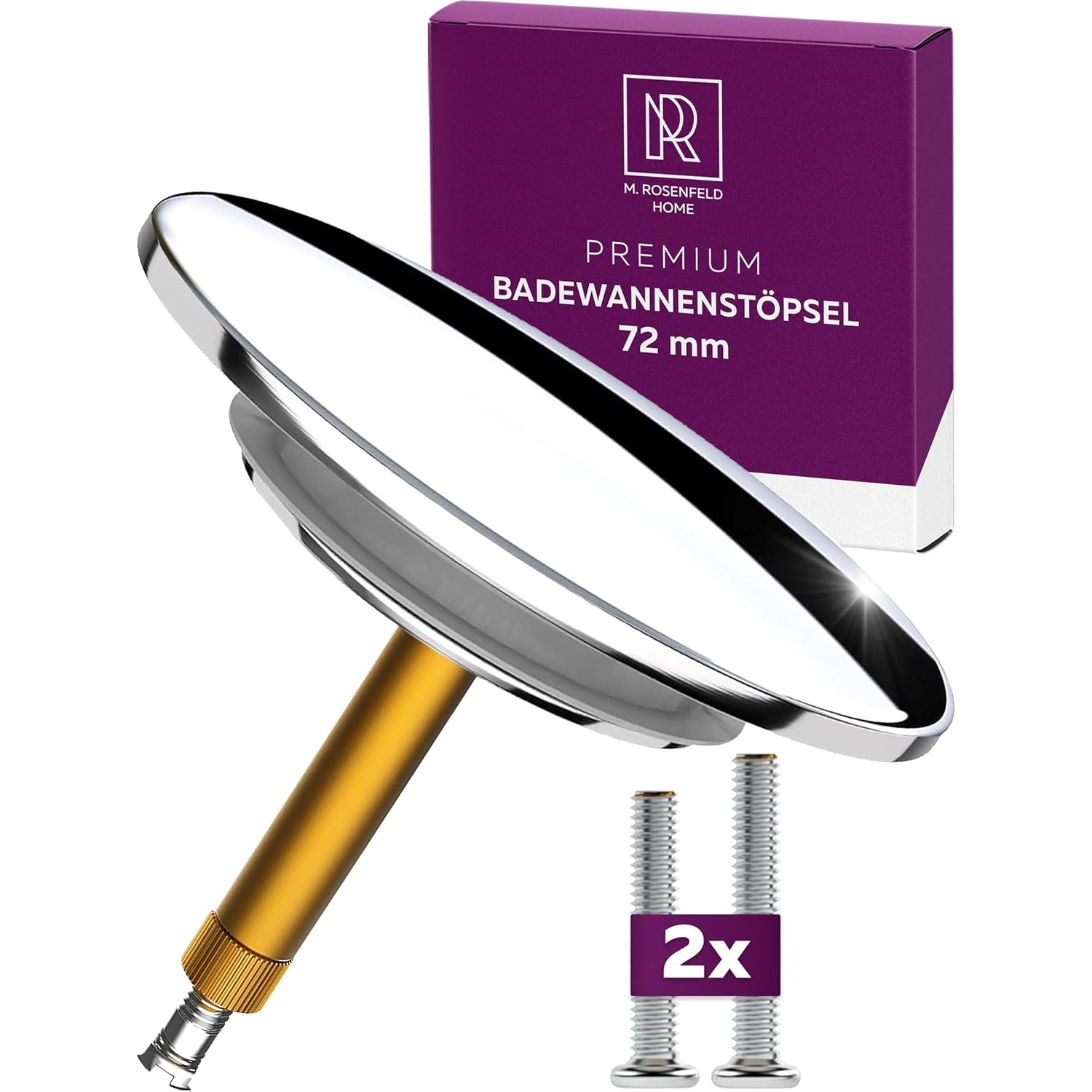
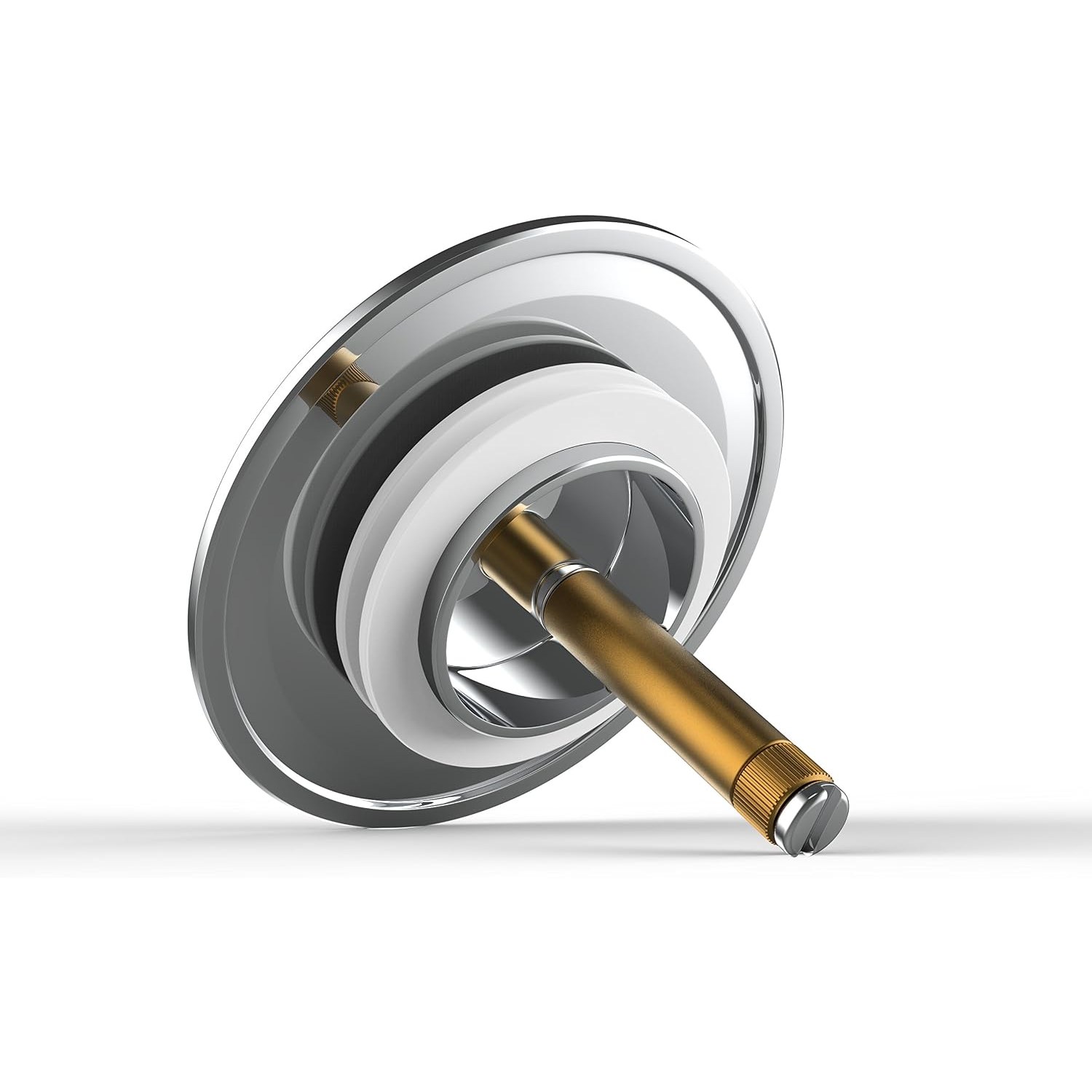
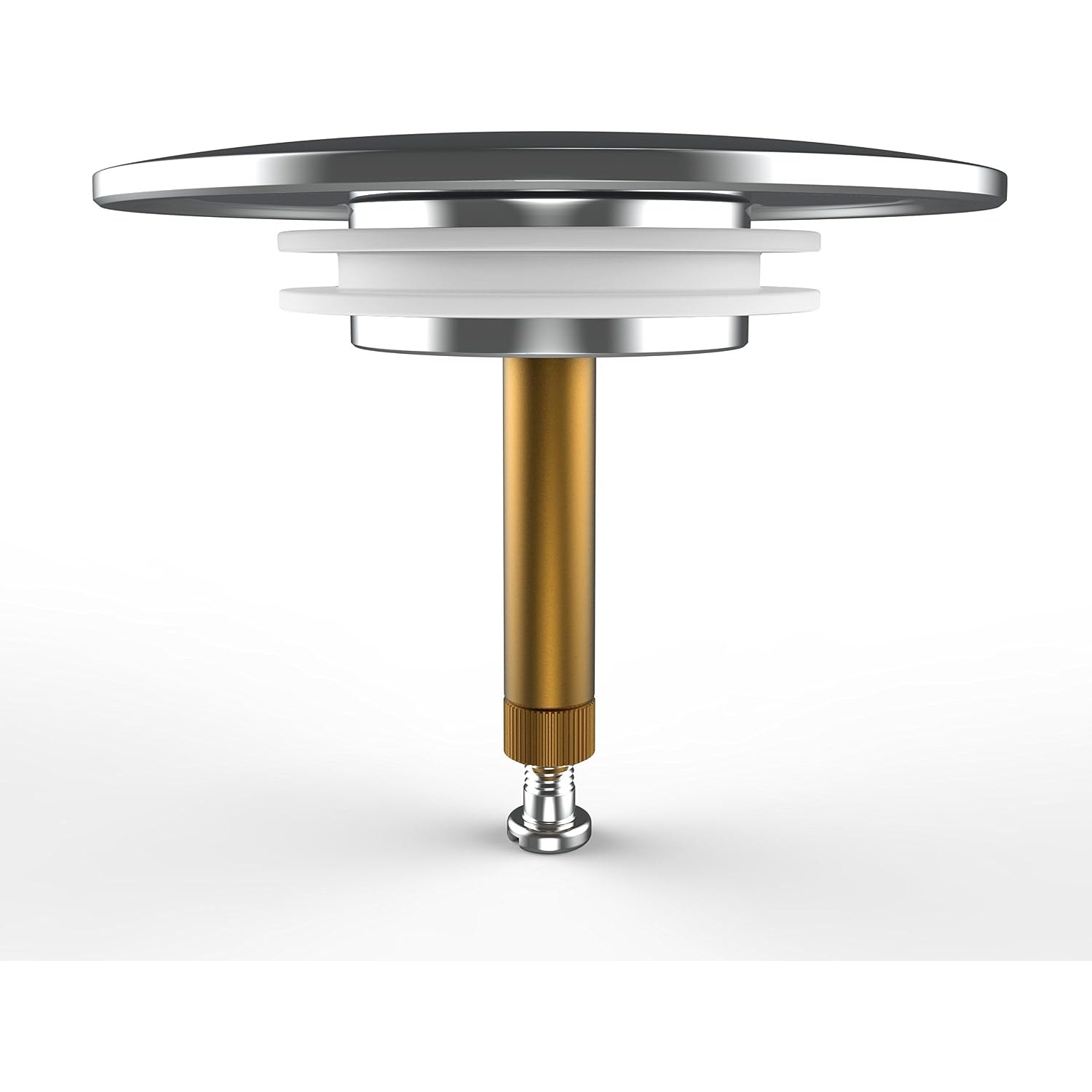
This is a 72 mm bath plug with a brass body and a chrome finish. It measures 7.2 cm wide and 6.8 cm tall, and it weighs 90 g, which is noticeably more substantial than the plastic stoppers that come as standard with many bath wastes.
Two sealing rings sit around the body. When the plug is pushed into the waste opening, those rings compress against the inside wall of the fitting and close off the water path. A central screw holds the plug in position and also sets the height, so you can fine-tune exactly how deep the plug sits. Two screws are supplied, 28 mm and 32 mm, because waste assemblies vary in depth from one bath to the next.
That combination, a metal body, twin seals and an adjustable screw, is what people are generally after when they search for the best universal bath plug. The universal part comes from the adjustment, not from hoping one fixed size covers everything.
Why brass rather than plastic
It sounds like a small detail, and for a day or two it is. Over a few years it is not.
A bathtub full of water weighs a lot, and all of that weight presses down on one small circle. Plastic plugs flex under that pressure. The flex is tiny, often invisible, but it is enough to lift one edge of the seal away from the waste wall. That is where the slow drain begins. A rigid brass body does not give, so the rings stay evenly compressed all the way round.
Brass also handles constant water contact well. It does not rust like steel, which matters for a part that spends its life either wet or damp. The chrome plating on top adds protection and gives the plug a clean look in the bath. People hunting for the best brass bath plug are usually buying for that longevity rather than appearance, though the chrome does not hurt.
Measure before you buy
This is the step most people skip, and it is the one that causes returns.
Take the old plug out of your bath. Lay a tape measure or a ruler across the circular opening in the tub and measure from the inside edge on one side to the inside edge on the other. That is the inside diameter. You want a figure around 72 mm.
A couple of millimetres either way is normal because of how the sealing rings compress. If your measurement comes back at 60 mm or 85 mm, this is not the right plug for you and no amount of adjustment will change that. Measure the waste itself, not the decorative rim or the surround, since those can be noticeably wider than the actual hole.
If you are between sizes or unsure what you are looking at, send us the number and a photo. We would rather answer a question than process a return.
Fitting it
The process is simple enough to describe in a paragraph.
Remove the old plug. Clean the waste opening with a cloth, paying attention to the inside wall where the seal will make contact. Hair, soap residue and limescale all sit there and all interfere with sealing. Pick the screw that matches your waste fitting, thread it through the plug and into the fitting, and tighten it by hand.
Now test it. Run a few centimetres of water and watch the level for a minute or two. If it holds, you are finished. If it creeps down, take the plug out, check for debris you missed, and adjust the screw slightly. Small turns make a difference. The goal is for the sealing rings to sit at the point in the waste where they compress evenly all the way around.
That adjustability is the reason an adjustable bath plug beats a fixed one. Two baths with identical 72 mm openings can still have different waste depths, and the screw is what bridges that gap.
Who this suits
Anyone with a standard bathtub whose plug has stopped sealing. That includes acrylic baths, pressed steel baths and old cast iron tubs, because the plug seals against the metal waste fitting rather than the bath material itself.
It also suits landlords and anyone maintaining more than one bathroom, since a metal plug tends to survive tenant turnover better than a plastic one. Households with hard water get good value too, because limescale is brutal on soft rubber seals and a sturdier plug stands up to more cleaning.
If your bath uses a lever-operated pop-up waste, this is not a direct replacement for that mechanism. Pop-up systems have their own linkage and need matching parts.
Keeping it working
Maintenance is almost nothing, but the small amount that exists is worth doing.
Rinse the plug after a bath so soap film and bath oil do not dry onto the sealing rings. Wipe the chrome dry with a soft cloth to prevent water spotting. Skip the scouring pads and gritty cleaning powders, which scratch chrome and will eventually dull it.
Every few months, pull the plug out and look at the rings. Hair wraps around them and is easy to miss. Clear anything you find, wipe the waste opening at the same time, and refit. That five second check prevents most of the leaks people blame on a faulty plug.
If the seal does start to weep after a long time in service, try loosening the screw slightly and reseating the plug before assuming it has failed. Position is often the issue rather than wear.
The short version
A leaking bath plug is a small part causing a large irritation, and it is easy to fix. Measure the inside diameter of your bath waste. If it is around 72 mm, this brass plug with its twin sealing rings and two screw options will almost certainly do the job.
Clean the waste opening before you fit it, pick the screw that matches your fitting, and adjust the height until the water holds. After that, give it a rinse now and then and clear the hair off the seals a few times a year.
It costs very little compared with the irritation of a bath that drains while you are in it. That is really the whole argument.