
The complete guide
Click Clack Plug Bolt Replacement, A Practical Buyer's Guide
The small part that ruins a good basin
A click clack waste is one of those fittings you never think about until it misbehaves. You press the stopper with a finger, it drops, and the basin holds water. Press again and it springs back up. There is no chain, no lever, no grubby plug sitting in the bowl. It is a tidy bit of engineering.
Then one day it stops latching. Or it latches and refuses to let go. You find yourself prodding at a smooth metal disc with wet fingers, trying to get it to pop, and eventually levering at the edge with a teaspoon. Plenty of people assume the whole waste has failed and start pricing up a replacement, which means getting under the vanity unit, undoing the trap and dealing with whatever has been sitting in there since the bathroom was fitted.
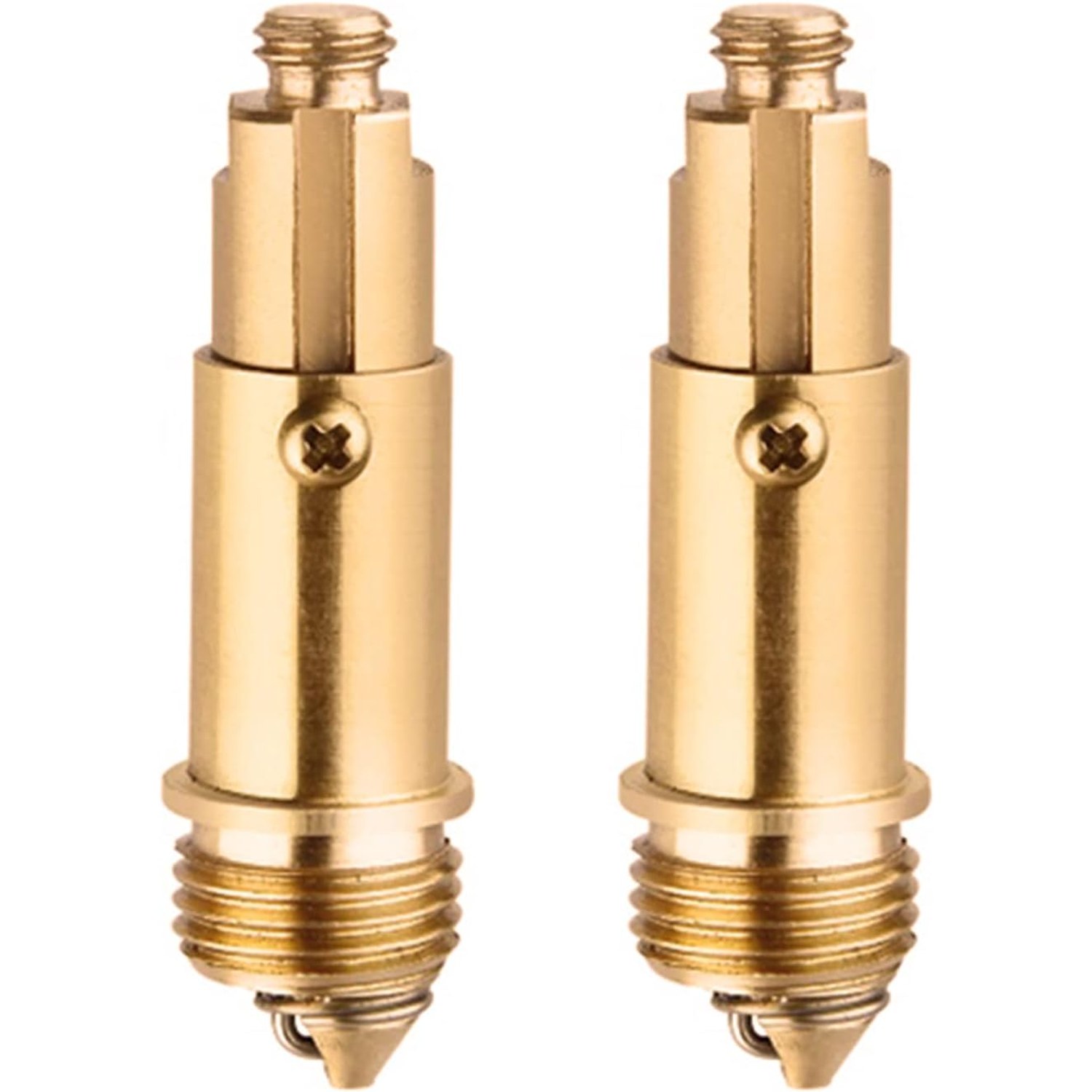
Most of the time that is not necessary. The failure is almost always in one small internal part, the spring loaded bolt that sits inside the stopper and does the clicking. Replace that and the basin works again.
How a click clack plug actually works
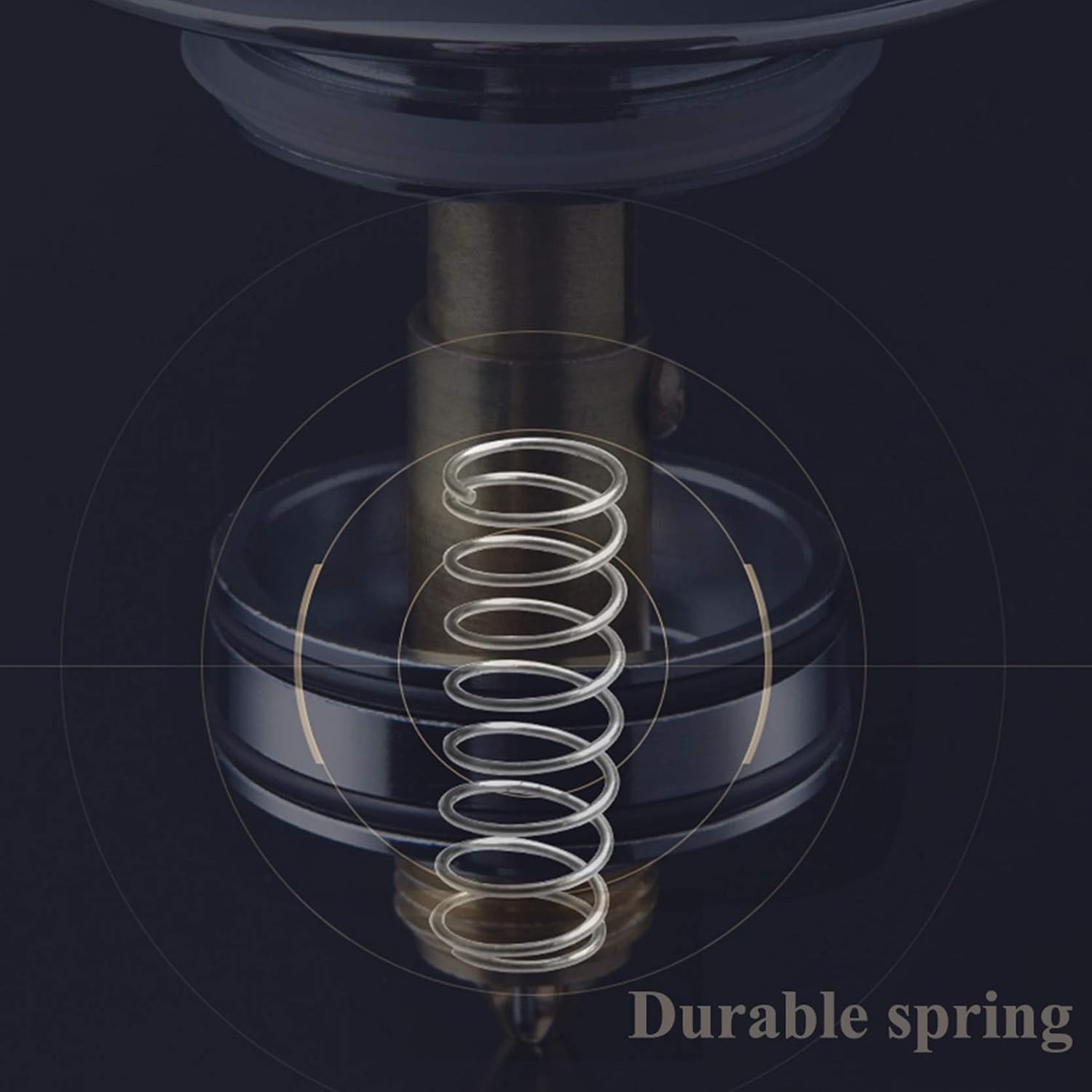
Inside the stopper is a bolt with a spring and a simple cam. Push down and the cam rotates a notch, catching on a ledge and holding the stopper in the closed position. Push again and the cam rotates past the ledge, the spring pushes everything back up, and the water drains.
It is a pen clicker, basically, living in a wet hole.
Two things wear it out. The first is the spring, which gradually loses tension after thousands of presses. The second is scale and soap scum, which build up around the moving parts until they bind. Hair, toothpaste and shaving foam all end up in that gap. In a hard water area the limescale layer can get thick enough to stop the cam turning cleanly.
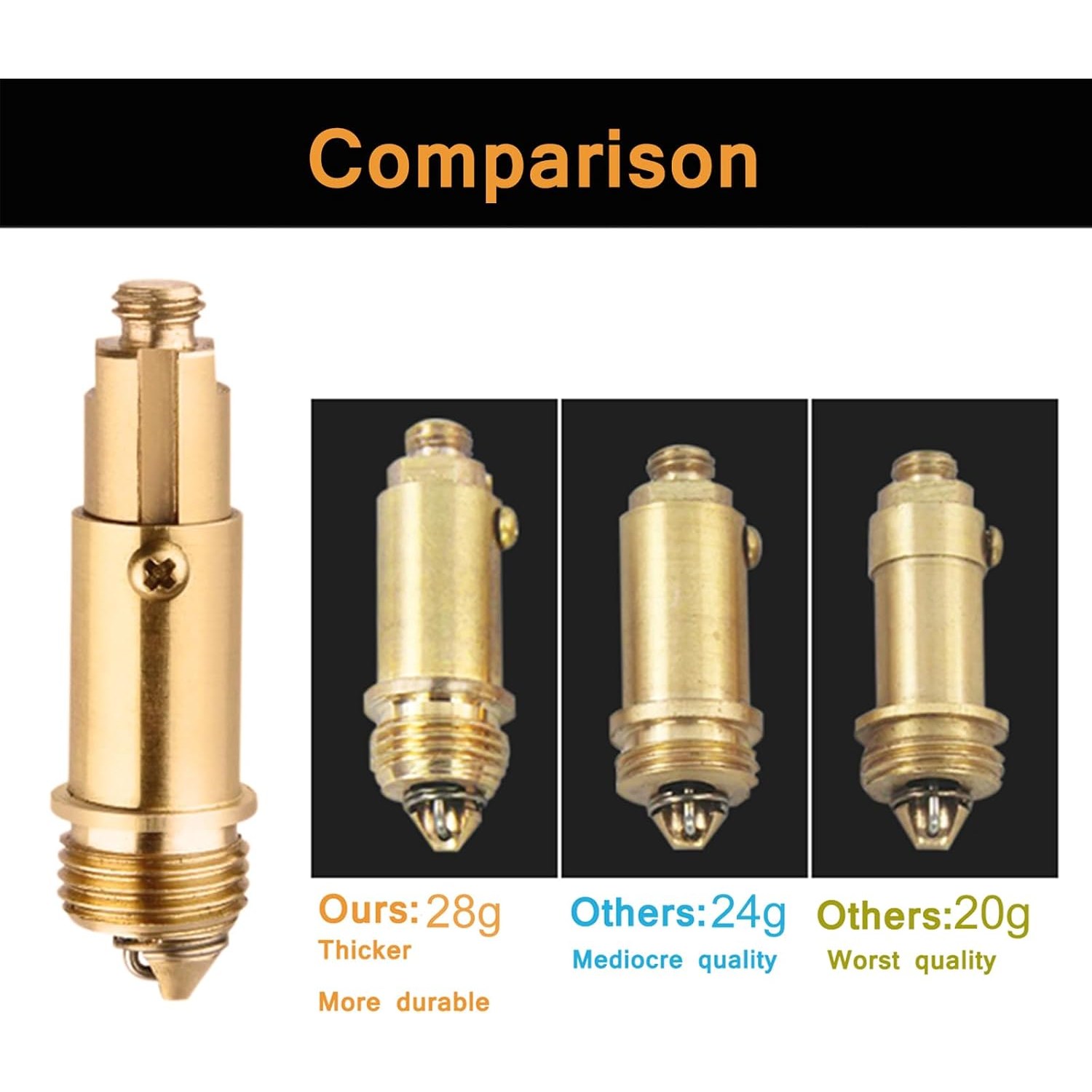
Because brass holds up well in that environment, a brass plug bolt for basin repairs tends to last longer than a plain steel one. Steel left in standing water corrodes, and corroded parts seize.
Who this spare is for
This bolt suits anyone whose click clack stopper has gone soft, sticky or dead, and whose waste body is otherwise sound. If the chrome ring in the basin is still solid, the threads inside are clean, and water drains fine when the stopper is lifted out, you have a bolt problem and not a waste problem.
It also suits people who look after more than one bathroom. Landlords, holiday let owners and anyone with a double vanity will get use out of a two pack rather than buying a single part each time. Keeping a spare on the shelf turns a weekend annoyance into a five minute fix.
It is not the right part if the stopper cap itself is cracked, if the thread inside the cap is chewed up, or if the waste body is loose in the basin. Those are different repairs.
Getting the size right
This is the only part of the job where people go wrong, so it is worth slowing down.
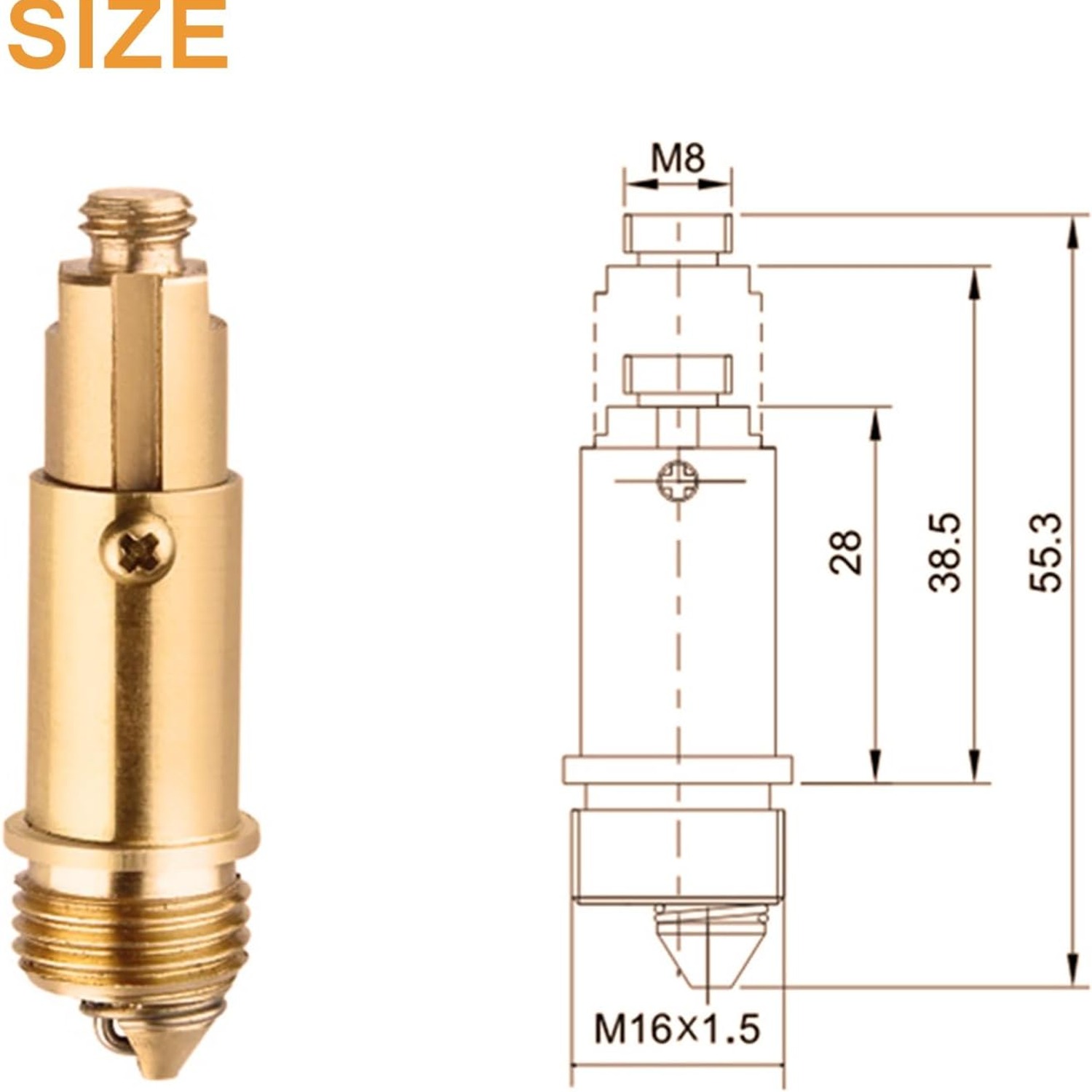
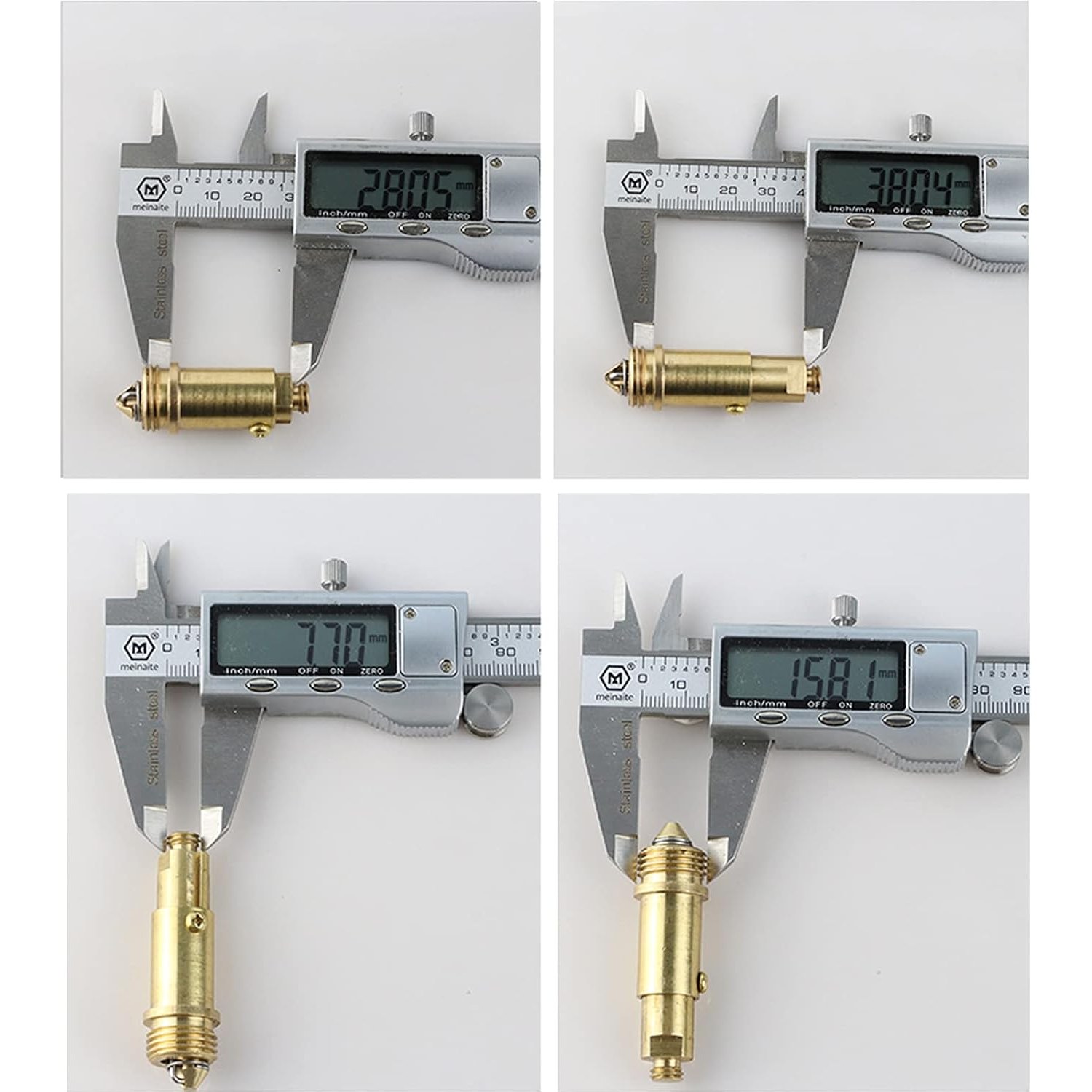
The published sizing for this bolt is an M8 top screw thread, an M16 x 1.5 bottom screw thread, a pop up height of 38 mm, a closed height of 28 mm and an overall height of 58.3 mm. Those five numbers are your checklist.
To check yours, unscrew the existing stopper cap and lift the bolt out. It should come away without a fight. Lay it on a bit of paper and measure the full length first. If you are nowhere near 58.3 mm, stop there, it is not a match. If the length is close, look at the two threaded sections. The narrow one at the top takes the cap. The wider one at the bottom screws into the waste body.
Calipers make this easy, but a steel ruler is usually enough to tell a match from a mismatch. If you are unsure, photograph the old bolt next to a ruler and send it over. Guessing and hoping is how people end up with a drawer full of near misses.
Fitting it
The repair itself is genuinely simple, and no part of it involves the trap.
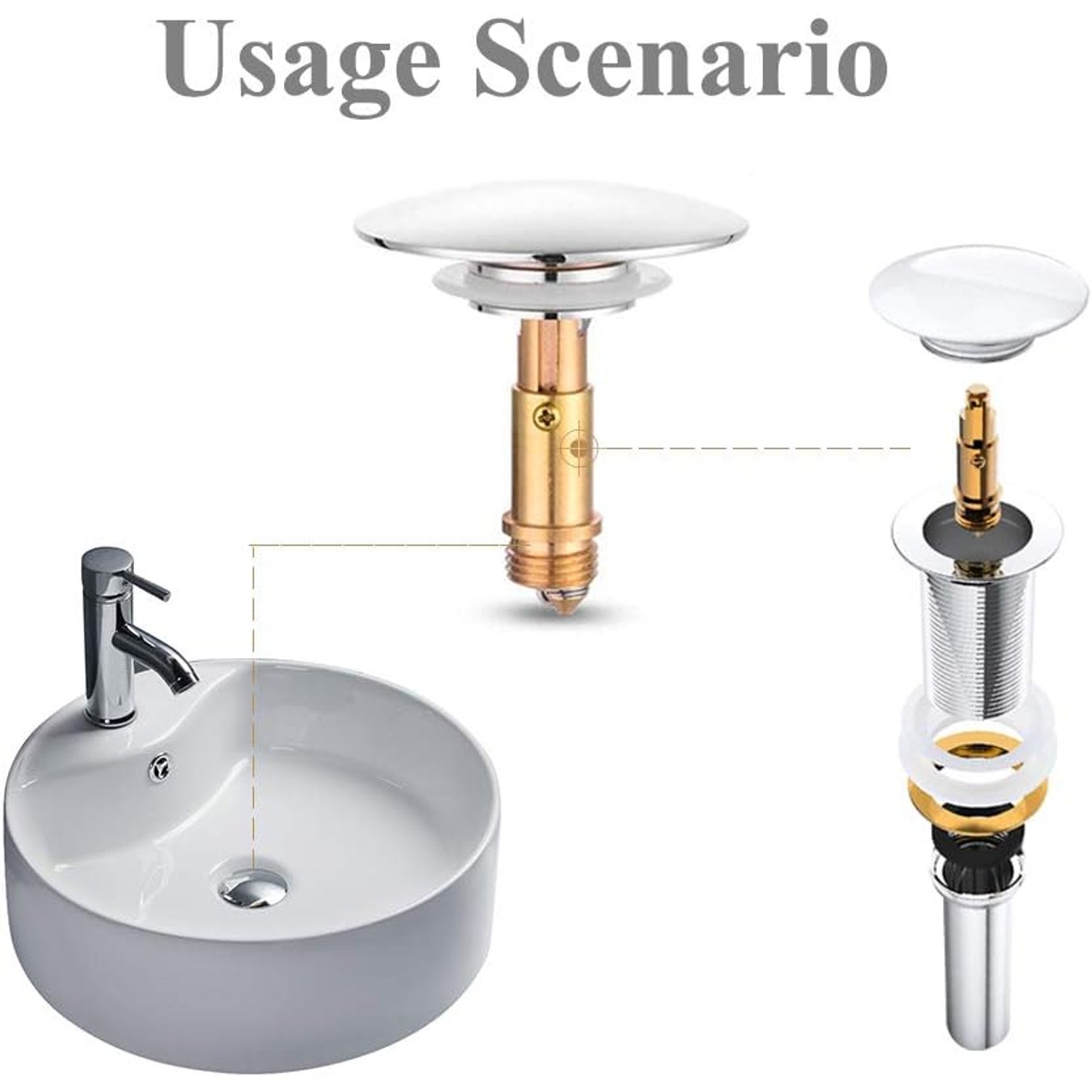
Start with a dry, empty basin. Unscrew the old stopper cap. If it has been in place for years and feels welded on, wrap a cloth around it for grip and turn steadily rather than yanking. Once the cap is off, lift the old bolt out.
Now take a minute to clean the seat. Limescale rings, old hair and soap residue all sit in that recess, and dropping a fresh bolt onto a gritty seat is a waste of a good part. A cloth and a bit of warm soapy water does the job. A soft toothbrush helps in the corners.
Drop the new bolt in so it seats flat and square. Screw the cap back down by hand. Do not force it tight. Over tightening is the main cause of a brand new bolt feeling stiff, because the cap presses on the spring travel.
Test it before you tidy up. Press down, it should latch with a clear click. Press again, it should release cleanly and rise to the open position. Fill the basin and check the seal holds. If water seeps away slowly, the sealing surface on the underside of the cap has probably perished, and that is a cap issue rather than a bolt issue.
Keeping it working
Click clack mechanisms repay a small amount of attention. Once every month or two, unscrew the cap, lift the bolt out and rinse it under the tap. Wipe the seat while you are there. Thirty seconds of maintenance keeps the push button plug replacement part moving smoothly for years.
Avoid pouring strong drain unblockers through a basin while the stopper is in place. Those chemicals are rough on metal finishes and can attack the spring. If you need to use one, take the stopper out first, and flush plenty of fresh water through afterwards.
Clean the brass with mild soapy water and a soft cloth. Skip bleach, skip scouring pads. A dull film on brass is cosmetic and does not affect how the mechanism works, which matters less anyway given the bolt is hidden inside the stopper once fitted.
Why a two pack makes sense
Buying one bolt to fix one basin feels efficient until the second basin goes the same way six months later. Pop up wastes in the same house tend to be the same age and get similar use, so failures arrive in clusters.
With two bolts you can do both sides of a double vanity in one go and have the whole thing matching. Or you fix the one that is annoying you now and put the spare where you will find it later. Either way you are not paying postage twice for a part that weighs 28 g.
The short version
If your click clack basin has stopped latching, releasing or sealing, the problem is almost certainly the spring bolt inside the stopper rather than the waste itself. This two pack gives you brass replacements with an M8 top thread, an M16 x 1.5 bottom thread, 38 mm popped up, 28 mm closed and 58.3 mm overall.
Measure your old bolt against those numbers first. If they match, the job takes a few minutes, needs no tools and does not go anywhere near the trap. If they do not match, tell us what you have measured and we will point you somewhere more useful.