
The complete guide
How To Choose And Use A Self Adhesive Hair Strainer Roll
The problem nobody notices until it is too late
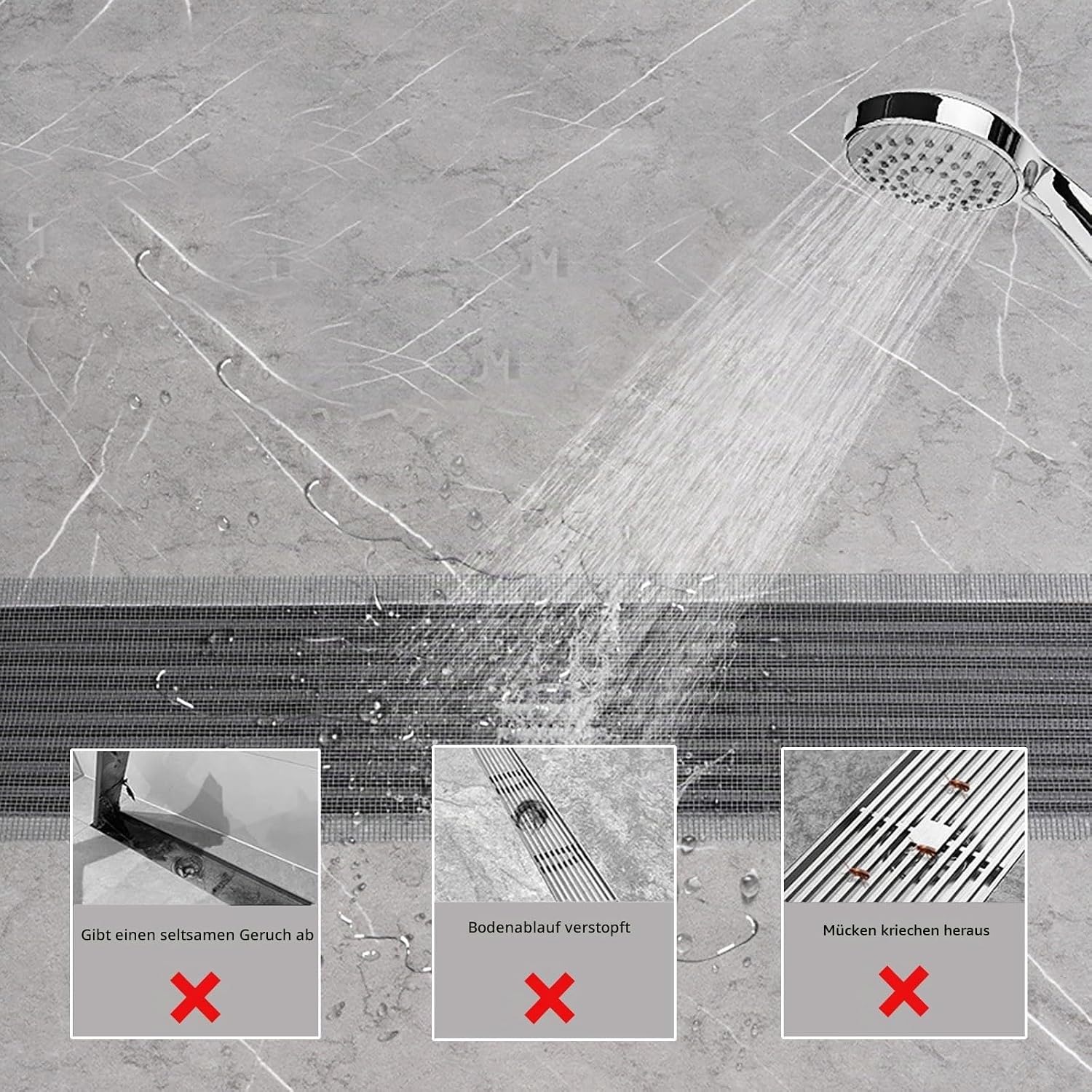
A shower drain does not announce that it is blocking. It gives you a few quiet warnings first. Water pools around your ankles a little longer than it used to. A faint smell drifts up when the bathroom is warm. Then one morning the water is halfway up your shins and you are standing in it, holding a bottle of shampoo, wondering how it got this bad.
The culprit is almost always hair. A single strand means nothing. Thousands of them, over months, twist into a mat inside the trap, and that mat grabs soap scum, skin cells and whatever else goes down with it. Plumbers call it a hair clog and they pull them out of houses every single day. It is one of the most common and most preventable call-outs there is.
The fix is not a stronger chemical. Drain cleaners burn through the blockage temporarily and are rough on older pipework. The fix is simply not letting the hair in. That is the whole idea behind a self adhesive hair strainer roll.
What this product actually is
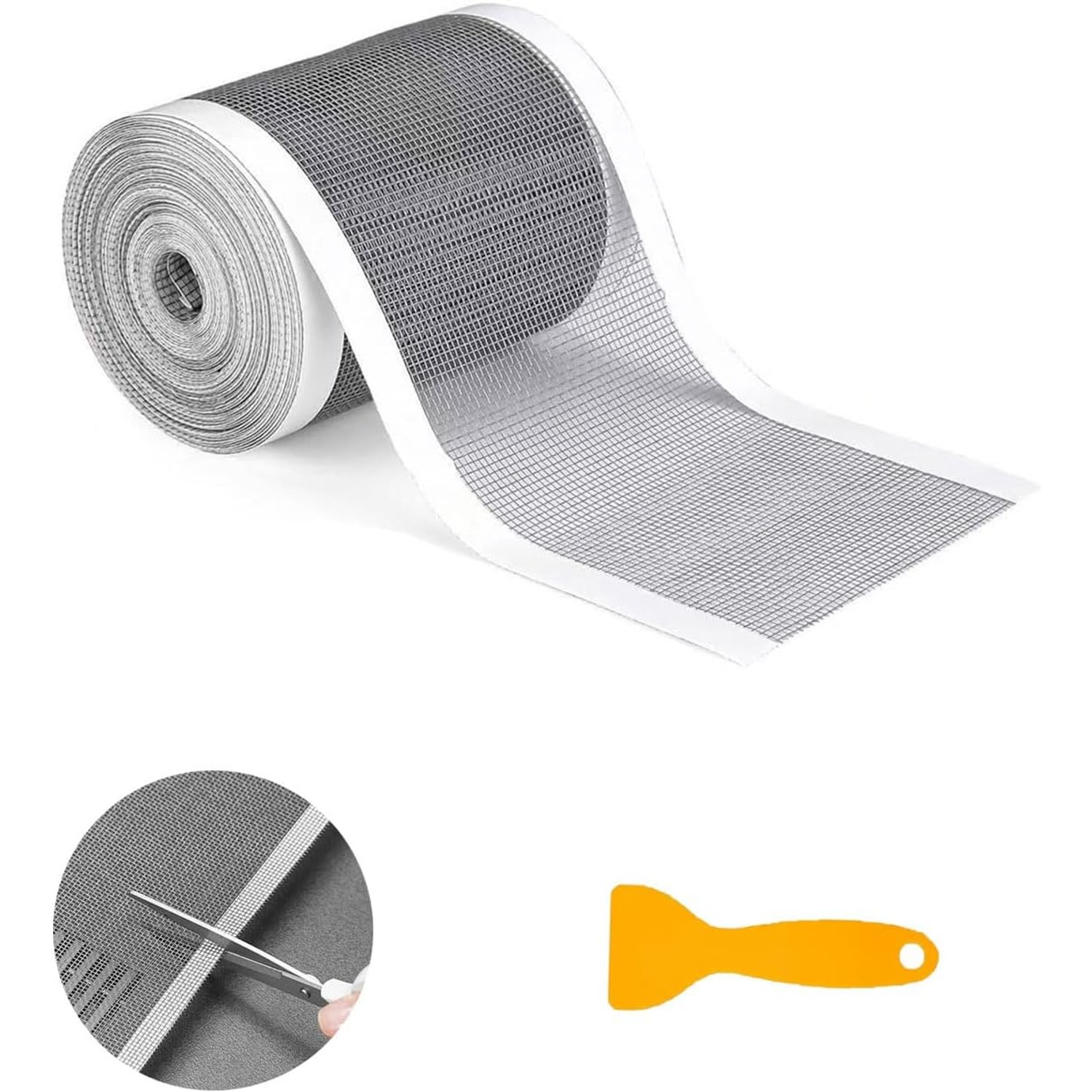
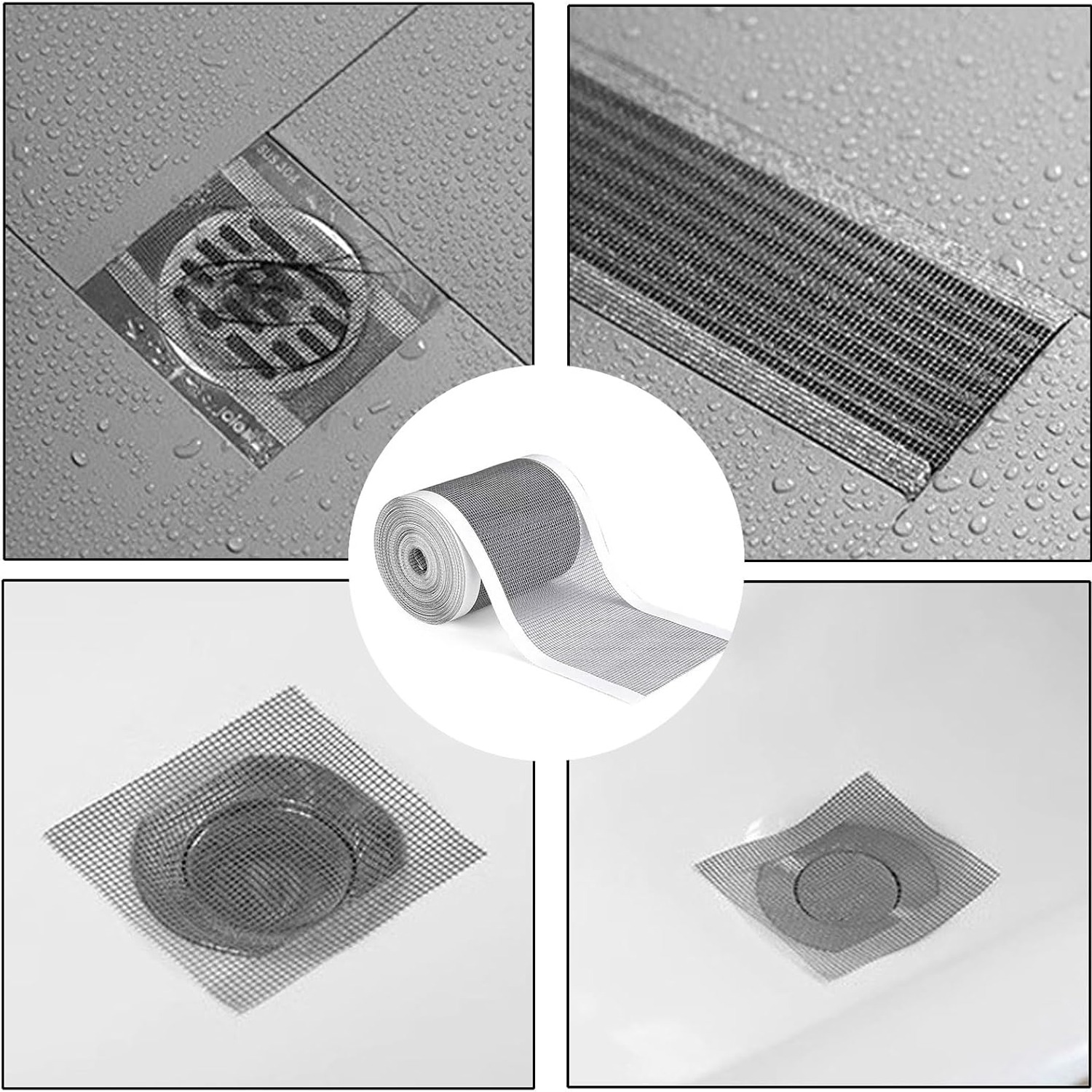
It is a roll of polypropylene mesh, 10cm wide and 10 metres long, with an adhesive backing. You cut off a piece, stick it over the drain, and it catches everything the water tries to carry down.
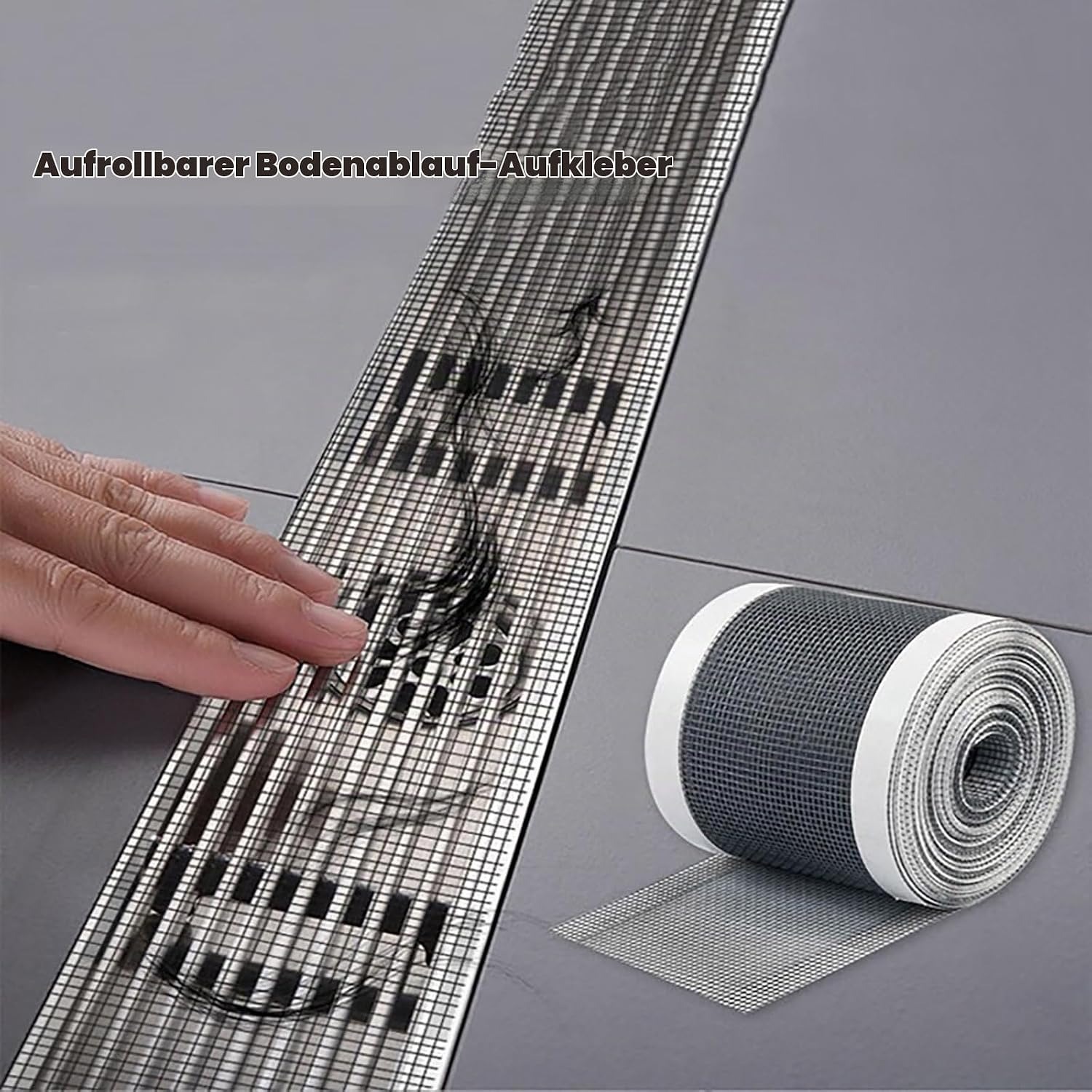
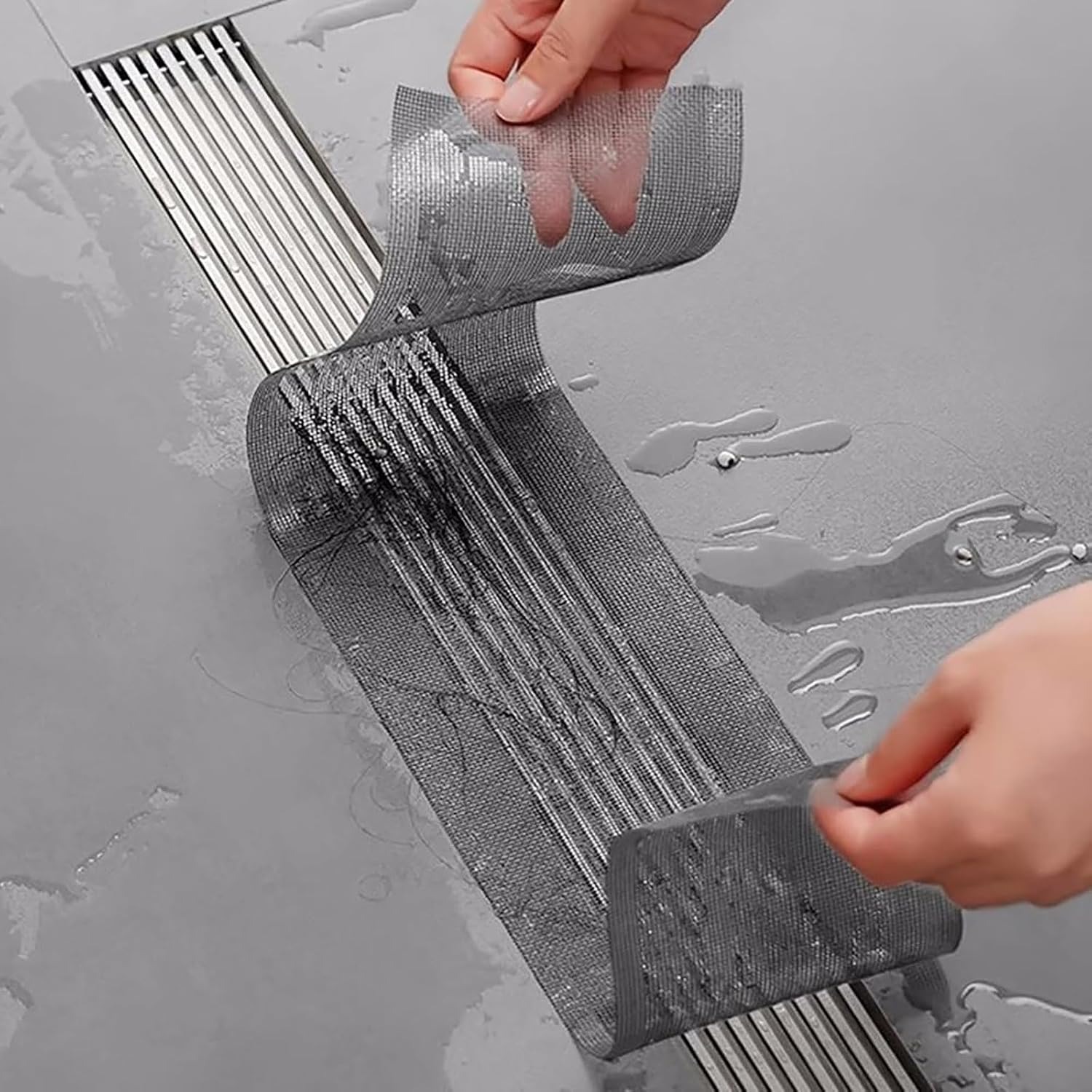
That is genuinely the whole mechanism. There is no filter cartridge, no moving part, no installation. The mesh is fine enough to hold hair and food scraps but open enough that water runs through without pooling. When a piece fills up, you peel it off with the hair stuck to it and bin the lot.
The reason it comes on a roll rather than as pre-cut discs matters more than it sounds. Drains are not standard. A shower tray waste, a bath drain, a basin, a kitchen sink and a balcony floor gully are all different shapes and sizes. Pre-cut covers only fit what they were made to fit. A roll fits all of them, because you decide the shape with a pair of scissors.
How to fit it so it actually stays put
The single biggest reason these fail is a damp surface. Adhesive needs dry, clean material to bond to, and a bathroom is the worst place in the house for that. Spend thirty seconds getting this right and the piece will hold for as long as you need it.
Start by measuring the drain opening. Cut your piece a bit larger than the hole so you have a border of material to stick down on all sides. For a round drain, cut a square and then snip the corners off if you want it to look neater. For a long channel drain, cut one continuous strip rather than butting several short pieces together, because joins are where hair finds a way through.
Next, dry the area properly. Not a quick wipe. Use a dry cloth or paper towel and get the drain surround and a few centimetres around it completely dry, and give it a minute if the bathroom is steamy. If there is soap film or limescale on the surface, clean it off first, because the adhesive will stick to the film rather than the tile.
Peel the backing, line the piece up over the opening and press the edges down firmly with your fingers. Work from one side to the other so you do not trap air underneath. That is it.
One trick worth knowing: if your drain has a removable grate or cover, lift it, stick the mesh underneath, and put the cover back on. The grate hides the mesh completely and clamps the edges flat, which makes it look invisible and hold better at the same time.
Where it works best
Showers are the obvious one, and the main reason people buy a drain mesh filter in the first place. If anyone in your house has long hair, this is where the roll earns its keep fastest.
Bathtubs are next. Bath drains tend to collect hair in the same way but you notice it later, because a bath empties under more pressure than a shower.
Kitchen sinks are a quieter win. A basket strainer catches the big stuff but coffee grounds, rice grains, tea leaves and pasta fragments slip straight through the holes. Those small particles are exactly what settles and builds up in a kitchen trap, often mixed with grease. A layer of mesh over the sink waste catches them.
Laundry drains and floor gullies in washrooms and balconies also work well, as long as the surface around them is smooth enough for the adhesive. Washing machine outflow carries a surprising amount of fabric lint, and balcony drains collect leaves, grit and insects.
The surfaces where it struggles are rough natural stone, unglazed or heavily textured tile, and anywhere that stays permanently wet. On those, you may get better results sticking the mesh to the metal drain flange itself rather than the floor.
Choosing a drain filter that suits your household
Not every drain filter suits every person, so it is worth matching the type to how you live.
If you want zero maintenance and do not mind cleaning something out by hand, a silicone or stainless hair trap sits in the plughole and gets rinsed every so often. It lasts for years but you have to touch the hair every time.
If you want the hair gone without handling it, disposable mesh is the better fit. You peel, bin and replace, and your hands never come near it. That is the trade: you consume material over time, but the job takes ten seconds and is not unpleasant.
If you rent, disposable mesh has an extra advantage. Nothing is fixed, nothing is modified, and there is nothing to explain at the end of a tenancy.
If you have several drains, a roll beats buying individual covers for each one. One 10 metre roll handles the shower, the bath, two basins and the kitchen sink with length to spare, and every piece is cut to the right shape instead of being approximately right.
Keeping it working
Change the mesh before it is fully loaded, not after. Once hair covers most of the surface, water starts to pool and the edges can lift. A quick look during your usual bathroom clean is enough to spot it.
When you peel a piece off, fold it in on itself so the hair is trapped inside, then bin it. Never push it down the drain or flush it. The whole point is to keep that material out of the plumbing.
Store the rest of the roll somewhere dry. A cupboard under the sink is fine. Leaving it in a steamy shower or in direct sunlight will dull the adhesive over time and make the next piece harder to stick.
If a piece lifts at one corner early, it is nearly always a surface problem rather than a product problem. Dry the area again and try a fresh cut. The second attempt usually holds.
And if you already have a slow drain before fitting anything, clear that first. Mesh prevents new build-up, it cannot reach what is already sitting in the trap. Clear the trap, then fit the mesh, and you start from a clean baseline.
The short version
Hair causes most household drain blockages, and the cheapest way to deal with it is to stop it at the surface. This roll gives you 10 metres of polypropylene mesh, 10cm wide, with an adhesive back. You cut what you need, dry the drain surround, press it on, and swap it when it looks full.
It fits round drains, square drains, long channels, kitchen sinks, laundry gullies and balcony drains, because you decide the shape yourself. It needs no tools beyond scissors, leaves nothing permanent behind, and one roll lasts a very long time across multiple drains.
It will not fix a pipe that is already blocked. What it will do is make sure you are not standing in a flooded shower tray six months from now, wondering where it all went wrong.