
The complete guide
How to Choose a Shower Drain Hair Catcher That Actually Stays Put
The problem nobody notices until the water pools
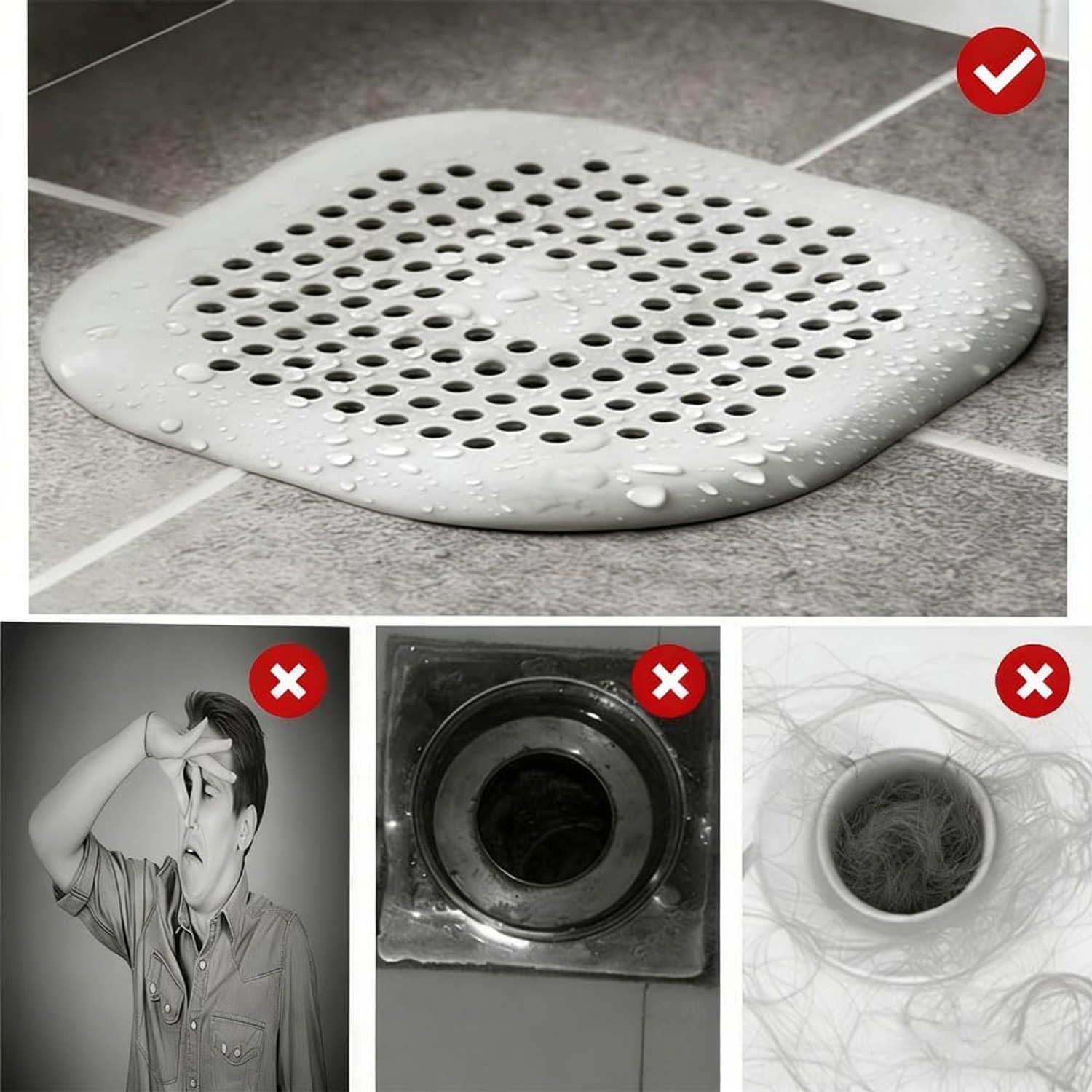
A blocked shower drain never happens overnight. It happens over weeks, quietly, while you are busy doing something else. A few strands of hair catch on the grate. Conditioner and soap stick to them. Then more hair arrives, and the little knot in the pipe turns into a grey mat that traps everything behind it.
By the time you notice, the water is sitting around your ankles and the room smells faintly of damp. Now you are either poking at the drain with a bent coat hanger or paying someone to do it for you.
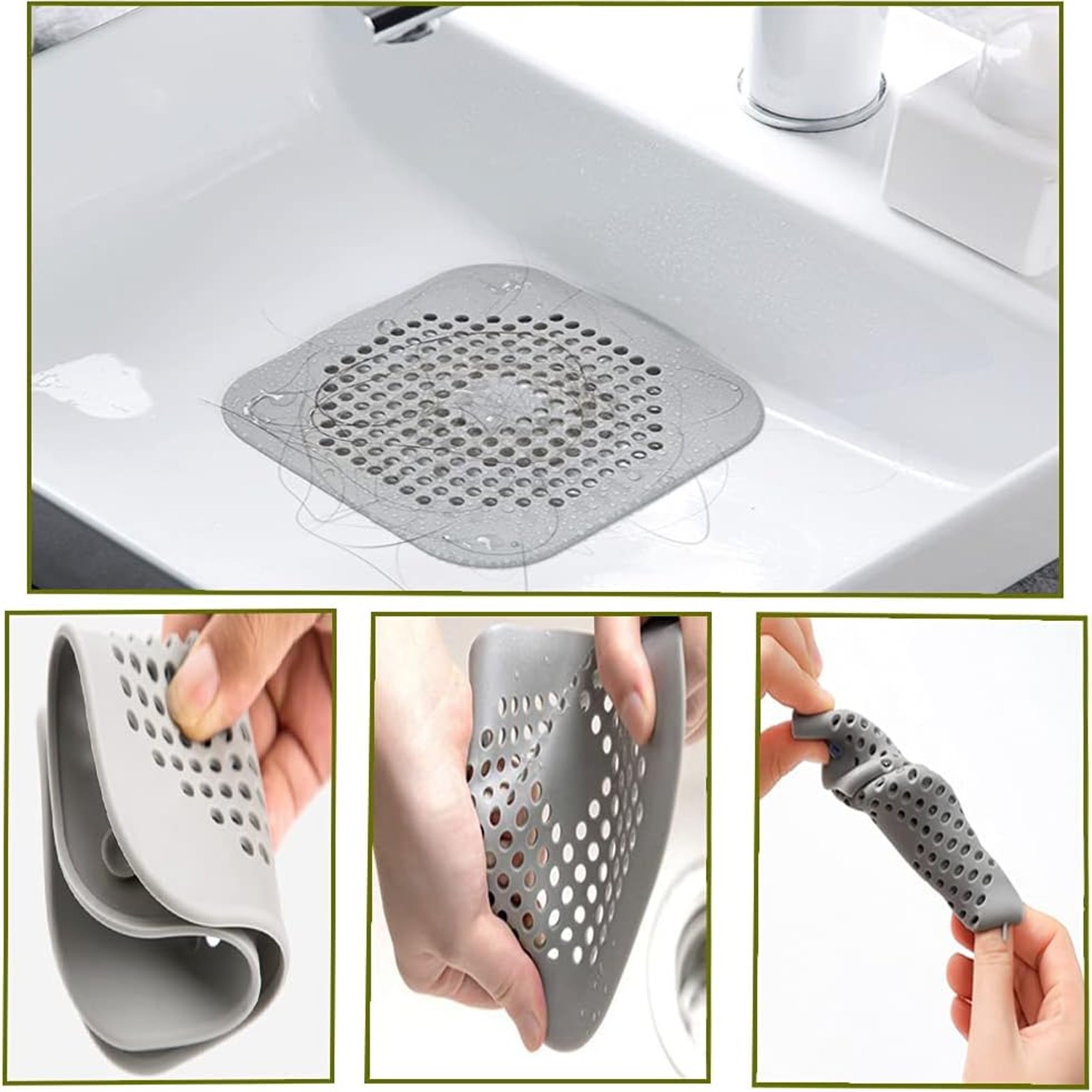
The frustrating part is how easily it is prevented. Almost all of that build-up comes from one thing, hair, and hair is wide and stringy and very easy to stop at the surface. A silicone shower hair catcher does exactly that. It is one of the cheapest pieces of plumbing maintenance you can buy, and it works the whole time it is sitting there.
How a silicone drain strainer works
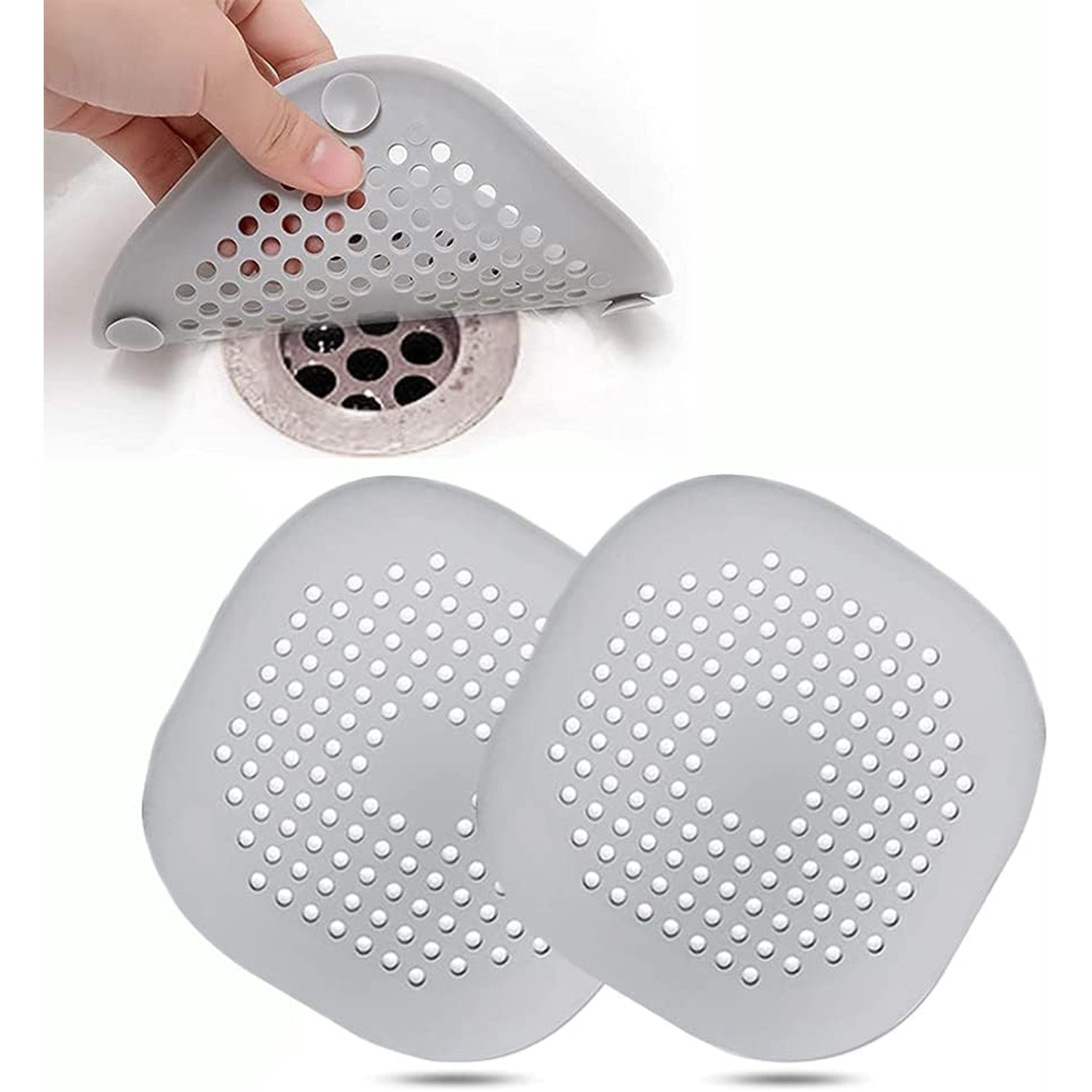
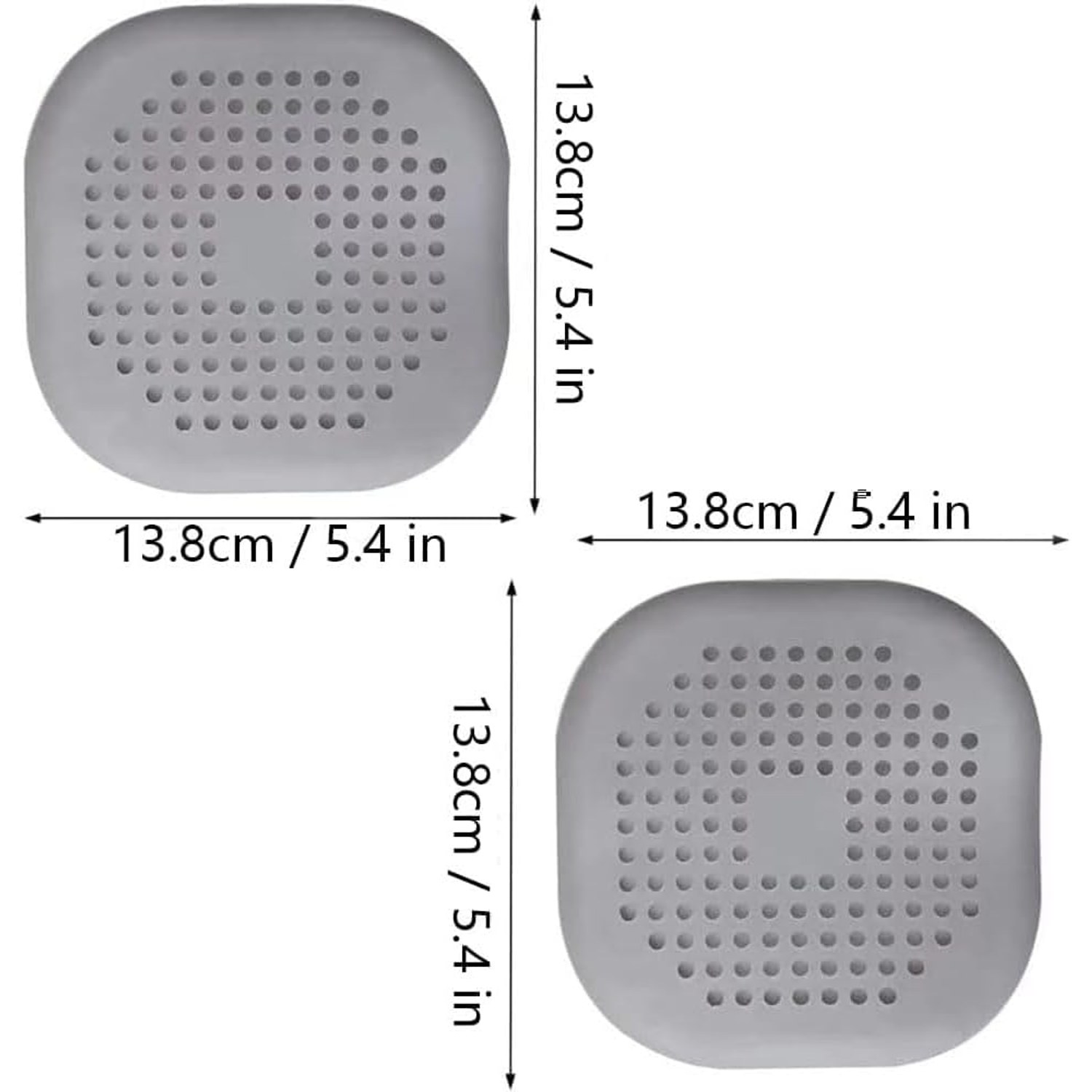
The idea is simple enough that it barely needs explaining. A flat silicone disc, 13.8 cm across in this case, sits over the top of your drain. The face of the disc is perforated with holes. Water goes through the holes. Hair, lint, soap chunks and anything else too wide to pass stays on top.
What makes the difference between a good cover and an annoying one is whether it stays where you put it. Drop a plain disc onto a wet shower floor and the first strong rush of water will nudge it sideways. Then your foot catches the edge, and now it is halfway across the tiles with hair still stuck to it.
This design handles that with four suction cups moulded into the underside of each cover. Press it down onto a clean, smooth, slightly wet surface and the cups seal. The cover holds position through water flow and foot traffic, but a fingertip under one edge breaks the seal when you want to lift it.
That one detail is worth paying attention to when you are shopping. A suction cup drain cover and a loose drain cover look nearly identical in photos and behave very differently in a real bathroom.
Does it fit your drain?
This is the only question you really need to answer before buying, and it takes less time than reading this paragraph.
Each cover is 13.8 cm square, which is about 5.4 inches. The compatible groove diameter listed is also 13.8 cm. In plain terms, your drain opening or grate needs to be smaller than that, because the cover has to overlap the hole and rest on the flat surface around it. If your grate is 10 cm across, you have a comfortable margin. If it is 15 cm, this is the wrong size and you should look for something larger.
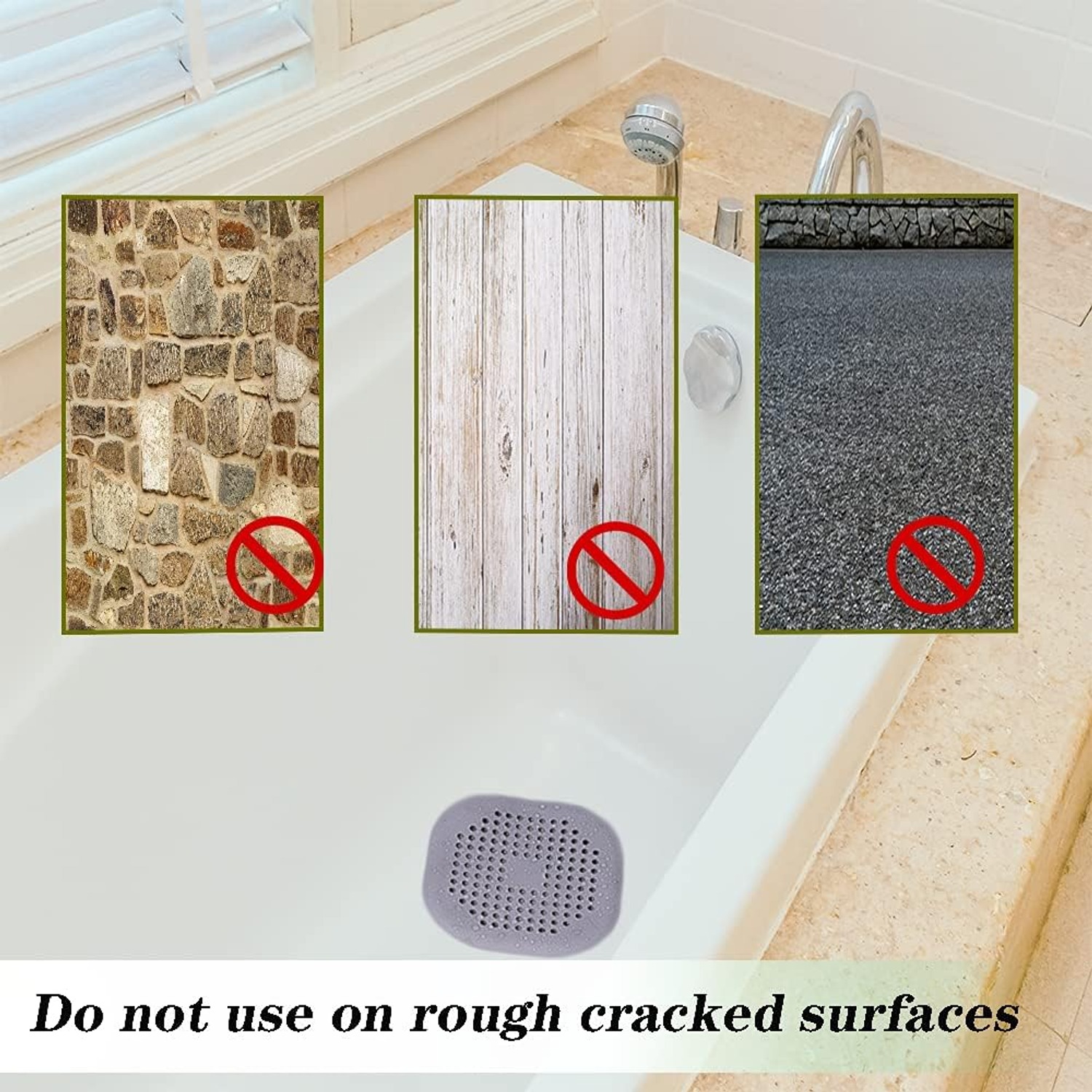
Grab a tape measure and check the widest point of the opening. Also check that there is a reasonably flat, smooth area around it where the suction cups can sit. A drain set into the middle of a heavily textured anti-slip tile will not give the cups anything to grip.
Which surfaces work and which do not
Suction needs a smooth, non-porous surface. These are the ones that work well:
- Glazed ceramic and porcelain tile
- Enamel bathtubs
- Acrylic shower bases
- Glass shower floors
- Stainless steel sinks
These are the ones that give trouble:
- Matte or honed stone tile
- Textured anti-slip flooring
- Mosaic tile with lots of grout lines under the cover
- Rough or pitted old enamel
If your floor falls into the second group, the cover will still lie over the drain and still catch hair. It just will not be anchored, so it may drift. Some people get around this by positioning it where the floor slopes in slightly, which helps hold it in place.
Who gets the most out of it
Anyone with long hair in the house, obviously. One person with hair past their shoulders can shed enough in a month to noticeably slow a drain. Two of them and the clock runs faster.
Renters are another group worth mentioning. If you are responsible for keeping the plumbing clear and you would rather not be billed for a plumber's visit when you move out, a cheap drain hair stopper is sensible insurance.
Share houses benefit too, mostly because nobody wants to be the one clearing somebody else's hair out of a pipe. A visible cover makes the job obvious and quick, so it tends to get done.
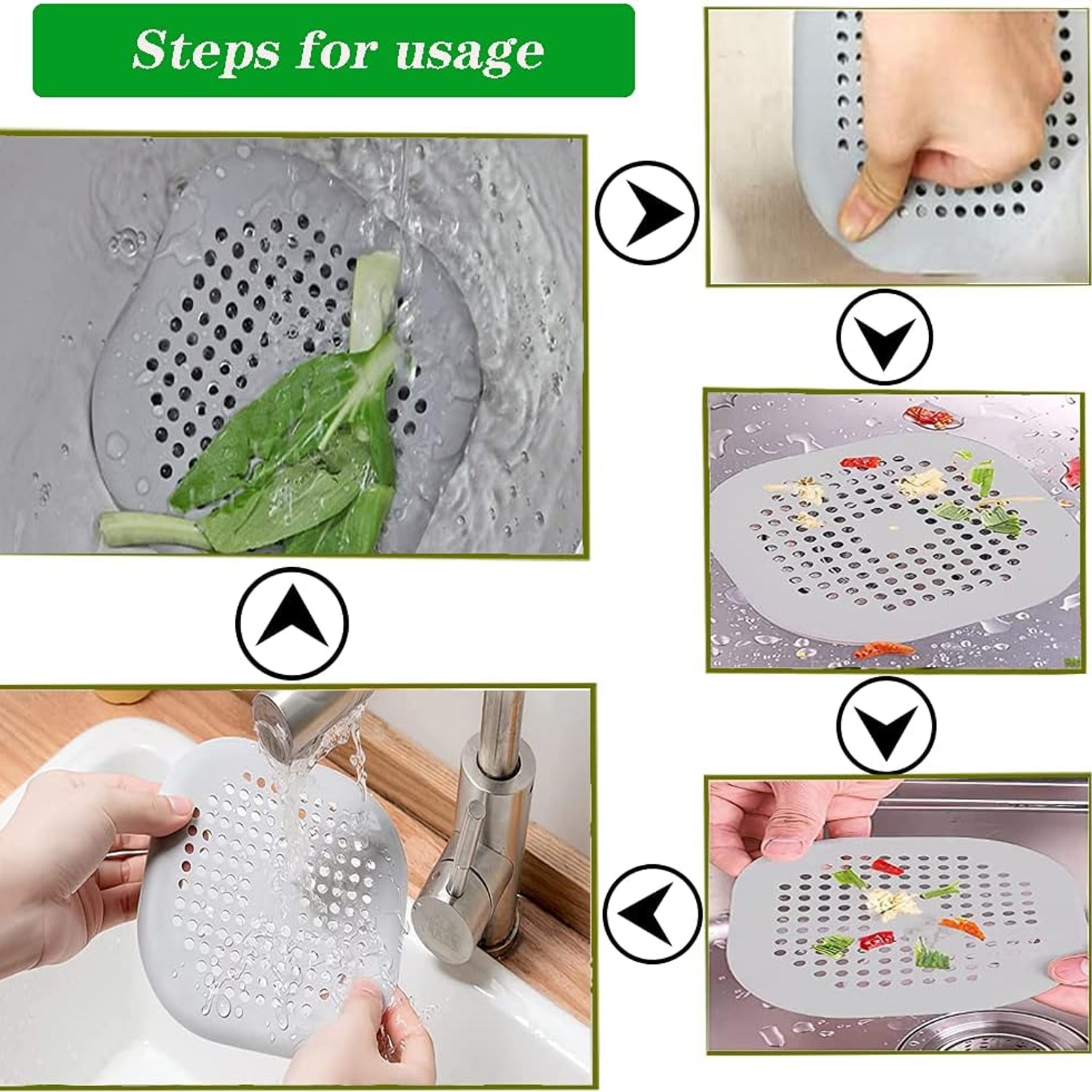
And then there are kitchens. The same perforated silicone works as a kitchen sink strainer, catching rice, tea leaves, peelings and the bits that slip past when you rinse a plate. The pack of two makes it easy to run one in each room.
Getting it set up
Start with a clean drain. If the pipe is already partly blocked, clear it first, otherwise you are just putting a lid on an existing problem. A cover prevents build-up, it does not dissolve it.
Wipe the area around the drain so there is no soap film or grit. Wet the suction cups slightly, position the cover centrally over the opening, then press down on each cup in turn. You should feel it grab. Give the cover a gentle sideways nudge to check.
If it releases easily, the surface probably is not smooth enough or there is still residue in the way. Clean again and retry before deciding it does not suit the floor.
Keeping it clean
This is where a lot of drain accessories fall down, because cleaning them is unpleasant enough that people stop bothering. Silicone makes it much easier.
Lift the cover from one edge. Hold it over the bin and flex it, and the hair mat usually drops straight off. Rinse both faces under the tap. Press it back down. The whole thing takes about five seconds and you can do it with wet hands straight after a shower.
Every week or two, give it a proper wash with warm soapy water and a soft brush to clear soap film from inside the holes. That is what keeps drainage fast. Avoid bleach and solvents, which can stiffen silicone over time, and skip abrasive pads that scratch the smooth finish.
One small habit helps a lot: lift the cover and leave it propped up occasionally so the underside and the floor beneath it can dry. Trapped moisture under any flat object in a shower is where mould starts.
Comparing the common options
Metal mesh strainers last well but rust at the joins eventually, and they slide around because they have no grip. They can also scratch an enamel bath.
Plastic dome strainers sit proud of the floor, which some people trip on. The plastic tends to go brittle and yellow after a year or two of hot water.
Adhesive drain filters stick down properly but leave residue when removed, and the disposable versions mean buying refills forever.
Silicone suction covers like this one sit flat, grip without adhesive, flex for easy emptying and rinse clean. The trade-off is that the suction depends on having a smooth surface, so they are not universal.
None of these is perfect for every bathroom. The right choice usually comes down to your floor finish and how often you are realistically going to clean the thing.
The short version
If your drain opening measures under 13.8 cm and the floor around it is smooth, this two-pack does the job with very little fuss. Two grey silicone covers, four suction cups each, open drainage holes, and a lift-and-rinse routine that takes seconds.
It will not clear a blockage you already have. It will stop the next one forming, which is the better deal by a long way.
Measure first, clear the drain, press it down, and then mostly forget about it apart from the occasional rinse. That is the whole system.