
The complete guide
Drain Hose Mounting Elbow Buyer's Guide, How to Stop a Laundry Hose Escaping
The puddle problem nobody warns you about
Ask around and you will find most people have walked into a laundry at least once to find a slick of grey water across the floor. The instinct is to assume something has broken. Usually nothing has. The drain hose simply lifted out of the sink partway through the cycle and emptied the machine onto the tiles instead.
It happens because of how drain hoses are built. They need to flex so they can bend behind a machine, run along a skirting board and reach a drain point that might be a metre away. That flexibility is useful everywhere except the last twenty centimetres, where you actually want the hose to be stiff and stay put. Hook a bare hose end over the lip of a laundry tub and it has no shape holding it there. When the pump fires and a surge of water hits the bend, the hose jerks. One good jerk and it is out.
A drain hose mounting elbow fixes that by replacing floppiness with structure right where you need it.
What the part actually does
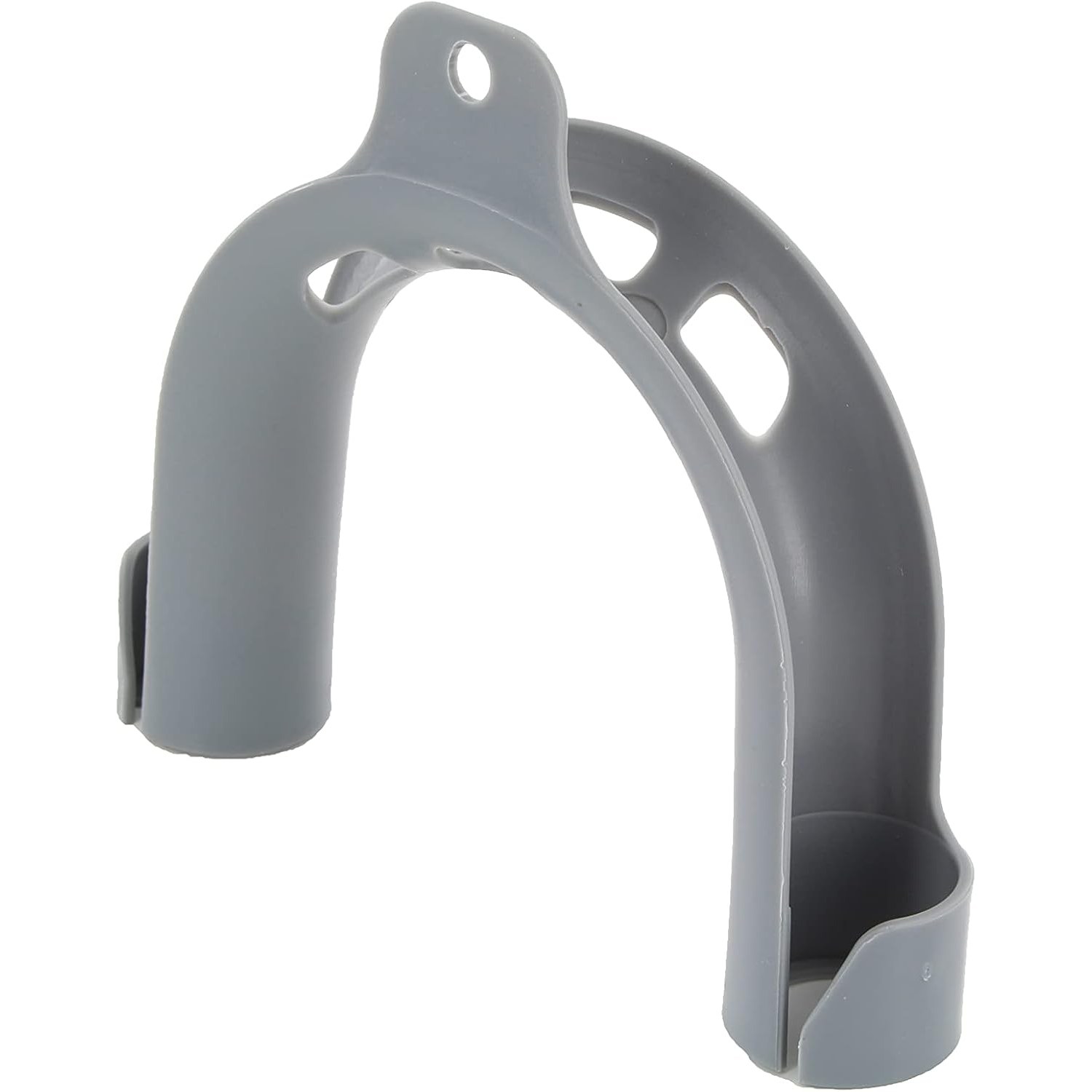
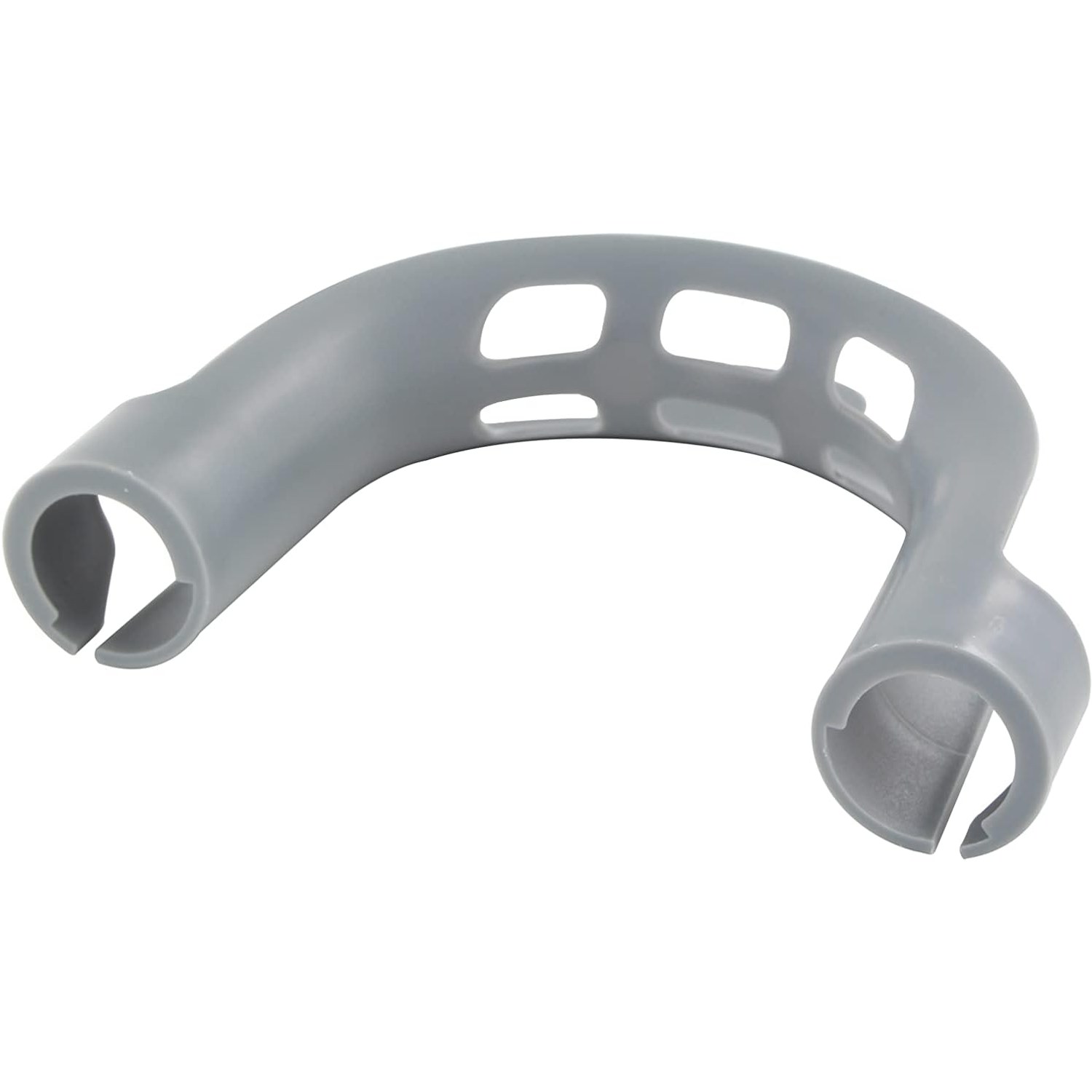
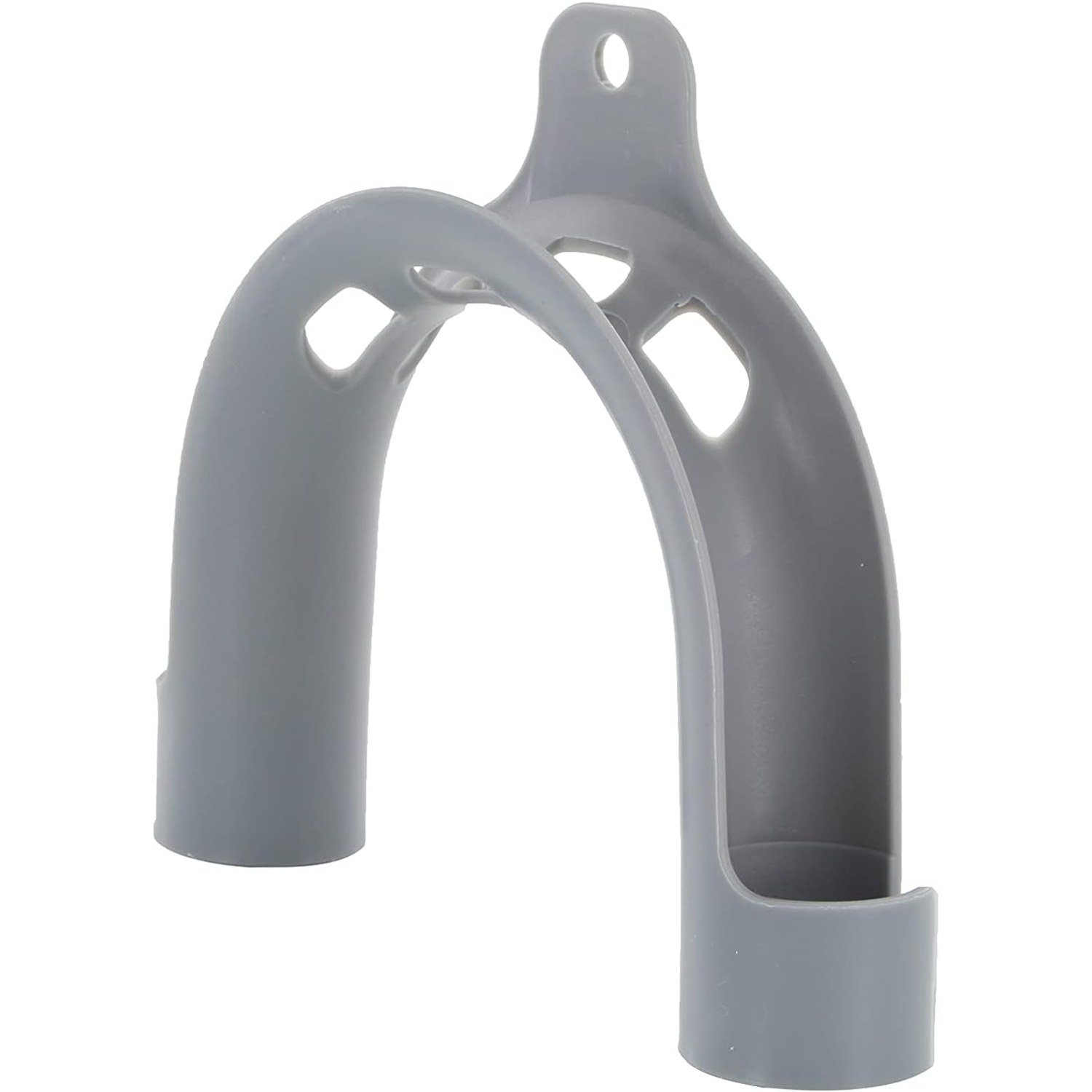
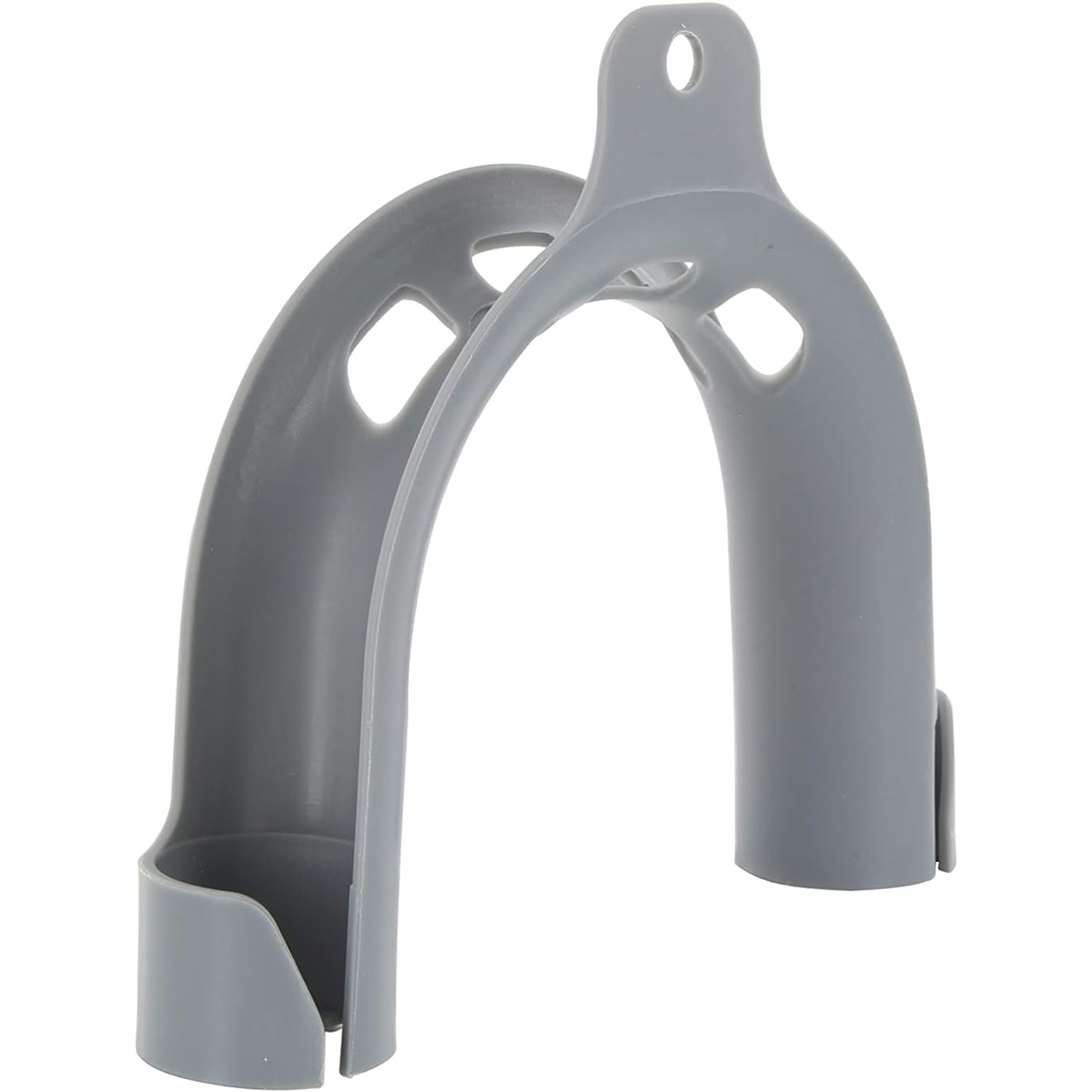
The elbow is a moulded plastic bend, curved through 180 degrees so it doubles back on itself. The hose end pushes into one side. The curve then hooks over the rim of a sink, laundry tub or standpipe, with the open end pointing down into the drain.
Three things change the moment it is fitted. First, the hose can no longer straighten itself out, so it cannot slide off the rim under its own spring. Second, the water leaving the machine passes through a smooth, held curve instead of a random fold, so there is no pinch point squeezing the flow. Third, you get a repeatable position. Every wash, the hose sits exactly where you last left it, at the same height, pointing the same way.
That last point matters more than it sounds. Appliance manuals specify a drain height range for a reason. Too low and the machine can siphon, quietly draining itself while it is meant to be filling. Too high and the pump has to work harder than it was designed to. A guide bend lets you set the height once and stop thinking about it.
Why PVC rather than metal
This particular elbow is made from polyvinyl chloride, which is the standard choice for laundry hardware. The reason is simple. Appliance wastewater is warm, full of detergent and often carrying lint and fine grit. Metal in that environment picks up corrosion, leaves rust marks on a white sink and eventually weakens where it is bent.
Plastic does none of that. It does not oxidise, it does not stain porcelain and it holds its moulded shape without fatiguing the way repeatedly bent wire does. It is also extremely light. This elbow weighs about ten grams, which means it adds no real load to the hose and puts no strain on the connection at the back of the machine.
People sometimes improvise with a coat hanger or a cable tie. Those work for a week. The coat hanger rusts, the cable tie slips, and you are back to mopping. A purpose moulded PVC drain hose elbow is a few pounds or dollars for a part that stays put for years.
Who this suits
If your machine drains into a laundry tub, a kitchen sink or an open standpipe, this is the part for you. That covers a huge number of homes, especially rentals, apartments and older houses where there is no dedicated plumbed waste connection behind the appliance.
It is also worth having if your machine moves. People who pull a washing machine out to clean behind it, or who use a portable machine that gets wheeled to the sink, will reconnect the hose dozens of times. A fixed elbow makes that a one second job rather than a fiddle.
Dishwashers are covered too. The listed uses include both washing machines and dishwashers, and many dishwashers drain into the same sink arrangement. If you have both appliances sharing a laundry tub, buy two. The pack contains a single elbow.
The one group who may not need it are households with a proper plumbed standpipe where the hose is already clamped at the correct height by a bracket fitted to the wall. If that is already working, leave it alone.
Checking fit before you order
Drain hoses are reasonably standardised, which is why universal guide bends exist at all. Even so, a two minute check saves a return.
Pull your hose end out and measure the outside diameter. Most domestic machines sit in a narrow band, and a universal elbow is designed to cover that band. If yours is unusually wide or narrow, note that down and ask before you buy.
Next, look at your drain point. Measure the thickness of the rim the hose has to hook over, and the depth from that rim down to where you want the water to land. A standard sink rim is thin and easy. A deep concrete laundry tub with a thick lip may need you to position the elbow slightly differently.
Finally, check you have hose to spare. Adding a curve uses up a few centimetres of straight reach. If your hose is already stretched tight to reach the sink, fitting an elbow may leave it short. In that case you need an extension first.
Fitting it
Unplug the appliance at the wall. There is no electrical work here, but it is the right habit when you are moving an appliance hose around.
Lift the hose out of the drain and give the end a wipe. Push the elbow on, working it round gently rather than forcing it straight on, until it seats. Then hook the assembly over the sink rim or lower it into the standpipe.
Check the height against your appliance manual. If you are using a standpipe, make sure the hose end does not jam in so tightly that it seals the pipe, because that invites siphoning. You want air able to get past.
Run a short rinse or spin cycle and stand there for the first minute. You are watching for two things, water going cleanly down the drain and the elbow staying hooked when the pump surges. If both look right, you are done.
Keeping it working
Maintenance is close to nothing. Every few months, lift the hose out and wipe the elbow with a damp cloth and a little washing up liquid. Lint and detergent film collect around the opening and can start to narrow the outlet if left for a year or two. Rinse it off and put it back.
Avoid bleach, solvents and scouring pads. All three can mark or weaken plastic over time, and none of them are necessary for the kind of soap residue you will find.
While you have it off, give the hose a quick check too. Look for splits near the elbow, stiffness that suggests the rubber is going hard, and any flat spot that is not springing back. A hose that is starting to fail is cheaper to replace before it bursts than after.
The short version
A drain hose mounting elbow is one of those parts that costs very little and quietly removes a recurring annoyance. It gives the free end of your appliance hose a fixed 180 degree shape, hooks it securely over a sink, tub or standpipe, and keeps the water going where it is supposed to go.
This one is a DL-pro part, a single grey PVC elbow, 30 centimetres long and weighing about ten grams, made in Germany and described as universally suitable for drain hoses across many appliance brands. It fits by hand with no tools, works on washing machines and dishwashers alike, and comes off just as easily if you change machines.
If you have ever mopped up after a hose that escaped, it will pay for itself the first time it holds.