
The complete guide
Choosing a Balcony Drain Leaf Guard That Actually Keeps Water Moving
The problem nobody notices until it rains
Most outdoor drains work perfectly for a year or two, then quietly stop. Nothing dramatic happens. A handful of leaves blow across the balcony, rain pushes them to the lowest corner, and they slip into the outlet. The next lot of leaves lands on top of those. Add some potting mix, a few flower petals and the grit that comes off shoes, and the pipe below is now half packed with wet mulch.
You find out the next time it rains hard. Water sits where it should drain. It creeps towards the door threshold. On a flat roof it pools in the middle and sits there for days, which is how leaks start.
A drain guard is a cheap answer to an expensive problem. It puts a stainless steel screen over the opening so debris stops at the surface, where you can see it and sweep it away, instead of disappearing into a pipe you cannot reach.
How this one works
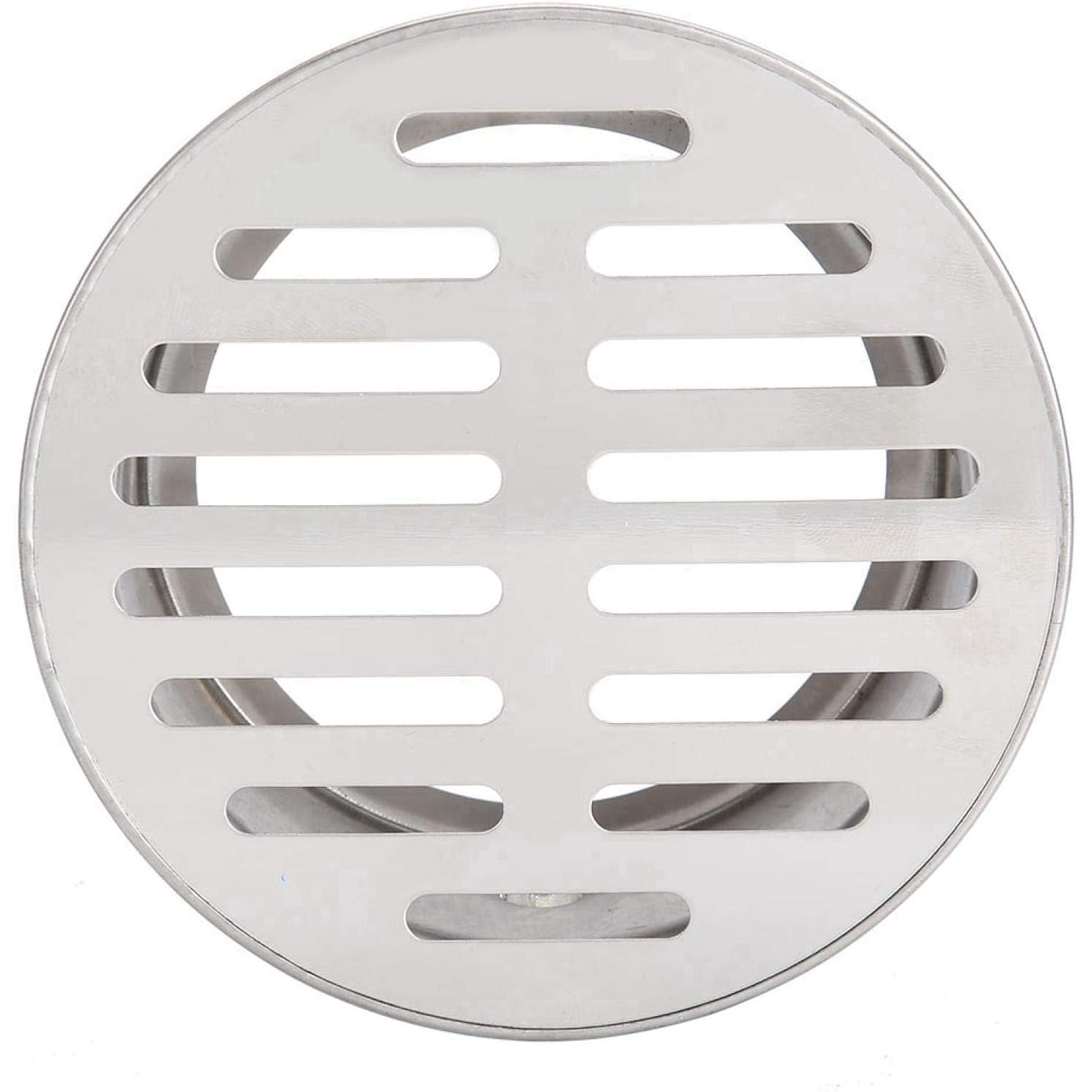
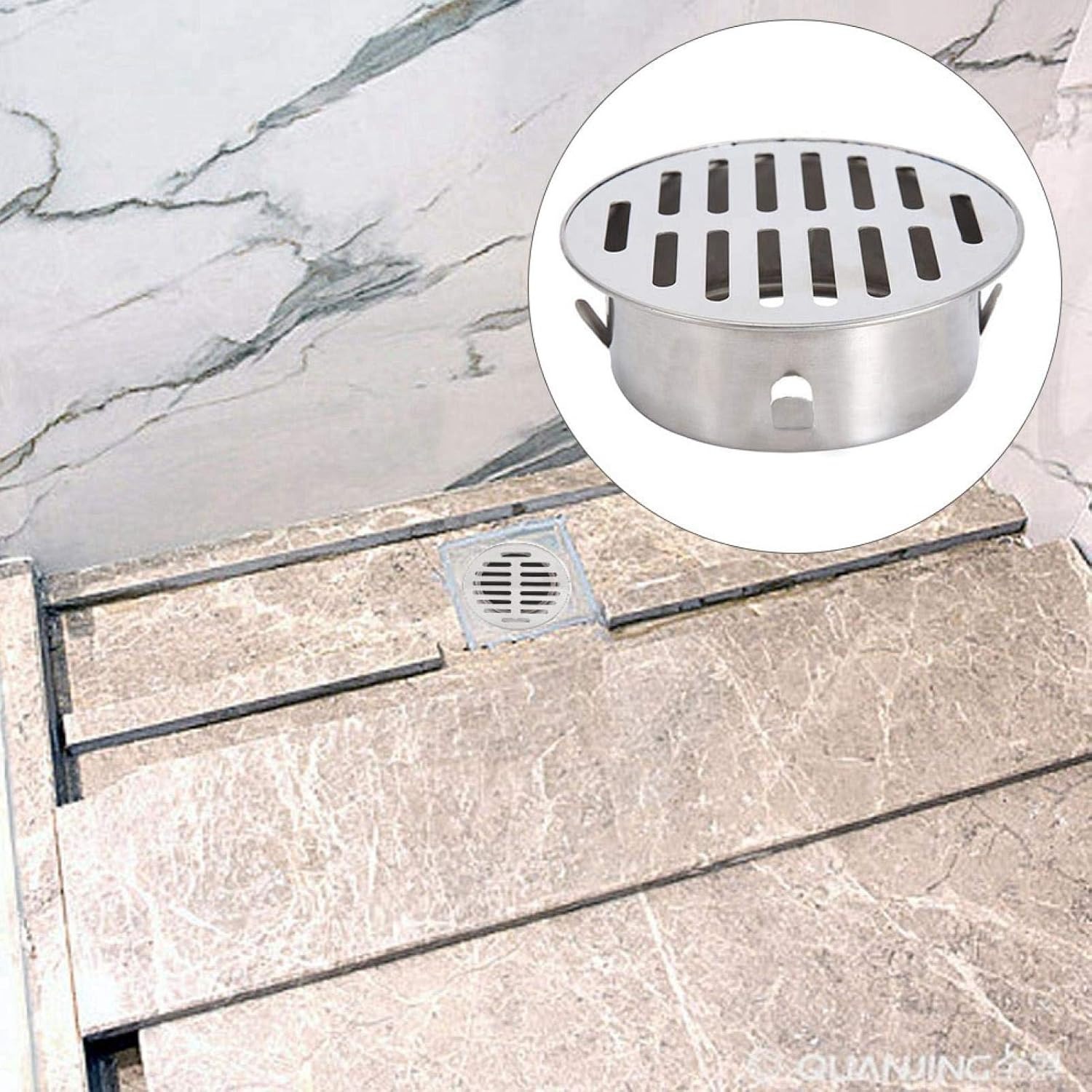
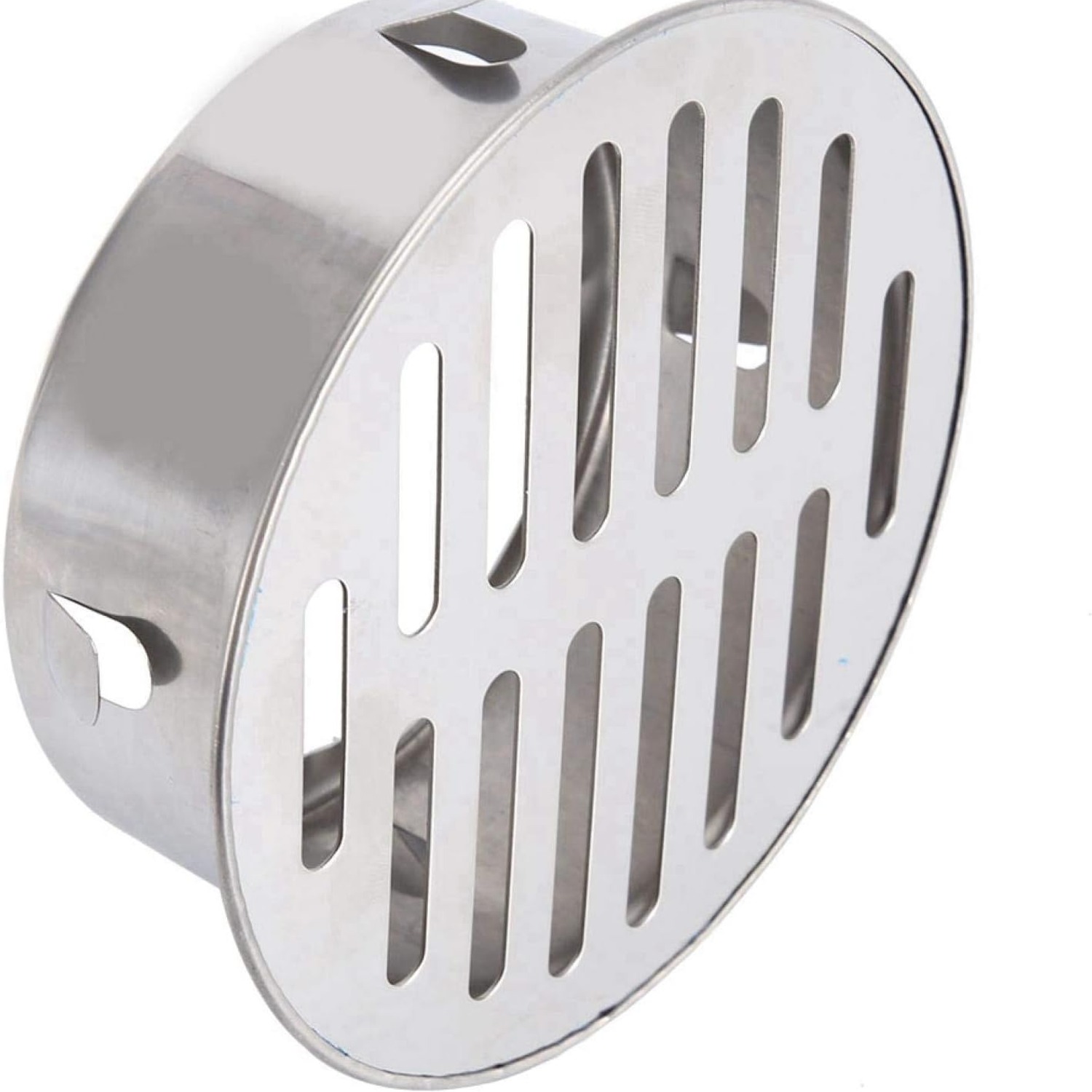
The design is about as simple as drainage hardware gets. The guard is a stainless steel screen with a clamp built into it. You adjust the angle of the clamp, push the guard into the drain groove, and the clamp spreads against the inside wall to hold it there. No screws, no sealant, no plumber.
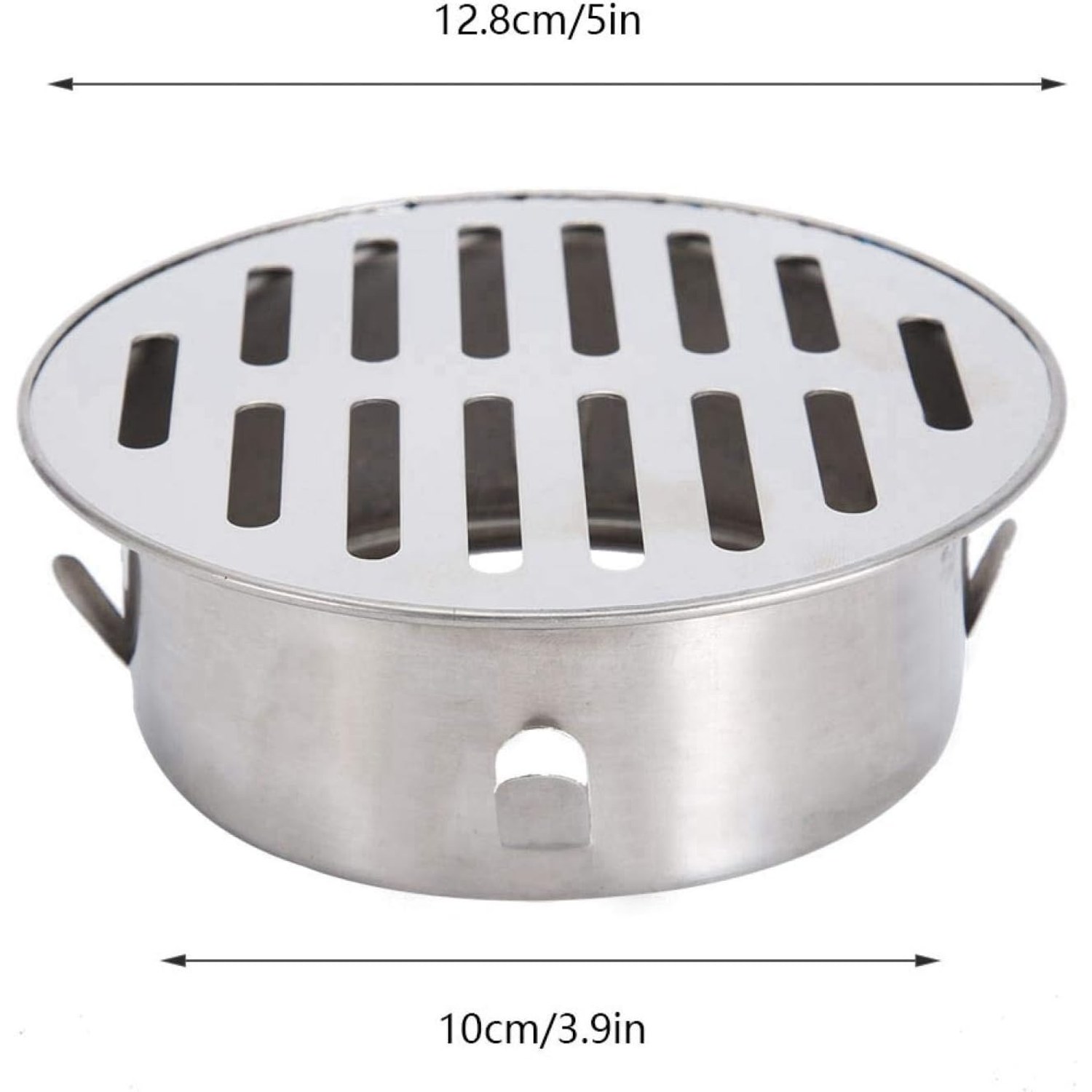
This version is sized for a groove diameter of 12.8 centimetres. That is the single most important number on the page. Drain openings are not standardised across countries or builders, so the fit is the thing to check first and check carefully. If your groove measures 12.8 centimetres across, this clamps in. If it measures noticeably more or less, the clamp either rattles or will not seat.
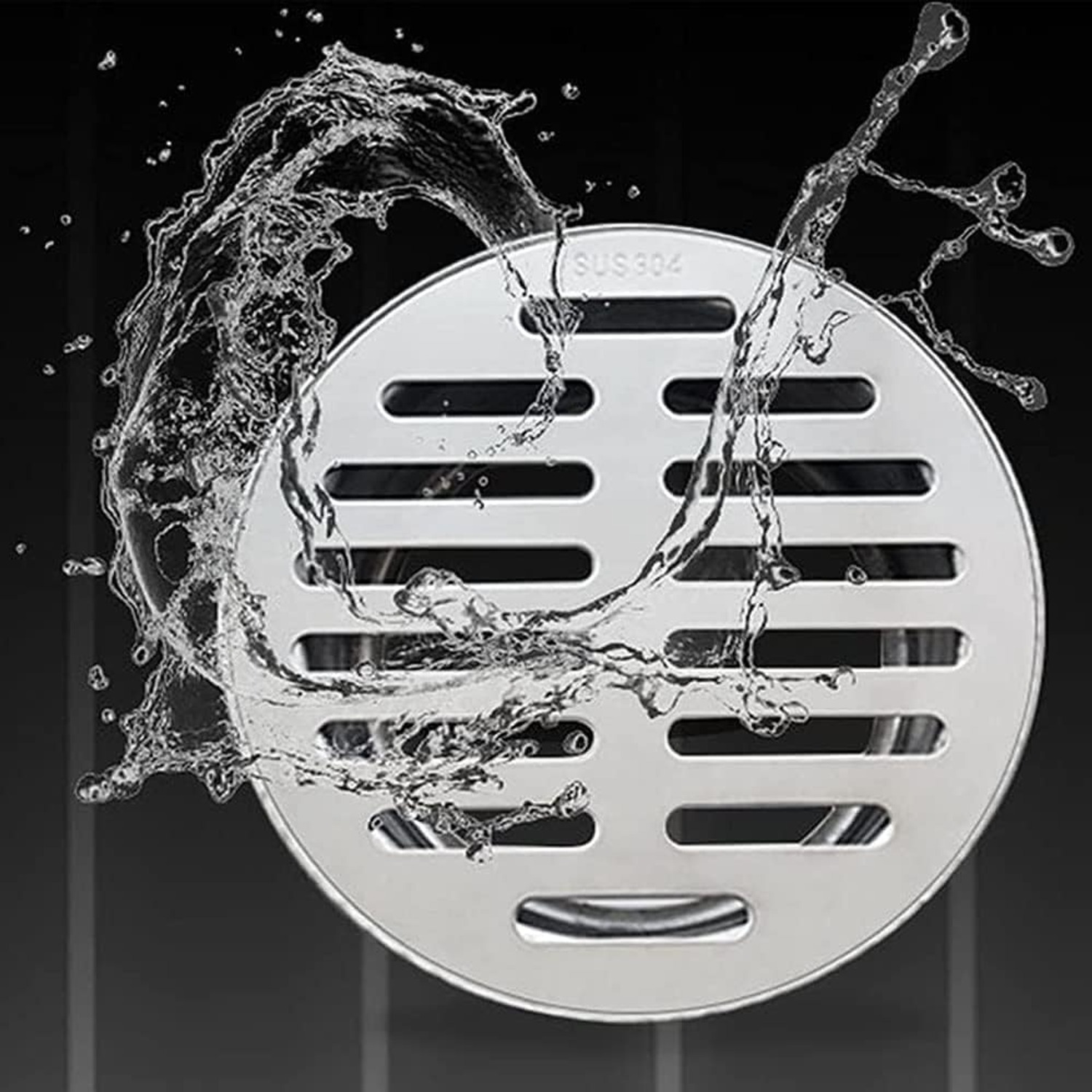
The material is stainless steel with a polished finish. Outdoors, that choice matters more than it does inside. An outdoor drain cover is wet most of its life and it sits in a spot where water carries salt, soil and whatever runs off the roof. Plain steel rusts through that. Stainless steel holds up, which is why it is the normal pick for a roof drain strainer or any outdoor floor drain guard.
The whole piece weighs 15 grams. That is light enough to lift out with two fingers, which is deliberate. The easier a thing is to clean, the more likely you are to clean it.
Who it suits
If you have any of these, it is worth considering.
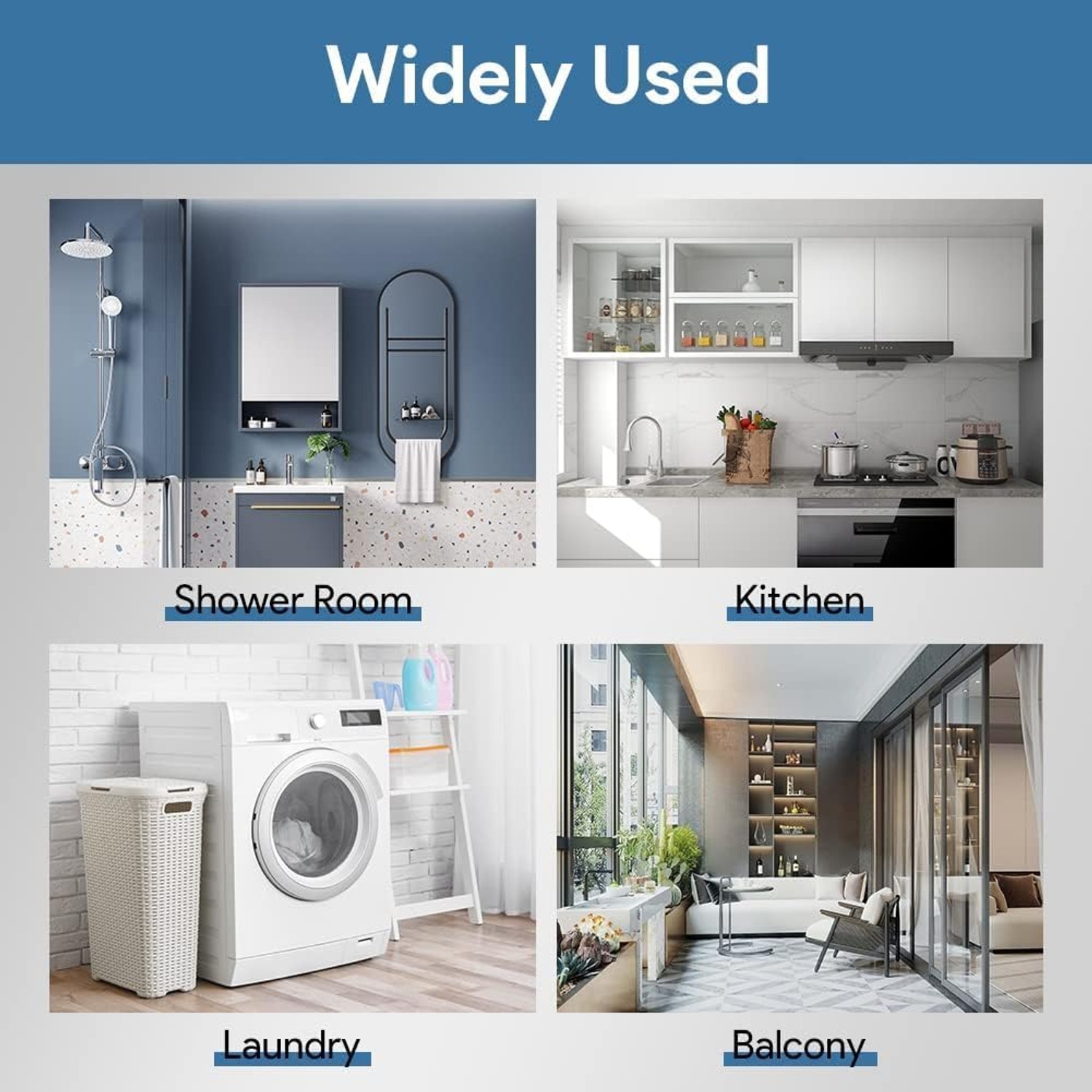
A balcony with trees nearby. Leaves are the classic cause, and a balcony floor drain screen catches them before they go anywhere.
A flat roof with an outlet you can reach but rarely look at. Roof outlets are the worst offenders because they are out of sight. A rooftop drain protector makes the annual check a two-minute job.
A courtyard or terrace where pot plants live. Potting mix and dead flower heads wash towards the drain every time you water. A terrace drain filter stops that silt build-up.
A ground-floor drain where rodents are a concern. A screened cover is a physical barrier over an open hole. It will not solve an infestation on its own, but an open drain is an invitation and a covered one is not.
It is less suited to drains with unusual shapes, drains with fixed grates bolted in place, or openings that are far off the 12.8 centimetre groove measurement.
How to choose the right one
Start with the tape measure. Clear any loose cover, then measure across the inside of the circular groove where a cover would sit. Not the outer tile cut-out, not the pipe below. The groove. Write the number down.
Then look at what lands on your floor. Fine grit and silt need a tighter screen. Big leaves are easy to catch with almost anything. If your main problem is sycamore or plane leaves, nearly any guard helps. If it is pine needles or soil wash, expect to clean more often regardless of which cover you fit.
Think about how exposed the spot is. A sheltered inner courtyard is gentle. An exposed rooftop in a coastal town is not. Stainless steel is the sensible baseline for the harsh end of that range.
Consider how many you need. One drain, one guard. Most people with a balcony have a single outlet, but roofs and larger terraces often have two or three, and the whole system is only as clear as its worst-blocked point.
Finally, be honest about access. If the drain is somewhere you can reach easily, a removable screen is ideal. If it is somewhere awkward, you still want the screen, you just want to put a calendar reminder next to it.
Fitting it
Clear the drain first. There is no point covering a pipe that is already half full. Scoop out what you can reach and run a hose down it if possible.
Wipe the groove so the clamp has a clean surface to grip. Grit under a clamp is the usual reason a guard works loose.
Adjust the clamp angle, push the guard into the groove, and feel for resistance. It should sit level and not rock when you press one edge. If it wobbles, lift it, adjust the clamp a little wider, and try again.
Then test it. Pour a bucket of water across the floor and watch. Water should drain away without pooling at the screen. If it backs up, the pipe below needs attention before the cover can do its job.
Keeping it working
This is the part that decides whether the guard was worth buying. The cover does not remove maintenance. It relocates it, from an unpleasant job with a drain rod to a quick lift-and-tip.
Every few weeks, pull the screen, tip the debris into the bin and drop the screen back. During autumn, make it weekly. After a storm, check it the same day, because a single gust can dump enough leaf litter to seal a screen completely.
Every month or two, give it a proper clean. Rinse it under running water and use a soft brush with a little mild detergent if a film has built up. Dry it before refitting, which keeps water spots off the polished finish. Skip steel wool, bleach and scouring powder. Those mark stainless steel and the marks do not come back out.
While the screen is out, glance down the pipe. If you can see standing water that is not moving, the blockage is below the cover and needs clearing separately.
Small details worth knowing
The model number on this one is 110 Bocca Piatta, with the manufacturer part number listed as Nivvityfxgp7ce509-03. The colour field reads "110 X Flat Opening", which describes the style of the opening rather than a paint colour. The finish itself is polished stainless steel.
Country of origin is China. Each pack contains one guard, so order per drain. Overall external dimensions are not listed by the maker, which is why the groove measurement is the number to work from.
No warranty terms are stated for this item. Standard returns still apply if something arrives damaged or the fit is wrong, so keep the packaging until you have tested it in place.
The short version
An outdoor drain fails slowly and then all at once. A stainless steel screen over the opening stops that, because leaves and grit never get past the floor level where you can deal with them.
Measure your drain groove first. If it reads 12.8 centimetres, this clamps in by hand in under a minute, with no tools and nothing permanent. Stainless steel handles the weather. The light weight makes cleaning easy, and easy cleaning is what keeps a drain clear in practice.
Fit it, clear it every few weeks, and the puddle on the balcony stops being a seasonal event.